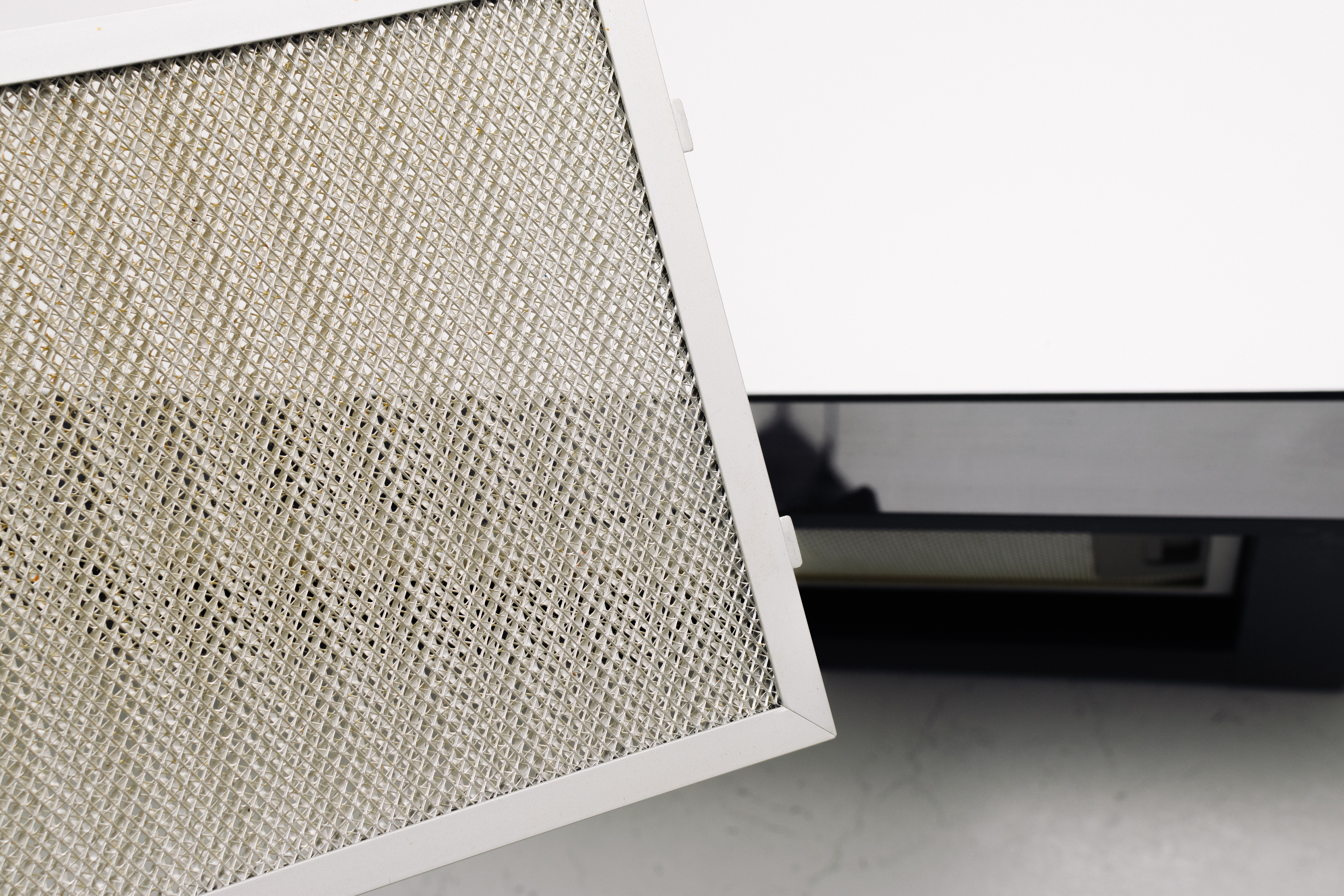
Why Regular Kitchen Exhaust Cleaning Is Critical for Fire Prevention and Compliance
Why Regular Kitchen Exhaust Cleaning Is Critical for Fire Prevention and Compliance
Grease buildup in kitchen exhaust systems is one of the leading causes of restaurant fires—and it grows faster than most operators expect. Ignoring regular kitchen exhaust cleaning puts your business at risk of costly damage and failed NFPA 96 inspections. Learn how keeping your exhaust, hoods, and ducts clean not only reduces fire hazards but also keeps your kitchen AHJ inspection ready and compliant with North Carolina fire codes. For more information on NFPA 96 compliance, visit this guide.
Importance of Kitchen Exhaust Cleaning
Clean kitchen exhaust systems are vital for fire safety and compliance. Let's explore how grease buildup poses risks and the importance of maintaining these systems.
Fire Risks from Grease Accumulation
Grease buildup isn't just a cleaning nuisance. It poses a significant fire risk. As you cook, grease vapor settles in your exhaust ducts. Over time, this accumulation becomes highly flammable. Did you know that grease fires account for a large number of commercial kitchen fires each year? Regular cleaning minimizes this risk, protecting your property and staff.
By keeping your exhaust systems clean, you significantly lower the chances of a fire. Regular maintenance not only removes grease but also helps detect potential hazards early. Most people believe that their kitchen is safe with minimal cleaning. However, thorough and regular cleaning is crucial for safety.
Compliance with NFPA 96 Standards
Staying compliant with NFPA 96 is essential for your business. These guidelines ensure your kitchen operates safely. Failing to comply can result in penalties or worse, an unsafe environment. NFPA 96 outlines the requirements for kitchen exhaust systems to handle grease safely.
Regular cleaning is a part of staying compliant. It's not just about passing inspections; it's about maintaining a safe working environment. For a deeper understanding of these standards, check out this guide.
Role of AHJ and Inspections
The Authority Having Jurisdiction (AHJ) plays a key role in ensuring compliance. They conduct inspections to verify that your kitchen meets fire safety standards. Regular inspections help catch issues before they become problems. Being AHJ-ready means your kitchen is always prepared.
Don't wait for an inspection to clean your systems. Staying proactive can save you stress and money. Knowing your kitchen meets all safety standards gives peace of mind. Most people dread inspections, but they are your ally in maintaining safety.
Services Offered by Steel Mountain Fire & Safety
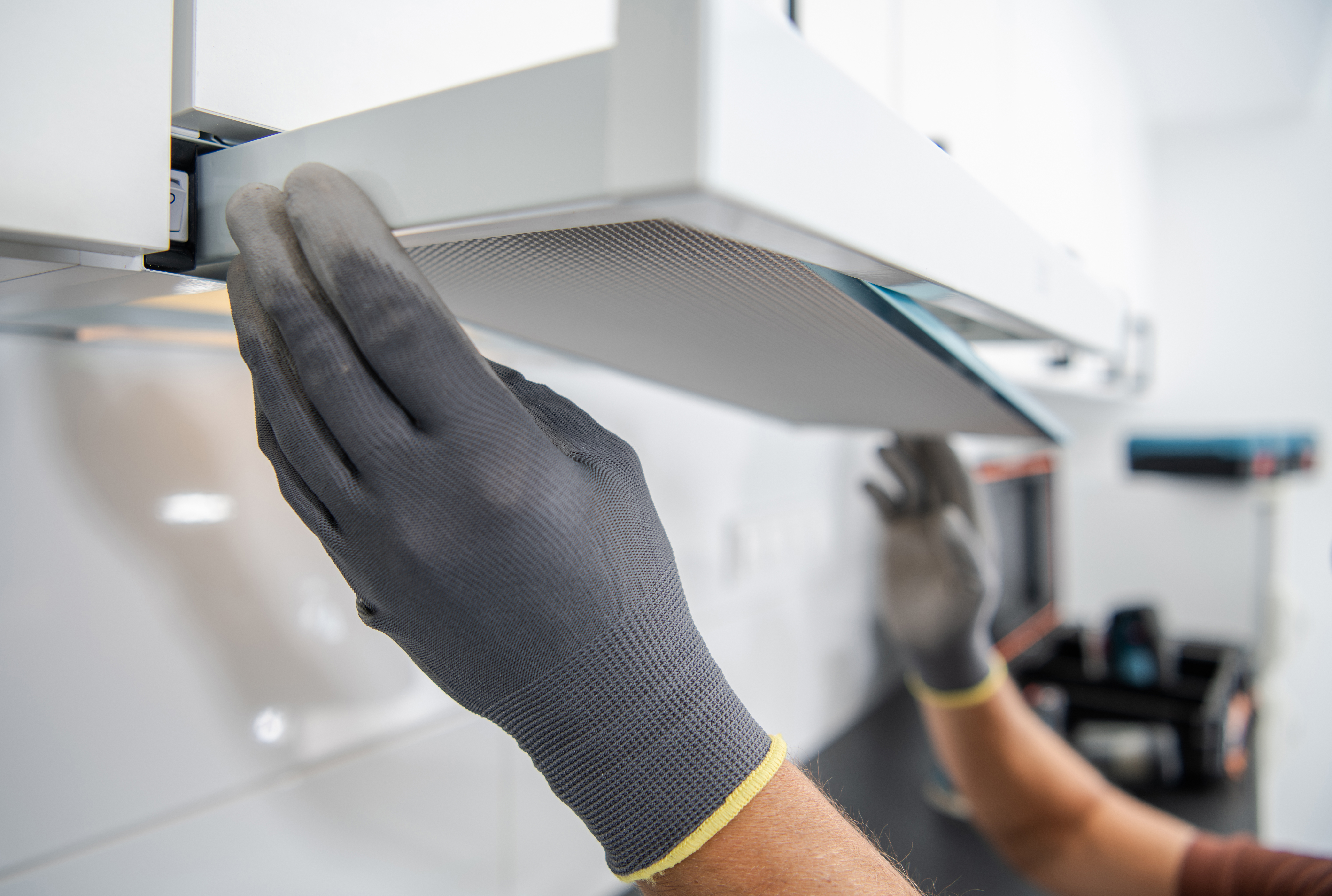
Steel Mountain Fire & Safety provides comprehensive solutions to keep your kitchen safe and compliant. Here's what we offer to help you maintain a secure environment:
Comprehensive Hood and Duct Cleaning
Our team specializes in thorough hood and duct cleaning. This service removes grease and grime, reducing fire risks. Regular cleaning ensures that air flows freely, preventing overheating.
We use industry-standard techniques to clean every part of your exhaust system. Our certified technicians ensure everything is spotless. This service helps avoid costly repairs and downtime. If you're unsure how often to clean, we're here to help you set a schedule that fits your needs.
Grease Containment and Rooftop Protection
Grease doesn't just stay inside your ducts. It can leak onto your roof, causing damage and fire risks. Our grease containment solutions prevent this. We install systems that capture grease, protecting your roof and reducing fire hazards.
These systems are easy to maintain and highly effective. By preventing grease from reaching your roof, you avoid potential damage and expensive repairs. Protecting your roof is just as important as cleaning your ducts.
Fire Suppression and Hood Cleaning Coordination
We offer coordinated services for fire suppression and hood cleaning. This ensures your kitchen is fully protected. Our experts handle everything, from installation to maintenance.
Fire suppression systems are vital for quick response to a fire. Coordinating these services with hood cleaning ensures comprehensive safety. This one-stop solution simplifies maintenance and enhances protection.
Benefits of Regular Maintenance
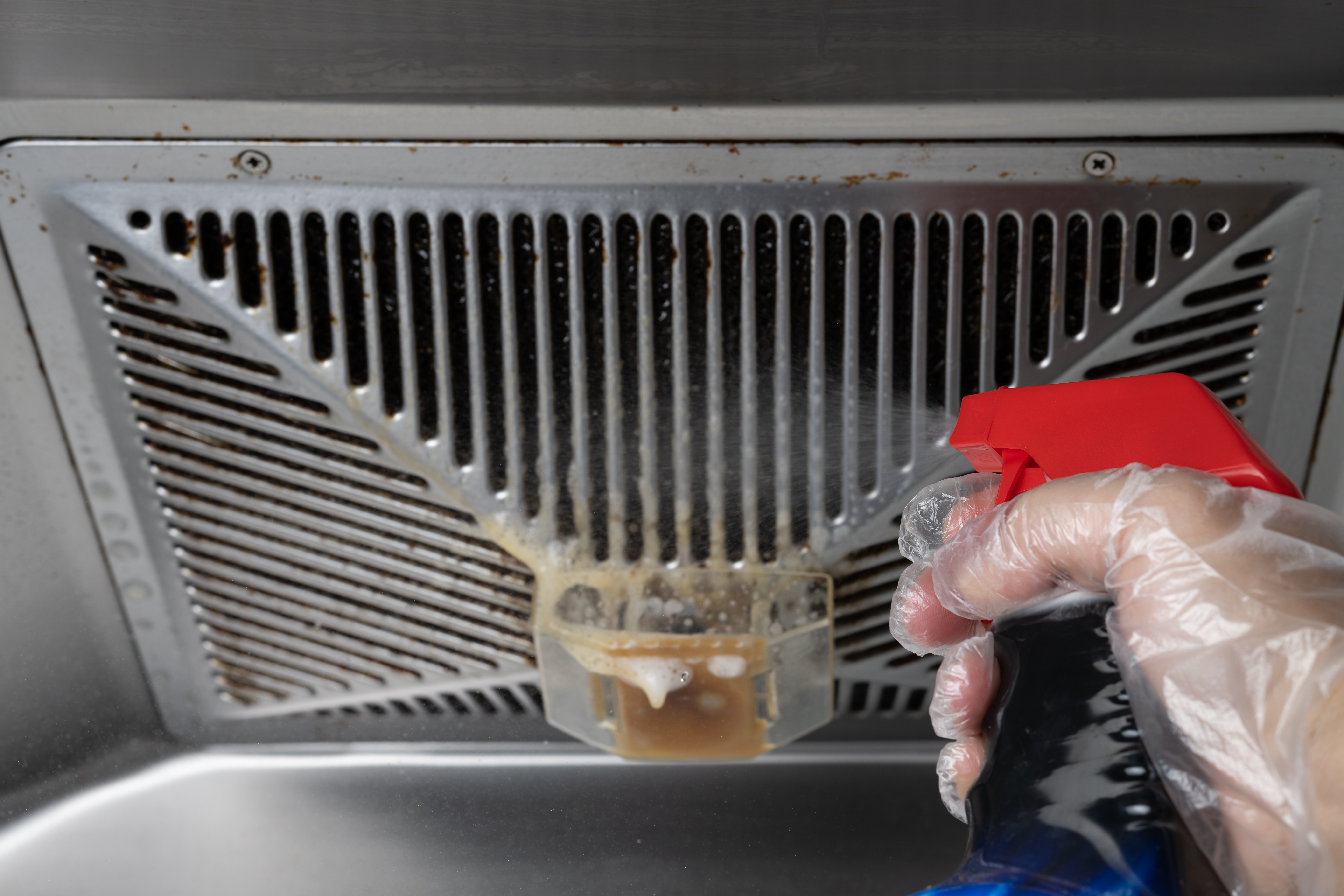
Regular maintenance offers numerous benefits beyond safety. Let's look at how it can improve your kitchen operations:
Reducing Grease Fire Risk
Regular cleaning drastically reduces the risk of grease fires. This proactive approach keeps your kitchen safe. By addressing grease buildup, you minimize fire hazards and ensure a safer environment for everyone.
Most people think fires won't happen to them, but regular maintenance proves otherwise. Consistently clean exhaust systems are less likely to catch fire. This small investment pays off in safety and peace of mind.
Ensuring Restaurant Fire Safety
Safety is paramount in any restaurant. Regular maintenance ensures that your establishment remains fire-safe. Our services keep your kitchen compliant and ready for inspections.
Don't let the fear of fire keep you up at night. With regular cleaning, you stay ahead of potential issues. Your customers and staff will appreciate the safe environment you maintain.
Enhancing Kitchen Ventilation Maintenance
Proper ventilation is crucial for a comfortable kitchen. Clean ducts and hoods improve airflow, making it easier to regulate temperature and odors. This creates a better working environment for your staff.
Enhanced ventilation also means your HVAC system works more efficiently. This reduces energy costs and prolongs the life of your equipment. Regular maintenance isn't just about safety; it's about improving your kitchen's overall functionality.
By staying on top of maintenance, you protect your investment and ensure a safe, efficient kitchen. Regular cleaning and inspections are your best defense against fire risks and compliance issues.
