What a Complete Fire Protection Maintenance Plan Should Include for Businesses
What a Complete Fire Protection Maintenance Plan Should Include for Businesses
Most businesses think a fire protection maintenance plan means ticking a few boxes once a year. That approach leaves gaps that can cost you compliance and safety. A complete fire protection maintenance plan covers everything from fire extinguisher inspections to kitchen fire suppression maintenance, keeping your business audit-ready and protected. Let’s break down the essential components you need to secure your operation and meet NFPA compliance. For more information, check out this resource.
Essential Fire Protection Components
A comprehensive fire protection plan is the backbone of any business's safety strategy. Let's dive into the key components that ensure your business remains protected and compliant.
Fire Extinguisher Inspections
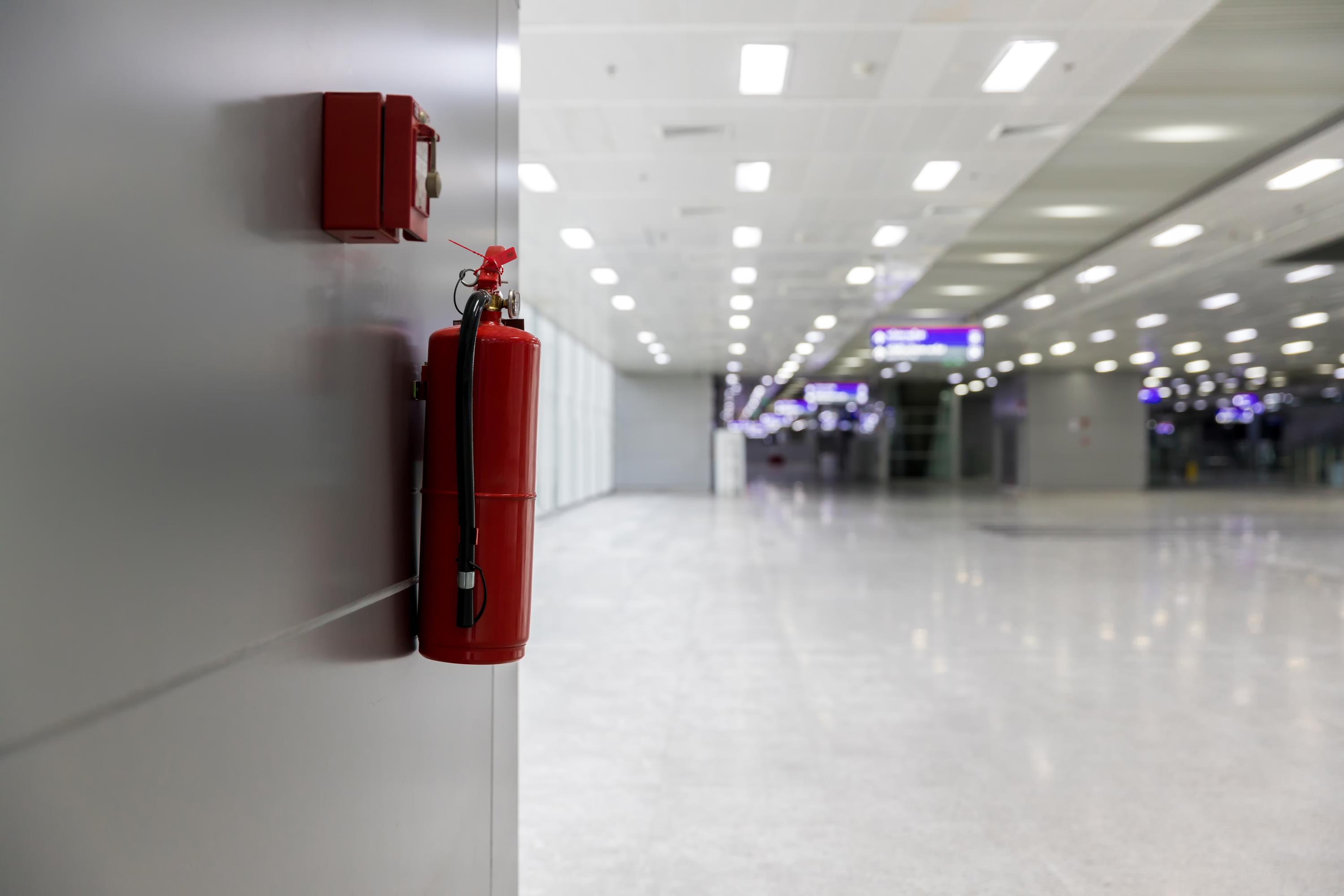
Fire extinguishers are your first line of defense against small fires. Regular inspections are crucial to ensure they work when needed. You should check extinguishers monthly for visible damage, ensure the pressure gauge is in the operable range, and confirm the safety seal is intact. An annual professional inspection is also required by the NFPA. This ensures the extinguisher is fully functional and ready to use.
Kitchen Fire Suppression Maintenance
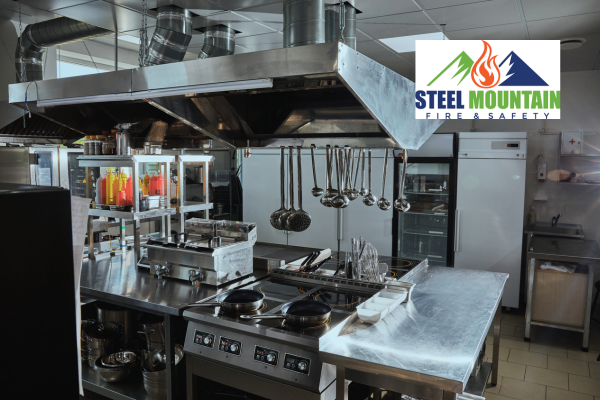
In commercial kitchens, fire suppression systems are vital. They activate automatically to put out fires, minimizing damage. Regular maintenance is essential to keep these systems operational. Bi-annual inspections by certified technicians help catch issues early. They ensure the system is compliant with UL 300 standards, which are critical for kitchen safety.
Clean Agent System Service
Clean agent systems protect sensitive equipment from fire without damaging it. These are ideal for data centers or areas with delicate electronics. Regular servicing ensures these systems activate swiftly and efficiently. Technicians should inspect and test them at least annually. This keeps your equipment safe and your business running smoothly.
Compliance and Testing Frequency

Compliance with fire safety regulations is non-negotiable. Knowing the testing frequencies of various systems can save your business from hefty fines and ensure safety for everyone involved.
NFPA Compliance Requirements
Understanding NFPA requirements is critical for compliance. Regular checks ensure you meet these standards, which cover everything from equipment maintenance to fire drill frequency. This not only keeps your business compliant but also ensures the safety of your staff and customers.
Emergency Lighting and Exit Sign Inspection
In an emergency, clear visibility is crucial. Regular testing of emergency lighting and exit signs ensures they function when needed. Monthly checks are recommended, with a full inspection annually. This ensures lights illuminate properly, guiding people safely to exits.
Hydrostatic Testing and Asset Tagging
Hydrostatic testing checks the integrity of pressurized systems, like fire extinguishers and hoses. Conducting this test every five years is essential to maintain safety standards. Asset tagging, meanwhile, helps track equipment maintenance schedules, ensuring nothing is overlooked.
Comprehensive Safety and Training
Safety is not just about equipment; it's about people too. Comprehensive training and readiness are key to preventing fires and responding effectively if they occur.
Fire Safety Training for Staff
Training your staff in fire safety is crucial. They should know how to use extinguishers, respond to alarms, and evacuate safely. Regular training sessions keep these skills fresh. This empowers your staff to act quickly and efficiently in case of a fire.
Digital Inspection Reports
Keeping track of inspections can be a logistical challenge. Digital inspection reports streamline this process. They offer real-time updates and reminders, ensuring no inspection is missed. This digital approach not only saves time but also enhances accuracy and compliance.
Fire Safety Audit and AHJ Inspection Readiness
Preparing for inspections by the Authority Having Jurisdiction (AHJ) is crucial for compliance. Regular fire safety audits identify potential issues before they become problems. Being ready for AHJ inspections means your business is always compliant and ready to operate safely. This proactive approach reduces risks and aligns with safety regulations.
In conclusion, a well-rounded fire protection maintenance plan not only ensures compliance but also protects your business and its people. Regular inspections, maintenance, and training create a safe environment. Stay vigilant, stay prepared, and prioritize safety with a comprehensive plan that covers all bases.
