Understanding Fire Extinguisher Maintenance: A Crucial Step in Preventing Workplace Disasters
Understanding Fire Extinguisher Maintenance: A Crucial Step in Preventing Workplace Disasters
Fire extinguisher maintenance is more than a routine task—it’s a frontline defense against workplace disasters. Many businesses overlook the strict NFPA 10 and OSHA 1910.157 requirements that keep their fire safety equipment ready when it matters most. Understanding the difference between monthly checks and annual fire extinguisher inspection can reduce the risk of failure and keep your facility compliant. Steel Mountain Fire & Safety is here to help you protect your team with reliable, code-compliant service across North Carolina. For more information, check out this resource.
Importance of Regular Maintenance
Ensuring your fire equipment is in top shape is crucial for safety and compliance. Let's dive into how NFPA 10 and OSHA 1910 guide these efforts.
Understanding NFPA 10 and OSHA 1910
You might wonder why fire extinguisher rules are so detailed. These guidelines exist to keep your workplace safe. NFPA 10 provides specific steps for maintaining fire extinguishers, such as regular inspections and recharges. Meanwhile, OSHA 1910.157 outlines the legal requirements for workplace safety. It's vital to familiarize yourself with these to avoid fines and ensure protection. For more details on regulations, refer to the OSHA regulations.
Most people think that these guidelines are just recommendations. In truth, they carry legal weight. Ignoring them could lead to severe consequences. Here's the key insight: consistent checks prevent unexpected failures.
Monthly vs. Annual Responsibilities
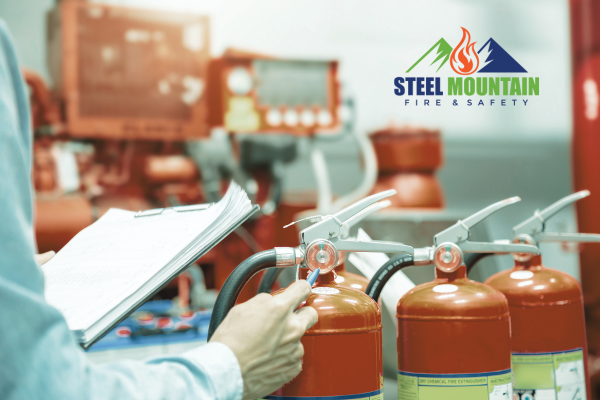
Do you know the difference between monthly and yearly checks? Monthly inspections are quick checks to ensure accessibility and visibility. They help identify any issues like missing tags or signs of damage. Annual inspections, on the other hand, are more thorough. They involve checking the extinguisher’s pressure, weight, and overall condition. These inspections are critical. They ensure your extinguishers are ready in an emergency.
Many businesses mistakenly think annual checks are enough. However, monthly checks are equally important. They catch small issues before they become significant problems. This routine keeps your equipment in peak condition.
Essential Services for Compliance
To meet compliance standards, you need more than just inspections. Let's explore essential services that keep your equipment ready.
Fire Extinguisher Recharge and Testing
Recharging your extinguisher is like refilling your car's gas tank. Without it, you risk being unprepared in a crisis. After each use, extinguishers must be recharged to ensure readiness. Testing involves checking the extinguisher’s pressure and seals. This guarantees they will work when needed. For a comprehensive guide to extinguisher maintenance, visit this blog post.
Recharging and testing involve specific steps:
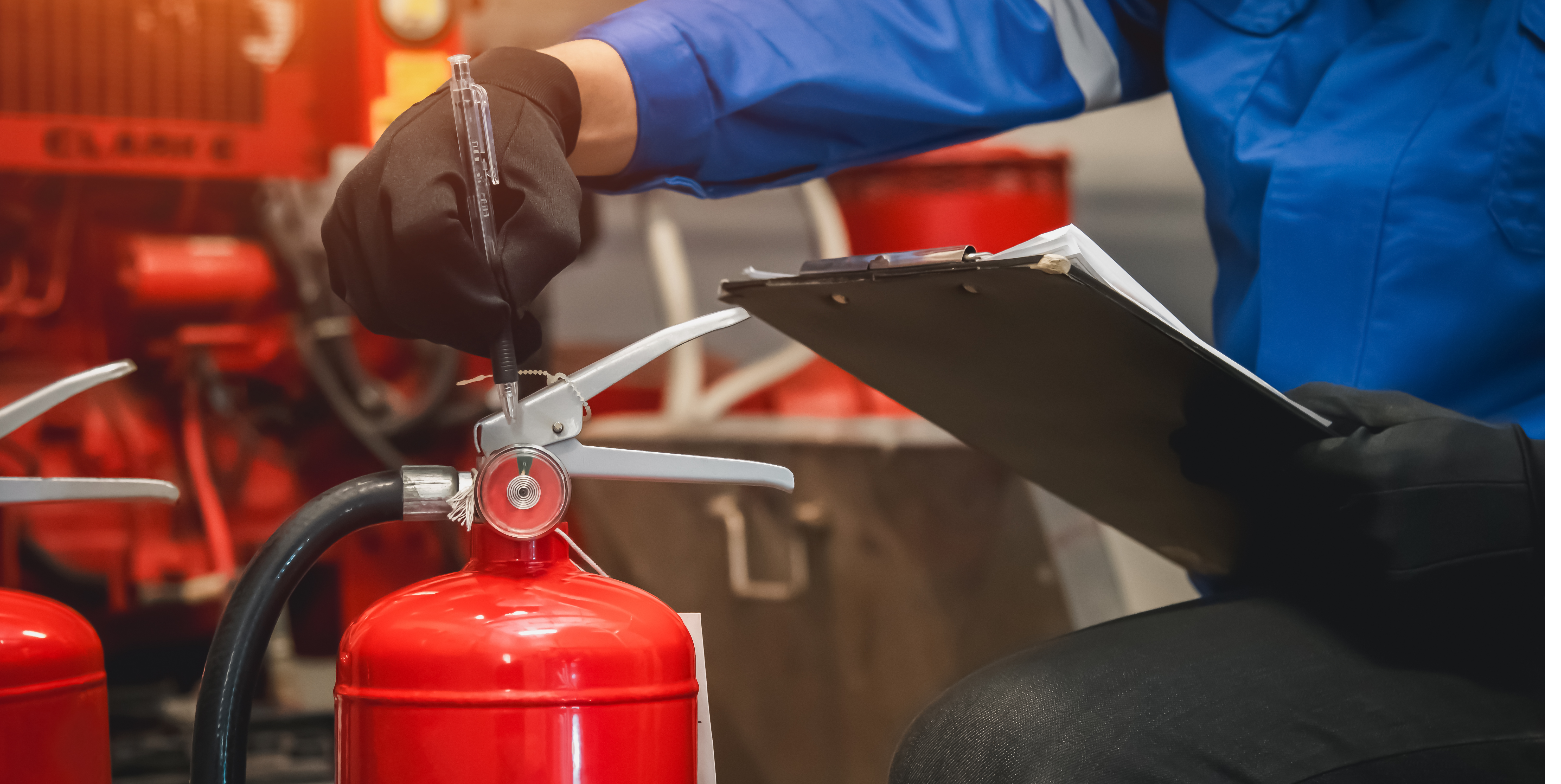
Check the pressure gauge: Ensure it’s in the operational range.
Inspect the seal: Look for any signs of tampering.
Weigh the extinguisher: Confirm it matches the expected weight.
These tasks ensure your equipment is always ready to perform.
Six-Year and Hydrostatic Maintenance
Every six years, extinguishers need a more detailed check. This involves dismantling and inspecting internal parts. Hydrostatic testing, required every 12 years, checks for leaks and structural integrity. This test ensures the extinguisher can withstand pressure without bursting. It’s a critical step for maintaining equipment safety and compliance.
Ignoring these checks can lead to equipment failure. Many assume these tests aren’t necessary, but they are vital for long-term safety. They ensure your extinguishers remain reliable over time.
Benefits of Professional Fire Safety Services
Investing in professional services offers peace of mind. Let’s look at how these services enhance safety in your workplace and kitchens.
Ensuring Workplace Fire Safety
Hiring professionals ensures your fire safety measures are top-notch. They have the expertise to identify potential risks and correct them. This reduces the likelihood of fire-related incidents. Most people believe they can handle inspections themselves, but professionals offer trained eyes and knowledge that make the difference.
Regular professional services keep your workplace within safety regulations. They provide comprehensive reports, ensuring you know exactly what needs attention. This proactive approach helps you avoid last-minute scrambles to fix compliance issues.
Enhancing Commercial Kitchen Fire Safety
Commercial kitchens face unique fire risks due to equipment and cooking processes. Professional services offer tailored solutions to keep these environments safe. They provide regular exhaust cleaning, reducing grease buildup—a significant fire hazard.
Many kitchen operators overlook these needs, believing regular cleaning suffices. However, professional services ensure thorough maintenance, keeping your kitchen compliant with NFPA standards. This attention to detail keeps your staff and customers safe.
By trusting your fire safety to experts, you benefit from their experience and knowledge. This choice fosters a safer work environment and enhances your reputation for safety and reliability.
