Top Warning Signs Your Fire Extinguishers Could Fail When You Need Them Most
Top Warning Signs Your Fire Extinguishers Could Fail When You Need Them Most
A corroded fire extinguisher or a low pressure gauge extinguisher won’t protect your business when a fire breaks out. Many facilities miss crucial signs during monthly extinguisher checks that lead to failure when it matters most. In this post, you’ll learn the top warning signs to spot before your next fire extinguisher inspection, helping you stay compliant with NFPA 10 and North Carolina fire code. Protect your team and pass your next inspection—schedule a complimentary on-site extinguisher assessment and service quote with Steel Mountain Fire & Safety today. Learn more about common issues with fire extinguishers here.
Critical Fire Extinguisher Red Flags
Spotting issues early can make all the difference in an emergency. Your fire extinguisher must be in top condition to ensure safety. Let's explore the signs that indicate trouble before it's too late.
Recognizing Low Pressure Issues
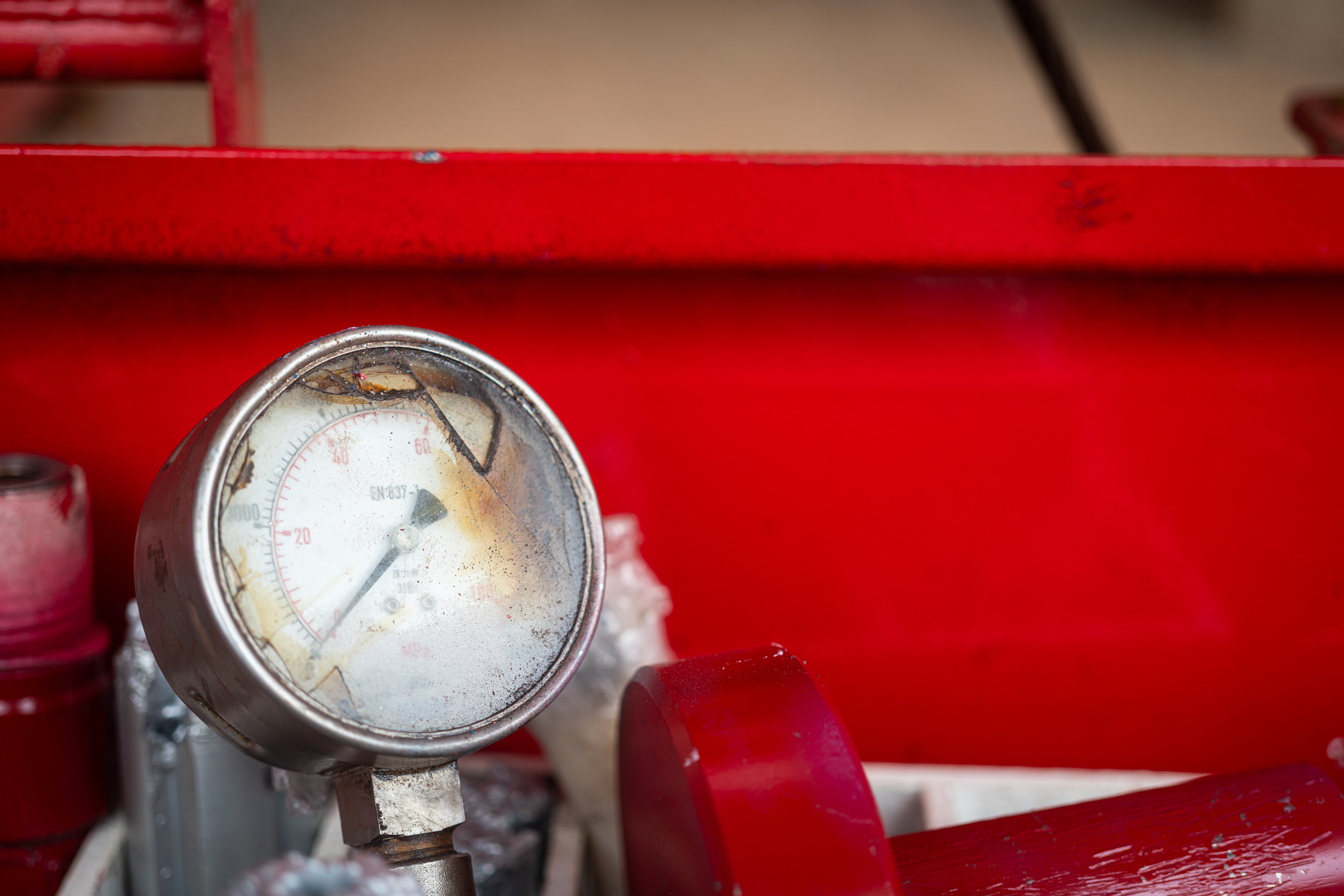
Low pressure in a fire extinguisher can mean the difference between safety and disaster. It's important to regularly check the gauge. If it points to the "recharge" zone, action is necessary. Under-pressure extinguishers won't work properly, leaving your facility vulnerable. Ensure that your team understands how to read and respond to pressure gauge readings. Regular checks help maintain readiness, aligning with essential safety protocols. Want to dive deeper into pressure issues? Check out this resource.
Identifying Corroded Extinguishers
Corrosion is a silent threat to fire safety equipment. A corroded extinguisher may not function when needed most. Check for rust or wear, especially on the base and handle. Even minor corrosion can lead to malfunction, compromising the extinguisher's effectiveness. Regular inspections can prevent this problem. Address any signs of corrosion immediately to ensure compliance with local fire codes. Learn more about the impact of corrosion here.
Understanding Expired Service Dates
Service dates matter. An expired fire extinguisher, much like expired milk, is unreliable. Check the tag for the last service date. If it's past due, it's time for a professional check-up. Ignoring service dates increases the risk of failure during a fire. Keep a log to track when each extinguisher is due for review. Regular updates ensure your equipment stays in working order. For more insights on service schedules, visit this guide.
Ensuring NFPA 10 Compliance
Adhering to NFPA 10 standards is essential for fire safety compliance. Understanding requirements can prevent costly fines and, more importantly, save lives.
Importance of Annual Certification
Annual certification isn't just a formality. It's a vital step in ensuring your extinguishers are ready for action. Certified technicians examine each unit thoroughly, addressing any potential issues. Skipping annual certification could lead to non-compliance, putting your business at risk. Keep records of these inspections to demonstrate compliance. Regular certifications are a simple way to uphold safety standards.
Monthly Extinguisher Checks Explained
Monthly checks are a proactive measure to maintain safety. They involve more than a quick glance. During these checks, look for visible damage, tampering, and pressure gauge readings. Regular checks help catch potential issues early, ensuring your extinguishers are always ready. Training your staff to perform these checks can enhance your team's readiness. For a step-by-step guide, explore more here.
Role of Hydrostatic Testing
Hydrostatic testing is crucial for long-term extinguisher health. This test assesses the unit's ability to withstand pressure. Failing to perform these tests can result in undetected weaknesses, leading to equipment failure. Ensure that hydrostatic tests are part of your regular maintenance routine. This testing is a key component of comprehensive fire safety management.
Comprehensive Fire Safety Strategy
A full safety plan extends beyond just purchasing extinguishers. It involves strategic maintenance and planning to ensure ongoing protection.
Benefits of Fire Extinguisher Recharge
Recharging extinguishers keeps them operational and ready for action. It's a cost-effective way to maintain equipment without full replacement. Recharged extinguishers remain reliable, ensuring safety compliance. Regular recharges should be scheduled as part of your maintenance plan, keeping devices ready for any emergency.
Commercial Kitchen Fire Safety Essentials
Commercial kitchens face unique fire risks. Grease fires, for example, require specialized equipment. Ensure your kitchen has the right extinguishers and suppression systems. Failing to equip kitchens properly can lead to severe fire hazards. Regular inspections and cleanings help maintain a safe cooking environment. For more on kitchen fire safety, explore this resource.
Schedule Your Facility Fire Safety Audit
The ultimate step in fire safety is a comprehensive audit. This service evaluates your entire setup, identifying any gaps in compliance. An audit can uncover hidden hazards, offering peace of mind. Schedule a routine audit to ensure that your facility meets all safety standards. This proactive step safeguards both your business and your employees.
By staying informed and proactive, you can ensure that your fire safety measures are always up to date. Protect your business and your team by addressing these critical issues today.
