Stress-Free Fire Inspections: A 30-Day Readiness Plan for Your Business
How to Prepare Your Business for a Fire Inspection Without Last-Minute Stress
Preparing for a fire marshal inspection can feel overwhelming when deadlines loom. Many businesses scramble last minute, risking non-compliance with the North Carolina fire code and AHJ requirements. You can avoid that stress by following a clear fire inspection checklist that covers everything from fire extinguisher service to NFPA 96 hood cleaning. This guide will walk you through a step-by-step plan to prepare for fire inspection with confidence and ease. For more detailed advice, you can refer to resources like this guide on preparing for an inspection.
Proactive Fire Inspection Prep
Getting a head start on fire inspection preparation can save you time and stress. The key is understanding the necessary compliance requirements and planning accordingly. Let’s dive into the essentials.
Understanding NFPA Compliance
NFPA compliance is crucial for ensuring your business meets fire safety standards. The National Fire Protection Association (NFPA) sets guidelines that help protect lives and property. These standards cover everything from fire extinguisher placement to emergency lighting. By familiarizing yourself with these requirements, you ensure your business is safe and ready for inspection. You can find more information on NFPA compliance from this resource on the topic.
Understanding NFPA standards involves knowing which codes apply to your business. These codes dictate the types and numbers of fire safety equipment required. For instance, if you operate a commercial kitchen, NFPA 96 pertains to your exhaust systems. Regularly reviewing these standards keeps your business compliant and prepared.
Key AHJ Requirements
Local Authorities Having Jurisdiction (AHJ) enforce fire codes and standards. Each AHJ may have specific requirements for inspections. Knowing these requirements helps you avoid surprises during inspections. Check with your local fire department to understand these expectations and ensure compliance.
Being aware of AHJ requirements involves more than just meeting basic fire safety standards. It includes understanding local variations and additional inspections. For example, some jurisdictions may require more frequent checks of fire suppression systems. Stay informed by reaching out to local officials or consulting resources such as this guide on fire inspections for businesses.
Creating a Fire Inspection Checklist
A comprehensive checklist is your go-to tool for inspection prep. It helps ensure that all fire safety equipment is functional and compliant. Your checklist should include fire extinguisher checks, emergency lighting tests, and a review of exit signs. By keeping this checklist up to date, you make inspections smoother and less stressful.
To create a thorough checklist, start by listing all necessary fire safety tasks. Include regular maintenance and inspections for each item. This proactive approach not only keeps your business compliant but also enhances overall safety. Consider using templates or examples from reliable sources to tailor your checklist to your business needs.
Essential Fire Safety Measures
Adopting essential fire safety measures is central to passing inspections. This section outlines key actions that enhance safety and ensure compliance.
Fire Suppression System Inspection
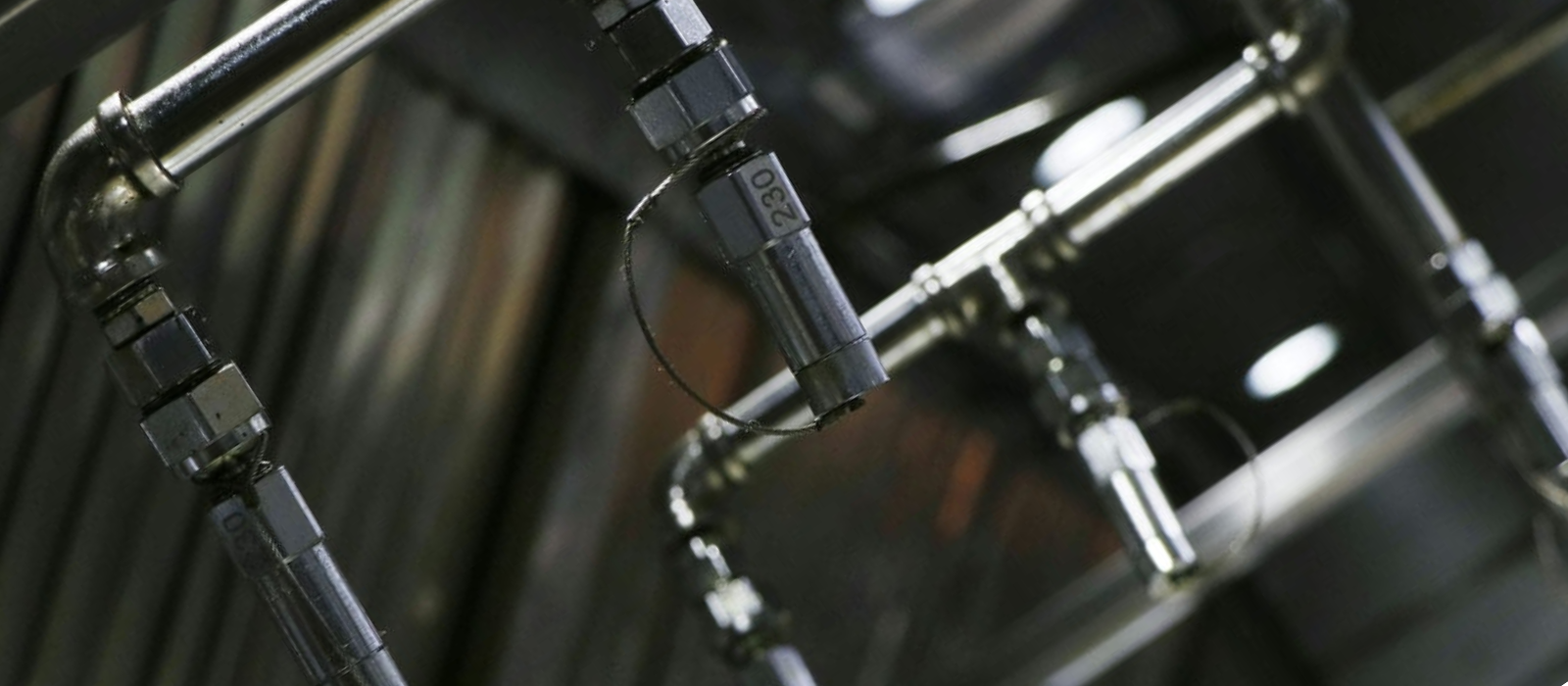
Regular inspections of your fire suppression system are vital. These systems must function correctly to protect your business during a fire. Inspectors check for any signs of wear or malfunction. Make sure every part, from nozzles to control panels, is in top shape.
Routine inspections often involve checking system pressure, functionality, and any potential blockages. Scheduling regular maintenance with professionals ensures that your system remains effective. Proper upkeep not only meets compliance standards but also provides peace of mind that your business is well-protected.
Fire Extinguisher Service and Maintenance
Fire extinguishers are a first line of defense in an emergency. Regular service ensures they work when needed. Inspectors look for proper placement, charge levels, and physical condition. Keep extinguishers accessible and clearly marked.
Monthly checks should include ensuring that extinguishers are fully charged and free from damage. Annually, a professional should inspect them for more detailed maintenance. Proper care of your extinguishers is a simple yet effective way to ensure safety and compliance.
Emergency Lighting and Exit Sign Inspection
Emergency lighting and exit signs are crucial during a fire. They guide occupants to safety. Regular checks ensure they function correctly during power outages. Inspectors will check batteries, bulbs, and wiring. Regularly test these components to ensure they're operational.
Conduct routine tests of your emergency lighting systems to confirm they are functioning as expected. Ensure that all exit signs are clearly visible and that backup power sources are intact. This proactive approach helps maintain compliance and ensures safety in an emergency.
Streamlining Commercial Kitchen Safety
For commercial kitchens, fire safety is paramount. Following specific guidelines keeps your kitchen safe and compliant with fire codes.
NFPA 96 Hood Cleaning
NFPA 96 requires regular hood cleaning in commercial kitchens. This prevents grease buildup, a common fire hazard. Regular cleaning keeps your kitchen safe and in compliance with fire codes. Schedule cleanings based on your kitchen’s activity level to maintain compliance.
Regular hood cleaning involves removing grease and grime that accumulate in exhaust systems. This not only reduces fire risk but also improves air quality in your kitchen. Engage with professionals experienced in NFPA 96 standards to ensure thorough and compliant cleaning.
Kitchen Exhaust and Grease Duct Cleaning
Cleaning your kitchen exhaust and grease ducts is essential for fire safety. These areas can accumulate flammable materials. Regular cleaning reduces the risk of fire and ensures compliance. Plan for consistent cleaning schedules to keep your kitchen safe.
Regular maintenance of exhaust systems and grease ducts involves removing buildup that can lead to fires. This process enhances both safety and air quality in your kitchen. Partner with experienced cleaning services to maintain compliance with local fire safety regulations.
Scheduling a Pre-Inspection Audit
A pre-inspection audit can identify potential issues before an official inspection. This proactive step helps you address any problems early. Schedule audits regularly to ensure ongoing compliance and safety. It’s a cost-effective way to avoid surprises during official inspections.
During a pre-inspection audit, experts will assess your fire safety measures and identify areas needing improvement. This approach not only ensures compliance but also enhances overall safety. Regular audits provide peace of mind and keep your business inspection-ready.
Frequently Asked Questions
What is NFPA 96, and why is it important?
NFPA 96 is a standard for fire safety in commercial kitchens. It focuses on ventilation control and fire protection, addressing grease-laden vapors. Compliance with NFPA 96 reduces the risk of kitchen fires and ensures safe operations.
How often should fire extinguishers be inspected?
Fire extinguishers should be inspected monthly for charge levels and damage. A professional should conduct a detailed annual inspection. Regular checks ensure extinguishers are operational and compliant with safety standards.
What are AHJ requirements for fire inspections?
AHJ requirements vary by location and cover specific fire safety standards. These requirements dictate how often inspections occur and what equipment needs checking. It's essential to consult your local fire department to understand these requirements.
For more comprehensive guidance on preparing your business for a fire inspection, consult resources like this fire inspection preparation guide.
