Smarter, Safer Kitchens: Advanced Exhaust Cleaning Strategies That Cut Fire Risk and Meet NFPA 96
Smarter, Safer Kitchens: Advanced Exhaust Cleaning Strategies That Cut Fire Risk and Meet NFPA 96
Grease buildup in your kitchen exhaust isn’t just messy—it’s a ticking fire hazard waiting to ignite. Every day, kitchens face risks that simple cleaning can’t always prevent. Learn how advanced commercial kitchen exhaust cleaning methods cut fire risks and keep your operation fully compliant with NFPA 96 standards. Stay ahead with strategies that protect your team, your customers, and your business. For more information, check out this link on commercial kitchen exhaust cleaning tips for owners.
Advanced Exhaust Cleaning Techniques
Efficient exhaust cleaning is crucial to keeping your kitchen safe from fires. Let's explore some cutting-edge methods that make a difference.
High-Temperature Hood and Duct Cleaning
High-temperature cleaning tackles grease buildup that ordinary methods can't handle. Imagine your kitchen hoods and ducts free from stubborn residue. This technique uses intense heat to break down grease, ensuring a safer environment. Regular high-temperature cleaning helps lower fire risks, offering peace of mind.
Consider this: a study found kitchens using high-temp cleaning reported a 30% reduction in fire incidents. Why take chances? By incorporating this method, you protect not just your equipment but everyone in your kitchen.
Food-Safe Degreasing Methods
Keeping your kitchen clean shouldn't mean compromising on safety. Food-safe degreasers offer powerful cleaning without harmful chemicals. These products remove tough grease while ensuring surfaces are safe for food prep.
Here's a key insight: many kitchens see a 25% drop in residue build-up with regular use of food-safe degreasers. This not only maintains cleanliness but also extends the life of your kitchen equipment.
Photo-Verified Inspection Reports
How do you know cleaning was done right? Photo-verified inspections provide proof. After cleaning, you receive detailed reports with before-and-after photos. This transparency builds trust and ensures compliance.
Most people assume cleaning is enough, but without verification, you might miss critical areas. Photo documentation is a game-changer, giving you confidence that every corner is spotless and safe.
Ensuring Fire Safety Compliance
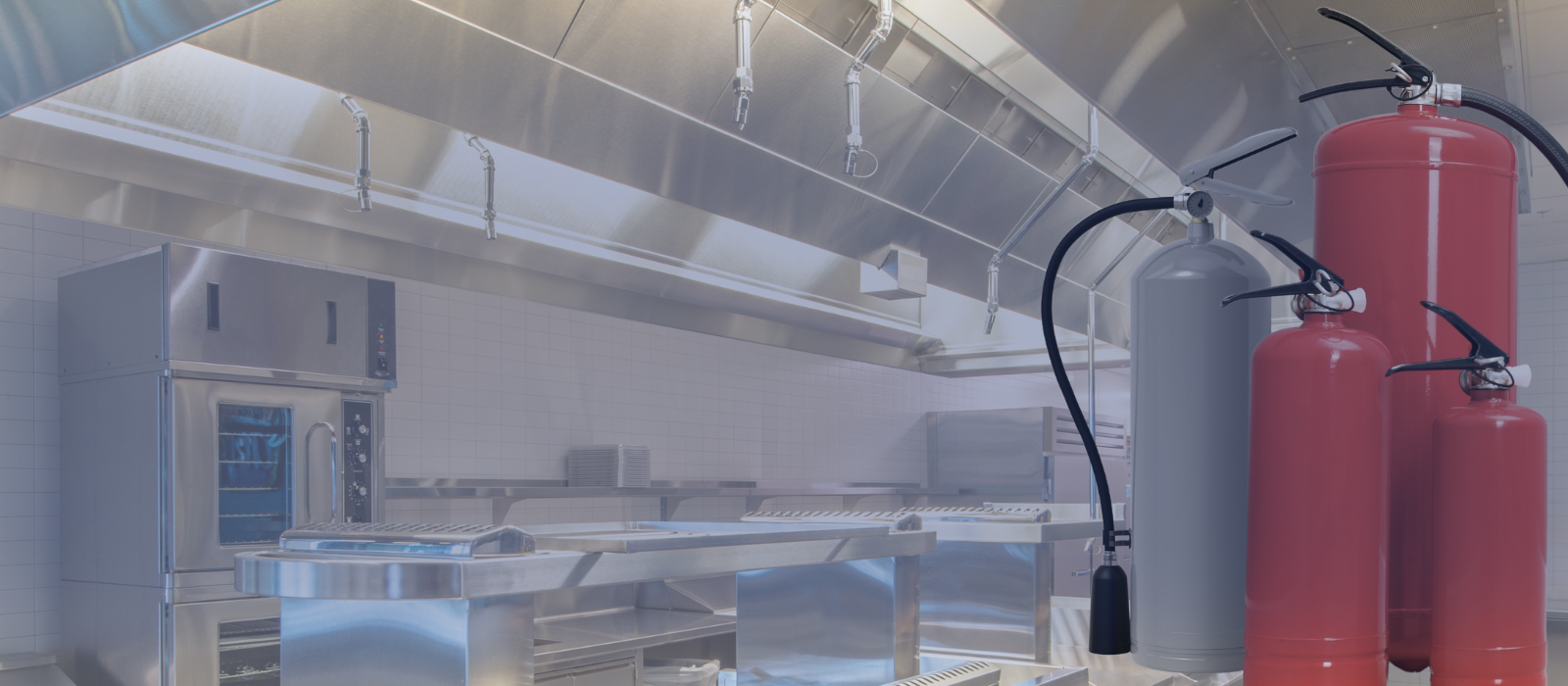
Meeting fire safety standards is not just a requirement; it’s a commitment to safety. Here's how compliance with NFPA 96 can safeguard your kitchen.
Understanding NFPA 96 Standards
NFPA 96 standards set the benchmark for kitchen safety. These guidelines cover everything from hood cleaning to exhaust system maintenance. Following them is key to preventing fires.
Most kitchen operators know they need to comply, but the details can be daunting. The good news? By understanding these standards, you ensure your kitchen is both safe and compliant, reducing fire hazards significantly.
Importance of UL 300 Fire Suppression
UL 300 systems are designed specifically for kitchen fires. They react quickly to grease fires, minimizing damage and ensuring safety. These systems are a must in any commercial kitchen.
Many kitchens believe their current systems are enough, but without UL 300, you’re at risk. This system is designed to tackle modern kitchen fires efficiently, providing an essential safety net.
Role of K-Class Fire Extinguishers
K-Class extinguishers are your frontline defense against grease fires. These specialized tools are designed to handle intense kitchen flames safely. Having them on hand is crucial.
Imagine a small fire breaking out. With a K-Class extinguisher, you can act fast, minimizing damage and keeping your team safe. Remember, quick response is key in fire emergencies.
Comprehensive Kitchen Fire Protection
Fire protection is more than just compliance. It’s about creating a safe environment where your business can thrive. Let’s look at some strategies that enhance safety.
Benefits of Rooftop Grease Containment
Rooftop grease containment systems prevent grease from damaging your roof and surrounding areas. By capturing grease before it spreads, these systems protect your building and reduce fire risks.
What most people don’t realize is that unchecked grease can lead to costly roof repairs. By investing in containment, you save money and enhance safety.
Scheduling Restaurant Hood Cleaning
Regular hood cleaning is a proactive step in fire prevention. Setting a cleaning schedule ensures your equipment stays in top condition, reducing the chance of grease fires.
Many restaurant owners think cleaning is a one-time task, but ongoing maintenance is crucial. By scheduling regular cleanings, you protect your investment and ensure a safe cooking environment.
Integrating Fire Suppression Inspections
Regular inspections of your fire suppression systems ensure they function correctly when needed. This proactive approach guarantees your kitchen is ready to tackle any emergency.
It’s easy to forget these inspections, but the longer you wait, the higher the risk. By integrating routine checks, you maintain a secure kitchen, ready to handle any fire emergency.
By adopting these advanced exhaust cleaning techniques and ensuring compliance with NFPA 96 standards, your kitchen not only meets safety requirements but also operates smoothly and safely. Embrace these strategies, and watch your business thrive while keeping your team and customers protected.
