Pass Your Next Fire Extinguisher Inspection: A 12-Point Compliance Checklist for Businesses
Pass Your Next Fire Extinguisher Inspection: A 12-Point Compliance Checklist for Businesses
Fire extinguisher compliance can feel overwhelming when inspections loom. Missing just one detail on your fire extinguisher inspection checklist risks costly fines or failed inspections. Let’s break down the 12 key points you need to check before your next inspection to stay ahead and secure your business’s safety. For more information, you can refer to this fire extinguisher inspection guide.
Fire Extinguisher Compliance Essentials
Navigating fire safety regulations can seem daunting. Yet, understanding key requirements is crucial for ensuring compliance and safety.
Understanding NFPA 10 Requirements
NFPA 10 sets the standards for portable fire extinguishers. You must ensure that all extinguishers are suitable for the types of fires likely to occur on your premises. Keep an eye out for size, placement, and maintenance standards. These guidelines are designed to protect your workspace and meet regulatory demands. A common oversight is the type of fire each extinguisher can handle. Make sure you have the correct class for potential fire threats. Referencing the NFPA guide can provide more detailed insights.
Key OSHA 1910.157 Standards
OSHA 1910.157 highlights the maintenance and inspection of extinguishers. Monthly visual checks and annual professional inspections are mandated. You're required to maintain clear access to extinguishers and ensure employees are trained in their use. This regulation emphasizes both physical maintenance and user training. Surprisingly, many businesses overlook the importance of regular employee training. Ensuring your team knows how to use extinguishers can make a significant difference.
Preparing for AHJ Inspections
Preparing for AHJ inspections involves meticulous planning. Inspectors check compliance with local fire codes and regulations. To stay prepared, regularly update your inspection records and ensure all equipment is functional. It's also wise to conduct internal audits before official inspections. Many businesses find themselves unprepared due to overlooked details. Regular self-checks can help avoid unexpected issues during inspections. For a comprehensive checklist, visit Spanish Fork's inspection guide.
Comprehensive Inspection Checklist
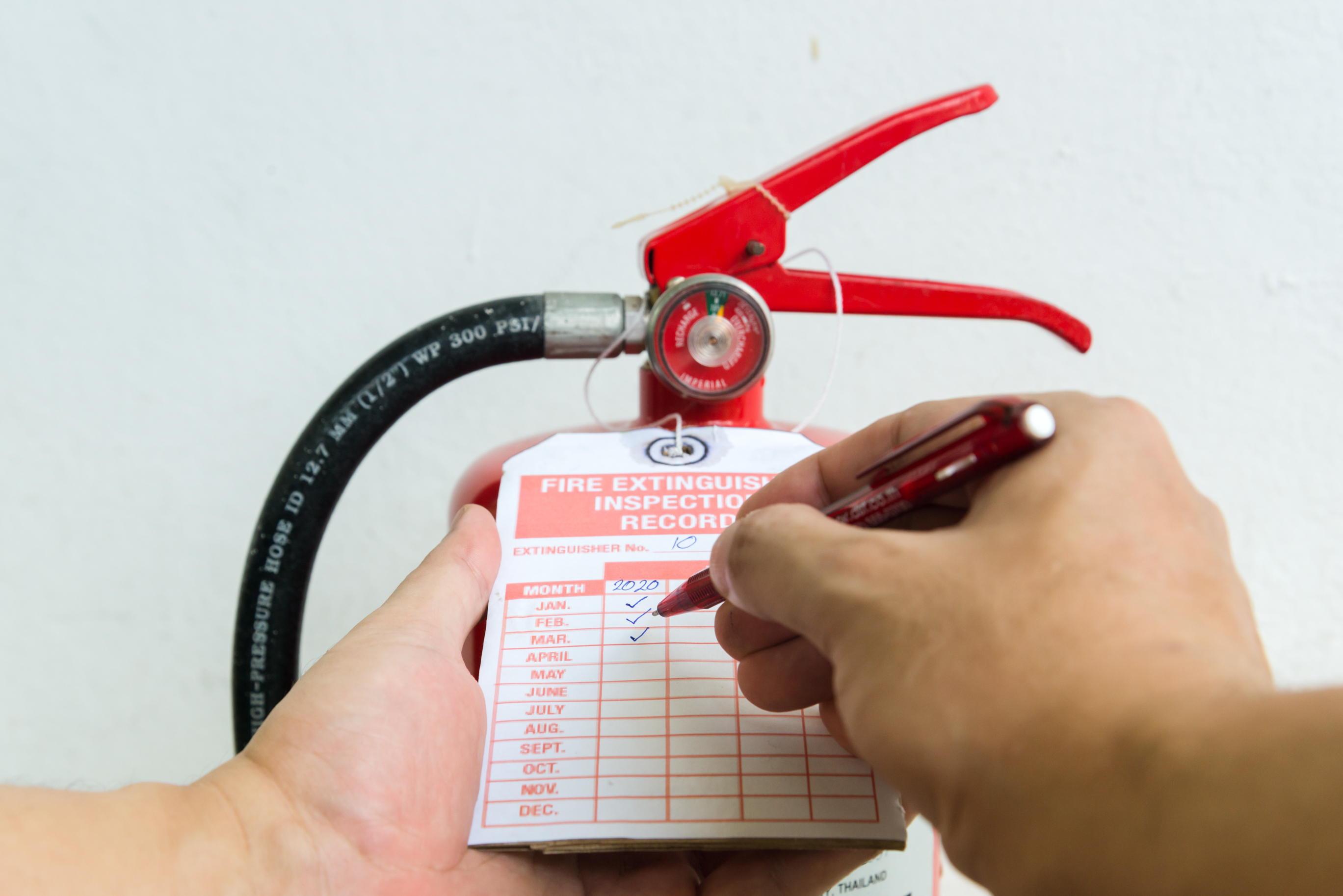
Regular inspections ensure your extinguishers are ready when needed. Following a structured checklist can simplify this process.
Monthly Extinguisher Inspection Tips
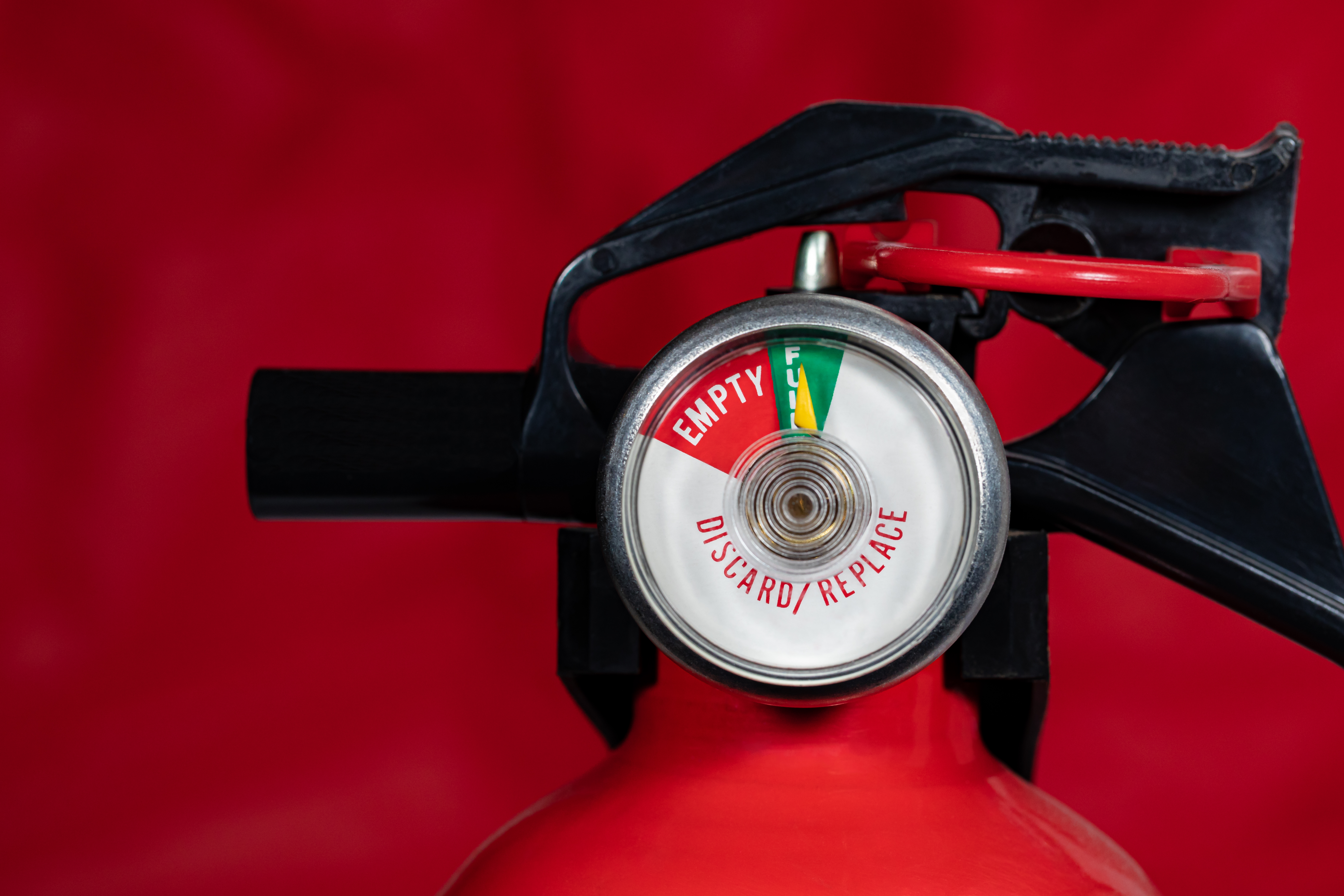
Conducting monthly checks helps in early identification of potential issues. Begin by ensuring each extinguisher is visible and accessible. Check the pressure gauge to confirm it's in the operational range. Look for signs of physical damage or corrosion. These quick checks can prevent bigger problems down the line. Most people assume yearly checks suffice but monthly inspections can catch problems early. Ensure that your team understands the importance of these regular assessments.
Annual Fire Extinguisher Inspection Guide
Annual inspections should be thorough. A certified technician should examine each extinguisher, checking for internal issues and verifying the weight and pressure. This annual scrutiny ensures that your extinguishers remain effective. Consider it a health checkup for your fire safety equipment. Many overlook the need for professional inspections, thinking monthly checks are enough. Yet, professional inspections provide the depth of assessment needed to ensure compliance.
Importance of Hydrostatic Testing
Hydrostatic testing is vital for verifying the structural integrity of extinguishers. Typically required every 5 to 12 years, this test involves filling the extinguisher with water and pressurizing it to check for leaks. This process helps ensure your extinguishers are reliable during emergencies. Ignoring this can lead to equipment failure when you need it most. It's an often forgotten step but essential for long-term safety. For more on testing schedules, see UCSD's inspection overview.
Placement and Maintenance Strategies
Proper placement and ongoing maintenance can significantly enhance fire safety effectiveness.
Extinguisher Placement Requirements
Correct placement is crucial. Extinguishers should be easily accessible and placed at strategic points. Ensure they're mounted at the right height: typically no more than 5 feet from the floor for easy access. This ensures everyone can reach them when needed. Misplaced extinguishers can delay response times during an emergency. Proper placement is more important than many realize.
Class K Extinguisher Needs in Kitchens
Kitchens present unique fire risks. Class K extinguishers, specifically for grease fires, are mandatory in commercial kitchens. Ensure they're readily available and staff are trained in their use. Grease fires can escalate quickly, so having the right extinguisher is crucial. Many kitchen operators underestimate the necessity of Class K extinguishers. Ensuring compliance can prevent devastating kitchen fires.
Mounting Height for Fire Extinguishers
Proper mounting ensures extinguishers are within reach. The top of the extinguisher should be no more than 5 feet above the floor for easy access. This guideline ensures everyone can quickly use them if needed. Incorrect mounting can make extinguishers hard to reach in emergencies. Adhering to height guidelines is a simple yet effective safety measure. For detailed placement requirements, review this business inspection checklist.
With these guidelines, you're well on your way to ensuring compliance and safety. Regular attention to your fire safety measures not only meets regulatory standards but also protects lives. Stay vigilant and keep your business safe!
