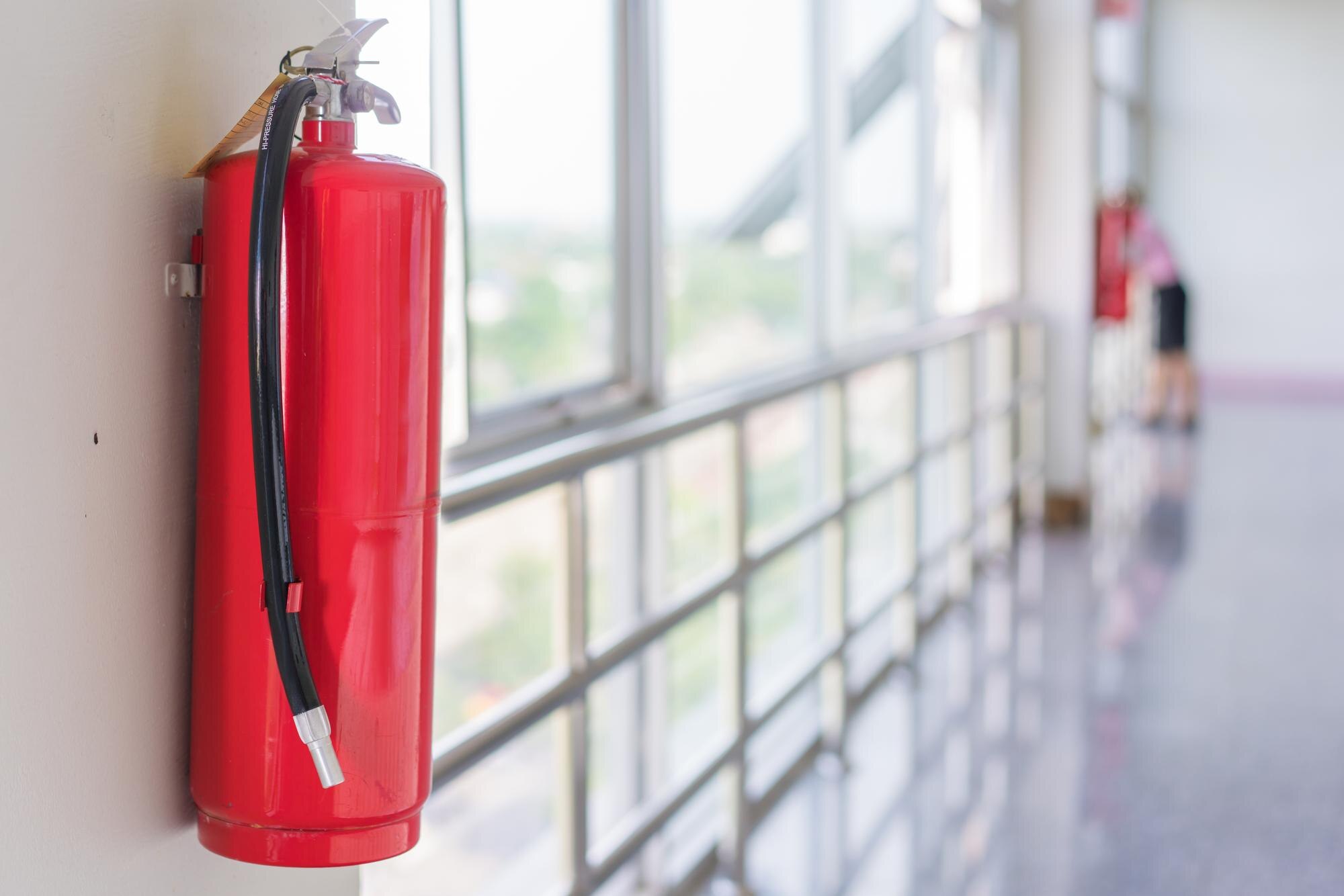
Navigating Fire Safety Compliance: Your Practical Guide to Business Peace of Mind
Navigating Fire Safety Compliance: Your Practical Guide to Business Peace of Mind
Most businesses assume fire safety compliance is just ticking boxes. The truth is, missing one detail can put your entire operation—and everyone in it—at risk. This guide walks you through practical steps to secure your business fire protection, from fire suppression systems to commercial kitchen safety, so you can protect what matters most. For more insights, visit this guide.
Understanding Fire Safety Compliance
Keeping your business safe involves more than just fire extinguishers. Let's dig into what it takes to truly be compliant and protect your people and property.
Key Compliance Requirements
When it comes to fire safety compliance, several aspects need your attention. First, ensure that your emergency exits are clearly marked and accessible at all times. This simple step can mean the difference between safety and chaos during an emergency.
Fire alarms should be in working order, with regular checks and maintenance to guarantee functionality. It's not just about having these systems in place; they need to work when needed most. Additionally, exit lights must be visible and operational, guiding occupants to safety.
Sprinkler systems are another crucial component. They must be inspected and maintained regularly to ensure they can perform their life-saving role. It's about more than ticking boxes; it's about ensuring your business is truly prepared for any emergency. Learn more about fire safety regulations here.
Importance of Regular Inspections
Regular inspections might seem like a hassle, but they're vital. They help identify potential hazards before they become serious issues. Don't wait for a fire to test your systems.
Routine checks ensure that all your fire safety equipment is functioning correctly. This includes extinguishers, alarms, and sprinklers. A small oversight could lead to severe consequences, putting lives and property at risk.
You might think it won't happen to you, but fire doesn't discriminate. The longer you wait to ensure compliance, the more you gamble with safety. Prioritize these inspections to maintain a secure environment, as emphasized in this resource.
Comprehensive Fire Protection Solutions
Now that you understand compliance, let's explore the fire protection solutions that keep your business safe and sound.
Effective Fire Suppression Systems
Fire suppression systems are your first line of defense. They can control and extinguish fires before they spread, minimizing damage and ensuring safety. But how do you choose the right system?
Consider the specific needs of your business. Different environments require different solutions. For instance, a restaurant kitchen might need a wet chemical system, while an office might benefit from a clean agent system. It's about matching the solution to the risk.
Proper installation and maintenance are key. Just having a system isn't enough; it must be ready to respond at a moment's notice. Engage experts to ensure your system is both effective and reliable. Check out this business owner's guide for more insights.
Reliable Fire Extinguisher Services
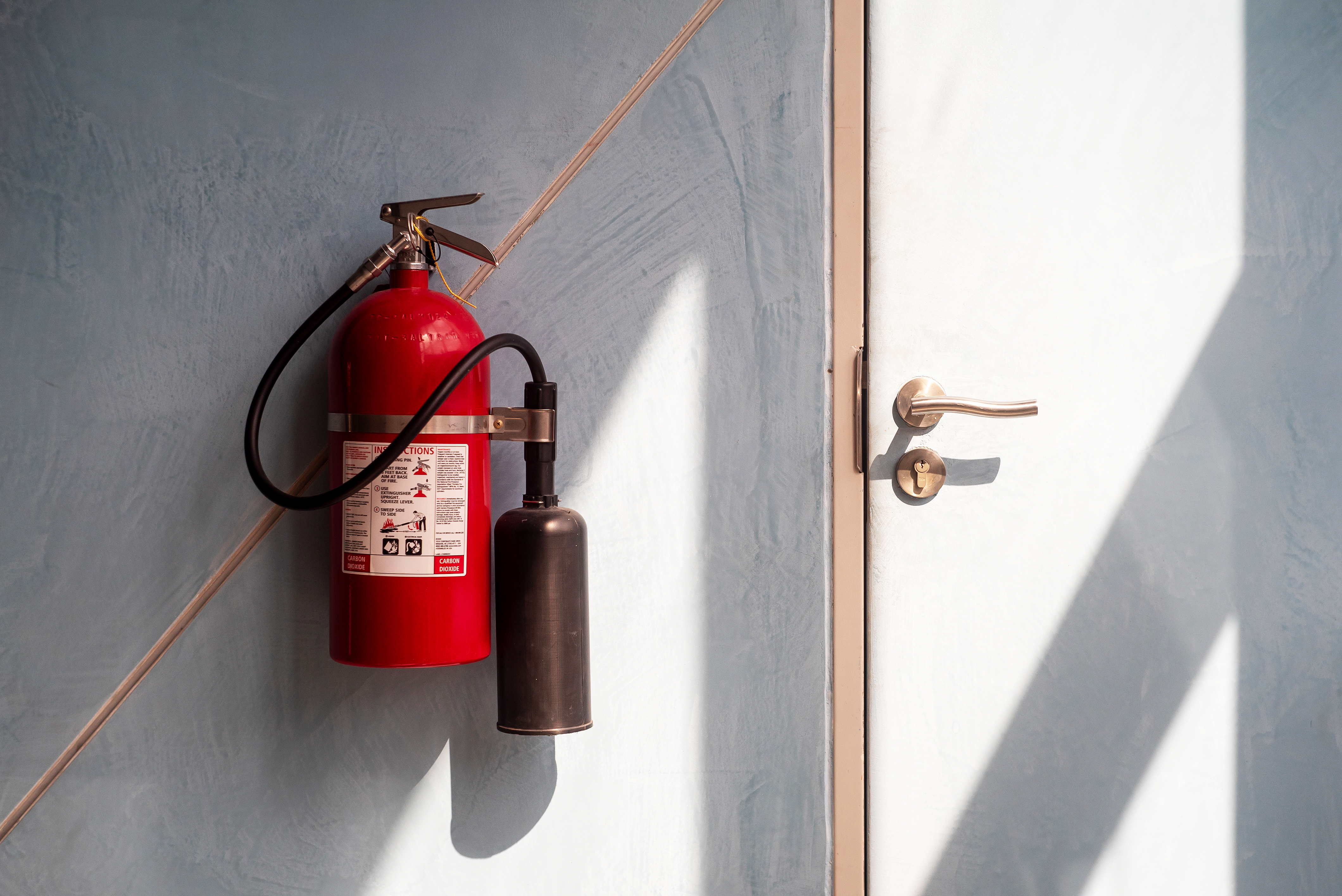
Fire extinguishers are essential tools in any fire protection plan. They provide the means to tackle small fires before they escalate. But are your extinguishers up to the task?
Ensure your extinguishers are the right type for the potential fires you might face. An ABC extinguisher, for example, is versatile and suitable for many environments. Regular checks and maintenance are crucial, as an expired or faulty extinguisher is as good as none.
Training your team to use extinguishers effectively is also vital. In an emergency, knowing how to act swiftly and confidently can save lives. Proper training can turn potential panic into prompt action. For more on maintaining fire safety, visit this essential guide.
Specialized Safety for Commercial Kitchens
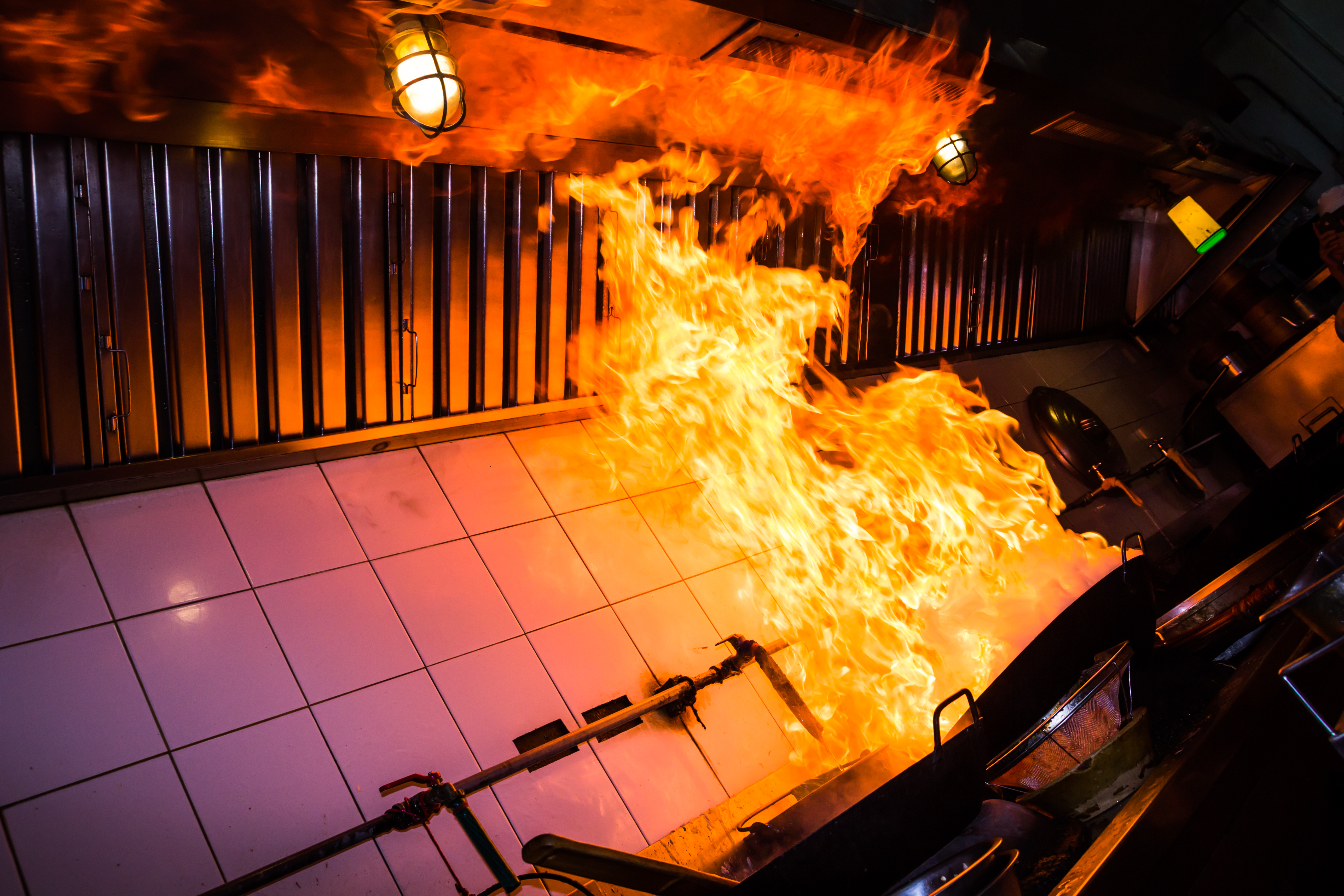
Commercial kitchens face unique fire risks. Let's dive into the specific safety measures you need to protect your business and employees.
Essential Kitchen Exhaust Cleaning
Grease buildup in kitchen exhaust systems is a significant fire hazard. Regular cleaning is essential to prevent this common risk. But how often should you clean?
The National Fire Protection Association recommends cleaning every three months, but high-volume kitchens might need more frequent attention. Regular cleaning reduces fire risk and keeps your kitchen compliant with safety standards.
Professional cleaning services can ensure thoroughness and efficiency. They have the tools and expertise to tackle even the most stubborn grease deposits. Don't leave your kitchen's safety to chance; ensure it's in tip-top shape.
Ensuring Kitchen Safety Compliance
Meeting kitchen safety compliance isn't just about exhaust cleaning. It's a comprehensive approach that includes fire suppression systems and staff training. Are your systems up to code?
Ensure that your fire suppression system is specifically designed for kitchen environments. Regular inspections and maintenance will keep it in optimal condition, ready to tackle any fire emergency.
Training your team in fire safety procedures is equally important. Knowing what to do in an emergency can prevent injuries and save lives. Regular drills and updates to safety protocols ensure your team is always prepared.
By implementing these measures, you not only protect your business but also contribute to a safer work environment for everyone involved. Stay proactive and committed to fire safety.
