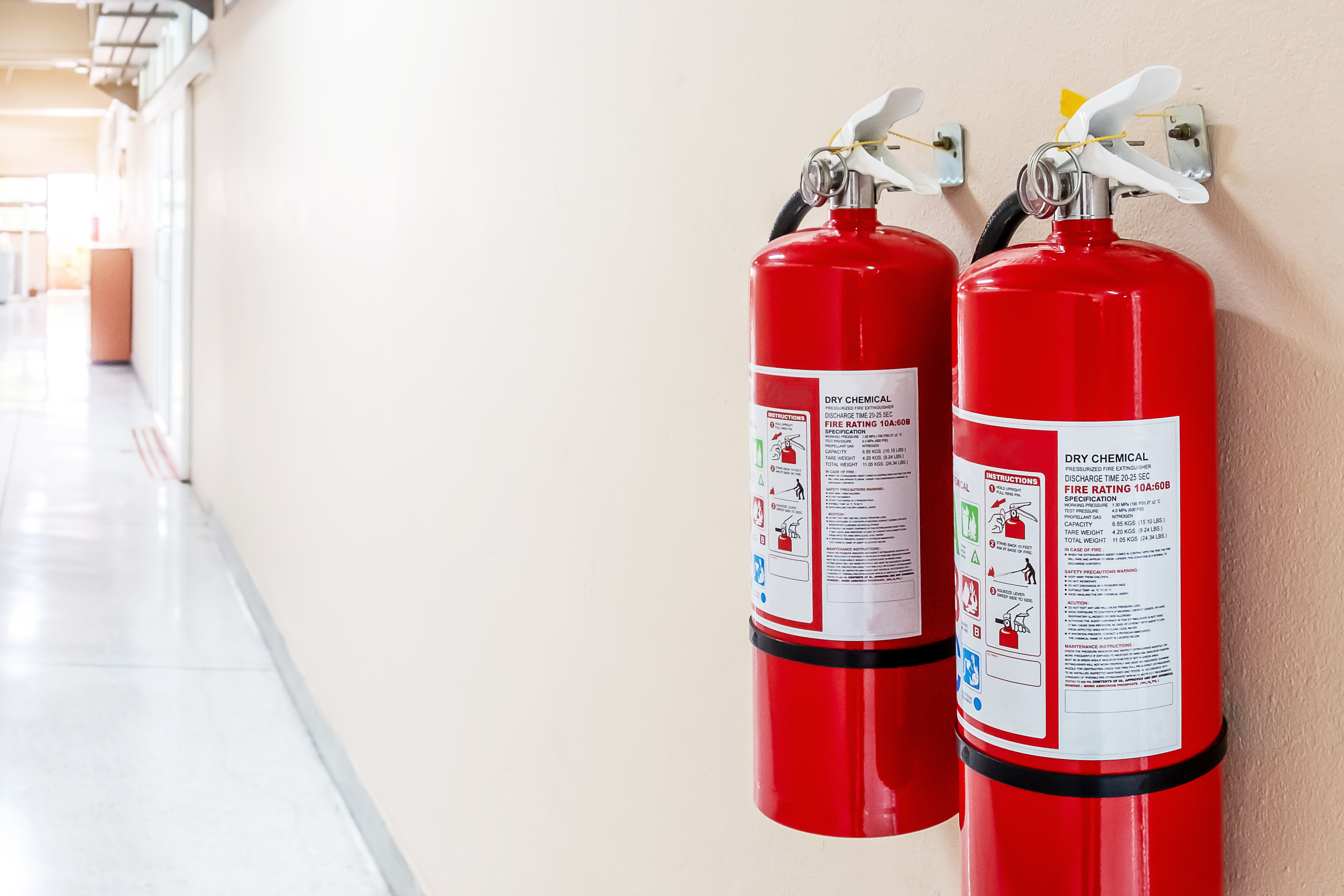
Key Steps to Navigate Fire Safety Compliance Without the Stress
Key Steps to Navigate Fire Safety Compliance Without the Stress
Fire safety compliance can feel like a maze of rules and inspections, especially when your business depends on smooth operations. Missing a step risks fines, hazards, or worse—but you don’t have to face it alone. We’ll walk you through clear, practical steps to manage fire protection services, fire suppression systems, and commercial kitchen safety with confidence and less worry. Contact Steel Mountain Fire & Safety today to schedule a comprehensive fire safety audit and ensure your business is compliant with all fire safety regulations. For more guidance, visit our fire safety compliance checklist.
Understanding Fire Safety Compliance
Navigating fire safety compliance can be tricky, but understanding essential regulations helps you stay ahead. Here's what you need to know.
Key Regulations to Know
The foundation of safety compliance lies in understanding local and national codes. For example, in North Carolina, regulations may include NFPA standards, which define how fire protection should be managed. Knowing these rules is crucial.
NFPA Standards: These include guidelines for fire suppression systems and kitchen safety.
Local Codes: Often vary, so ensure you're familiar with your area.
Remember, a single oversight could lead to fines or hazards, so staying informed is key. For more on compliance, check out this guide.
Common Compliance Challenges
Most businesses grapple with similar hurdles when addressing fire safety. Common challenges include keeping up with changing regulations and ensuring all equipment is up to date.
Changing Regulations: Laws can change, making it hard to stay compliant. Regular updates are essential.
Equipment Maintenance: Outdated or poorly maintained tools can fail inspections.
It's a common belief that once installed, fire safety systems need little attention. However, regular checks are vital to avoid hazards.
Importance of Regular Audits
Regular audits offer a proactive approach to ensure compliance. They help identify potential risks before they become major issues, offering peace of mind and safety.
Risk Identification: Early detection of problems can prevent costly mistakes.
Peace of Mind: Knowing your systems are compliant alleviates stress.
For practical fire safety tips, visit this resource.
Effective Fire Protection Strategies
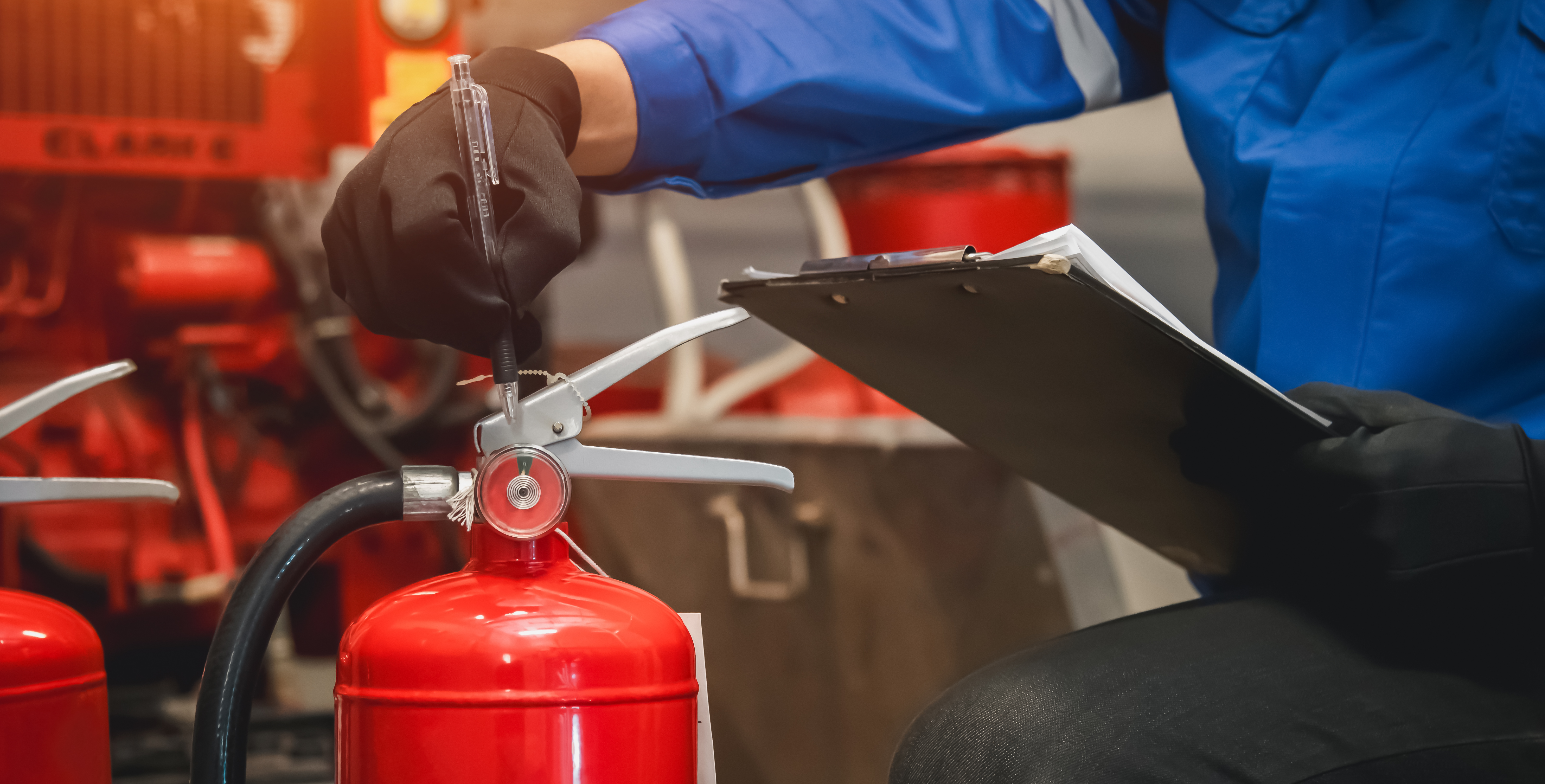
With compliance basics covered, let's explore strategies for effective fire protection. These approaches ensure safety and reliability.
Implementing Fire Suppression Systems
A robust fire suppression system is essential for any business. These systems detect fires early and act fast to minimize damage.
Types of Systems: From sprinklers to gas suppression, each has unique benefits. Choose what fits your needs.
Installation and Maintenance: Proper setup and regular checks ensure systems work when needed.
Most believe installation is the end step, but ongoing maintenance is crucial. Explore more about effective systems in this article.
Ensuring Commercial Kitchen Safety
Commercial kitchens present unique fire risks due to equipment and grease. Safety in these areas requires specific attention.
Regular Cleaning: Build-up of grease is a major hazard. Regular cleaning minimizes this risk.
Equipment Checks: Ensure all kitchen tools are functioning and meet safety standards.
Ignoring kitchen safety can lead to severe consequences. Prioritize regular inspections to avoid mishaps.
Benefits of Professional Fire Protection Services
Professional services provide expertise that simplifies compliance and enhances safety. With skilled technicians, you receive comprehensive support tailored to your needs.
Expertise and Support: Professionals offer peace of mind and thorough care.
Tailored Solutions: Services are customized to fit your business requirements.
For more insights, visit this website.
Building a Safety-First Culture
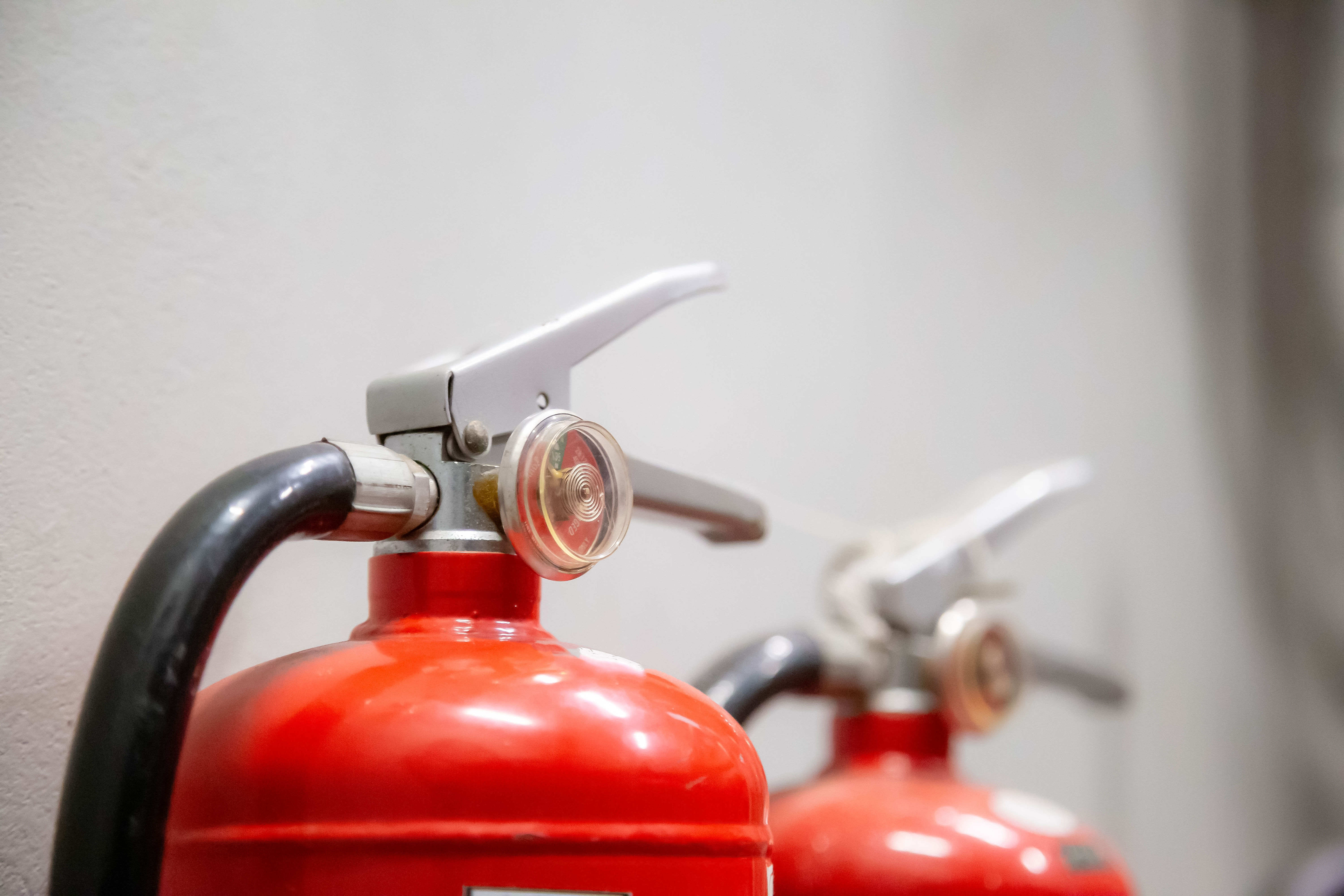
Creating a culture focused on safety ensures everyone plays a part in maintaining a secure environment. Let's explore how to engage your team.
Engaging Your Team in Safety
Safety is a team effort. Engaging employees in safety practices strengthens compliance and reduces risks.
Training Programs: Regular training keeps everyone informed and ready.
Open Communication: Encourage staff to share concerns or suggestions.
Most assume training is a one-time event, but ongoing education is vital for success. Here's the key insight: regular engagement boosts safety.
Scheduling Regular Fire Safety Audits
Frequent audits are a cornerstone of a safety-first culture. They keep systems functioning and ensure compliance.
Routine Checks: Scheduled audits identify issues before they escalate.
Compliance Assurance: Regular reviews guarantee adherence to all codes.
The longer you wait, the greater the risk. Make audits a priority to stay protected.
Community Responsibility and Involvement 🚒
Being part of the community means contributing to overall safety. Engaging with local safety initiatives showcases commitment and strengthens bonds.
Community Programs: Participate in local fire safety events.
Charity Involvement: Support causes that align with fire safety goals.
Supporting community safety not only protects others but reinforces your reputation as a responsible business.
By taking these steps, you ensure a secure environment for your business. Prioritize safety, engage professionals, and remember that compliance is an ongoing journey.
