How to Prepare Your Business for Fire Safety Inspections: Essential Tips for Facility Managers
How to Prepare Your Business for Fire Safety Inspections: Essential Tips for Facility Managers
Fire safety inspections can feel overwhelming when you’re juggling daily operations and compliance demands. Missing a key item on your fire safety inspection checklist could lead to costly violations or shutdowns. This guide breaks down exactly how to prepare your business for AHJ inspection preparation, helping you stay ahead of North Carolina fire code requirements with confidence.
Preparing for Fire Safety Inspections
Fire safety inspections are crucial for keeping your business compliant and safe. Understanding the requirements helps you avoid pitfalls and costly errors.
Understanding AHJ Requirements
Did you know that each Authority Having Jurisdiction (AHJ) might have unique demands? Navigating these can seem tricky, but knowing what's required makes it manageable. Start with a checklist that includes local fire codes and any specific mandates from your AHJ. Regularly review these documents to ensure you're up-to-date. This proactive approach saves time and reduces stress during inspection times.
NFPA Compliance Essentials
Compliance with the National Fire Protection Association (NFPA) standards is a cornerstone of fire safety. These guidelines cover everything from fire extinguishers to alarm systems. Begin by familiarizing yourself with NFPA 10 for fire extinguishers and NFPA 96 for commercial kitchen exhaust systems. Regularly consult these standards to confirm your equipment and procedures meet all necessary criteria. By doing so, you not only enhance safety but also mitigate potential fines.
Scheduling Pre-Inspection Readiness
Creating a timeline for pre-inspection readiness is key. Plan routine checks at least a month before the actual inspection date. This gives you ample time to address any issues that might arise. A good practice is conducting a mock inspection with your staff. This helps identify potential problems and ensures everyone knows their role. Remember, the longer you wait, the more you're at risk for compliance issues.
Key Services for Facility Managers
Facility managers play a vital role in ensuring fire safety. Key services help maintain compliance and protect your business from unexpected shutdowns.
Fire Extinguisher Inspection NFPA 10
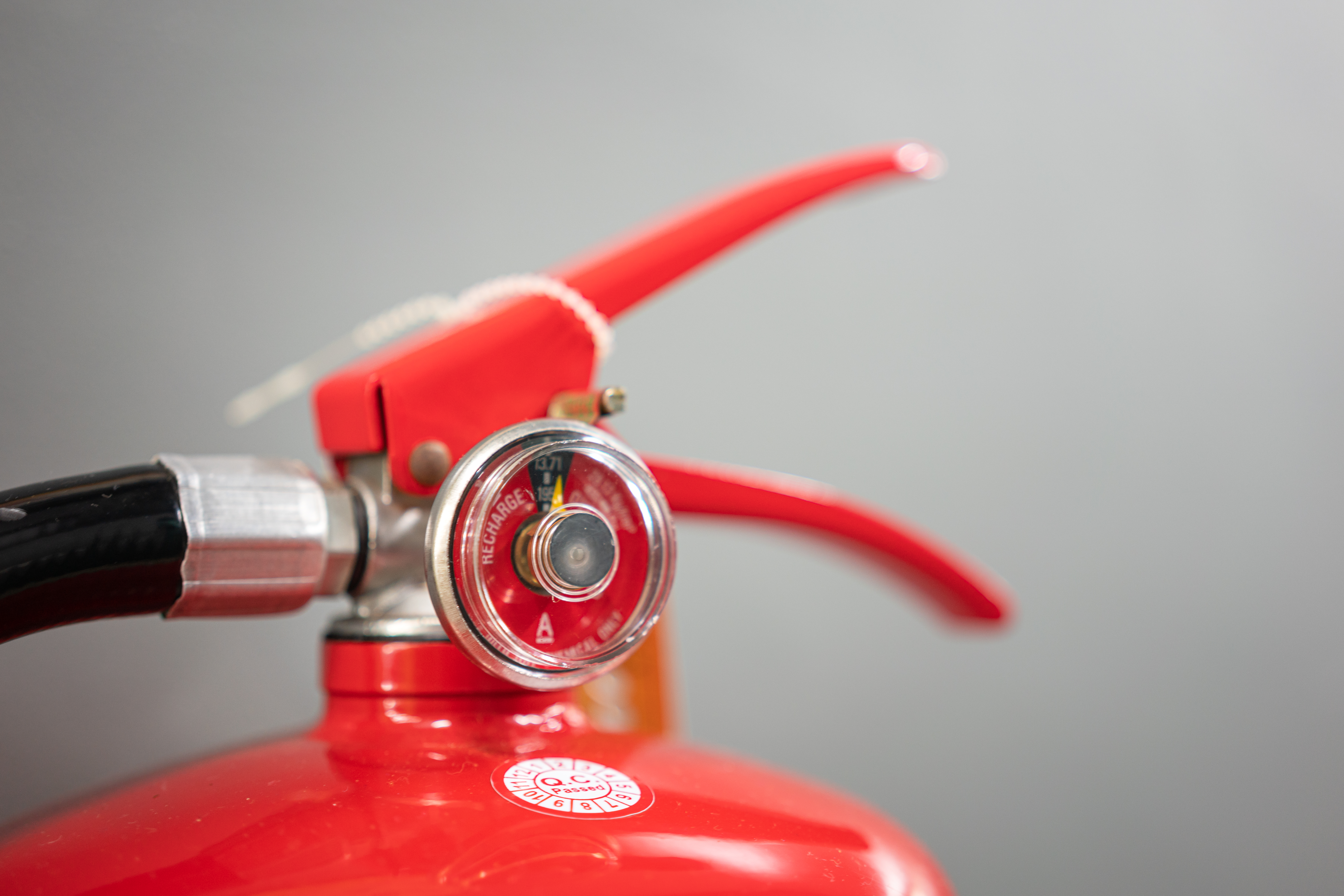
Ensuring your fire extinguishers are in top-notch condition is crucial. Regular inspections, as per NFPA 10, should be a part of your safety routine. These inspections verify that extinguishers are charged, undamaged, and easily accessible. Monthly visual checks followed by annual professional inspections can prevent small issues from becoming big problems. Most people overlook these simple steps, but they can save lives.
UL 300 Suppression System Inspection
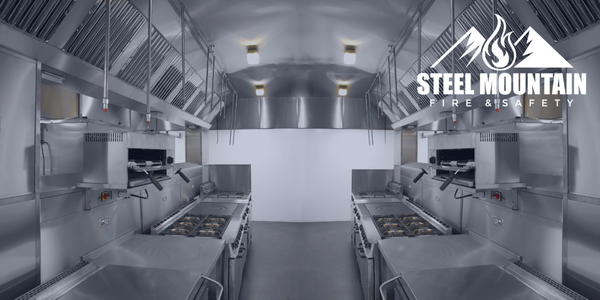
For those with commercial kitchens, UL 300 inspections are non-negotiable. These systems are designed to handle grease fires, common in restaurant settings. Schedule semi-annual inspections to ensure all components function correctly. Technicians will assess nozzles, pipes, and the suppression agent. This routine maintenance keeps your kitchen safe and compliant with fire safety standards.
Commercial Kitchen Hood Cleaning NFPA 96
Kitchen hoods, over time, accumulate grease, posing a significant fire hazard. NFPA 96 outlines the need for regular hood cleaning to mitigate these risks. Depending on your kitchen's volume, schedule hood cleanings quarterly or semi-annually. This practice not only ensures compliance but also extends the life of your equipment. A clean hood is an investment in your business's safety.
Enhancing Safety and Compliance
Beyond inspections, continual safety improvements are essential. This section explores strategies to elevate your facility's fire safety standards.
Emergency Lighting Testing and Egress Path
Imagine a power outage during an emergency. Would your team find exits easily? Emergency lighting and clear egress paths are critical. Regular testing of emergency lights ensures they function when needed. Walk through egress paths to confirm they are unobstructed and clearly marked. This attention to detail can make all the difference in an emergency.
Fire Safety Training for Employees
Your first line of defense is a well-trained staff. Conduct regular fire safety training sessions to empower employees with the knowledge they need during emergencies. Cover essential topics like evacuation routes, extinguisher use, and alarm systems. By fostering a culture of safety, you create a team ready to act swiftly and confidently when it matters most.
Addressing Code Violation Remediation
Sometimes inspections reveal code violations. Addressing these promptly is crucial to maintaining compliance. Develop a remediation plan that prioritizes high-risk issues. Engage a qualified technician to make necessary repairs or updates. Staying proactive not only resolves current problems but also prevents future ones, ensuring your facility remains safe and operational.
In summary, thorough preparation for fire safety inspections protects your business and ensures compliance. By understanding requirements, maintaining key systems, and investing in safety improvements, you're well-positioned to meet all fire safety standards. For more insights on facility management and safety compliance, explore guides on mastering inspection facility management or check out comprehensive fire safety inspection checklists.
