How to Prepare Your Business for Fire Safety Compliance During Peak Summer Operations
How to Prepare Your Business for Fire Safety Compliance During Peak Summer Operations
Summer heat raises more than just temperatures—it also raises fire risks in your business. You can’t afford to overlook summer fire safety compliance during your busiest months. This guide lays out crucial steps to meet North Carolina fire code, including an NFPA compliance checklist tailored for peak season operations. Read on to protect your facility with expert tips on kitchen exhaust cleaning, suppression system maintenance, and staff fire safety training. For more tips, check out this practical guide.
Understanding Summer Fire Safety Compliance
Summer poses unique fire risks that can impact your business operations. Understanding these risks can help you take proactive steps to protect your facility.
Seasonal Fire Risks for Businesses
During summer, businesses face increased fire hazards due to high temperatures and dry conditions. This can lead to spontaneous ignitions or exacerbation of existing fire risks. For example, electrical systems may overheat, and flammable materials may become more volatile. It's crucial to be aware of these risks and take steps to mitigate them. Regularly inspect electrical systems and keep flammable materials stored safely and away from heat sources.
NFPA Compliance Checklist Essentials
Meeting the National Fire Protection Association (NFPA) standards during summer is essential for business safety. An NFPA compliance checklist can guide you in identifying potential fire hazards and ensuring that all safety protocols are in place. Key areas to focus on include verifying that fire extinguishers are accessible and operational, ensuring that emergency exits are clear, and conducting regular fire drills.
Importance of Fire Safety Training
Fire safety training is vital for preparing your staff to respond effectively in case of a fire. Employees should know how to use fire extinguishers and understand evacuation procedures. Conduct regular training sessions to keep fire safety top of mind, and consider incorporating fire safety as part of the onboarding process for new employees. This ensures everyone knows their role in maintaining a safe workplace.
Key Compliance Steps for Peak Season
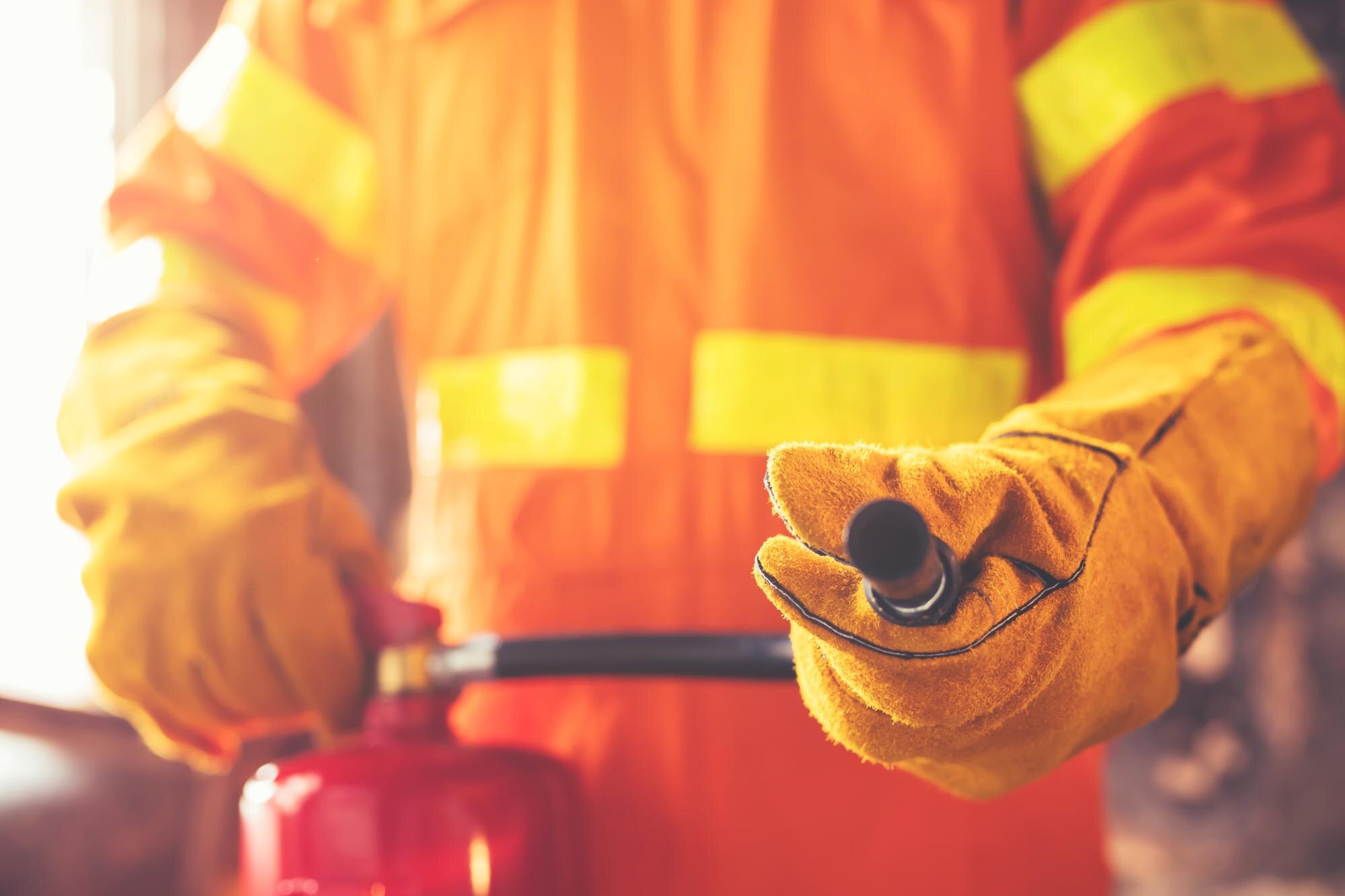
As summer reaches its peak, it's crucial to ensure your fire safety measures are in top shape. Here are key steps to consider for fire safety compliance during this busy period.
Fire Extinguisher Inspection Guidelines
Regular fire extinguisher inspections are critical for safety compliance. Ensure that each extinguisher is easily accessible and properly charged. Check for any physical damage or signs of tampering. Record inspection dates and results to maintain a log for compliance purposes. This simple step can prevent a small fire from becoming a large disaster.
Suppression System Maintenance Tips
Fire suppression systems require regular maintenance to function effectively. Schedule semi-annual inspections to assess the system's condition and perform necessary repairs. Testing the system's response time and ensuring the system is free from obstructions are also important steps. These measures help ensure the system is ready to operate in an emergency.
NFPA 96 Kitchen Hood Cleaning
In commercial kitchens, NFPA 96 compliance is crucial for preventing grease fires. Regular cleaning of kitchen hoods is necessary to remove grease buildup. Depending on the volume of cooking, cleaning may be required monthly or quarterly. Partner with a professional cleaning service to ensure compliance and safety in your kitchen operations.
Preparing Your Business for Inspections

Regular inspections are necessary to ensure ongoing compliance with fire safety standards. Preparing for inspections can save time and prevent potential fines.
Conducting a Facility Fire Safety Audit
A comprehensive fire safety audit helps identify areas needing improvement. Conduct an audit to assess fire risks and implement necessary changes. Focus on areas such as emergency exits, fire alarms, and sprinkler systems. Address any findings promptly to maintain a safe environment for your employees and customers.
Importance of Emergency Lighting Testing
Emergency lighting is a critical component of a fire safety plan. Regular testing ensures that lights will function during an emergency. Replace any faulty bulbs or backup batteries immediately. This ensures safe egress during low visibility situations, such as during a fire or power outage.
Crafting a Business Fire Safety Plan
Having a well-crafted fire safety plan is essential for any business. This plan should outline evacuation procedures, contact information for emergency services, and roles for employees during an emergency. Update the plan regularly and communicate it to all staff members. A solid plan provides clear guidance when every second counts.
By following these guidelines, you can ensure your business is prepared for summer fire safety compliance. With the right steps in place, you can protect your business, employees, and customers from potential fire hazards. For more detailed compliance tips, explore this resource.
