How Fire Suppression Systems Support Safer, More Reliable Business Operations
How Fire Suppression Systems Support Safer, More Reliable Business Operations
Fire risks can halt your business in an instant, costing time, money, and trust. Properly designed fire suppression systems don’t just protect your property—they keep your operations running smoothly. In this post, you’ll learn how the right system supports business continuity fire safety, meets NFPA compliance, and shields your facility from costly interruptions. For more information, explore this resource on the importance of fire protection for businesses.
Importance of Fire Suppression Systems
Understanding the role of fire suppression systems is crucial for any business. These systems are more than just a safety measure; they are a key component in maintaining seamless operations. Let’s explore how they reduce risks, ensure business continuity, and meet compliance standards.
Reducing Risk and Ensuring Safety
Fire suppression systems are designed to stop fires in their tracks, protecting both people and property. With systems like UL 300 wet chemical for kitchens, you can tackle grease-related fires effectively. This not only safeguards employees but also minimizes damage. Did you know that businesses with fire suppression systems reduce fire-related incidents by about 30%? This statistic highlights why having the right system is critical. For further insights, check out this blog on fire suppression benefits.
Protecting Business Continuity
A fire can disrupt operations significantly, causing downtime and financial loss. With a reliable system in place, you can keep your business running smoothly even during emergencies. Think of it as a shield that defends your operations. Most people assume fires are rare, but being prepared ensures you're not caught off-guard. This proactive approach sets you apart and keeps clients confident.
Meeting NFPA Compliance Requirements
Compliance with standards like NFPA 96 is not just about avoiding fines; it’s about ensuring safety and reliability. Systems that meet these standards are trusted to perform under pressure. Regular inspections and maintenance further guarantee compliance, making your business a model of responsibility. Businesses that prioritize compliance often enjoy better reputations and customer trust.
Types of Fire Suppression Systems
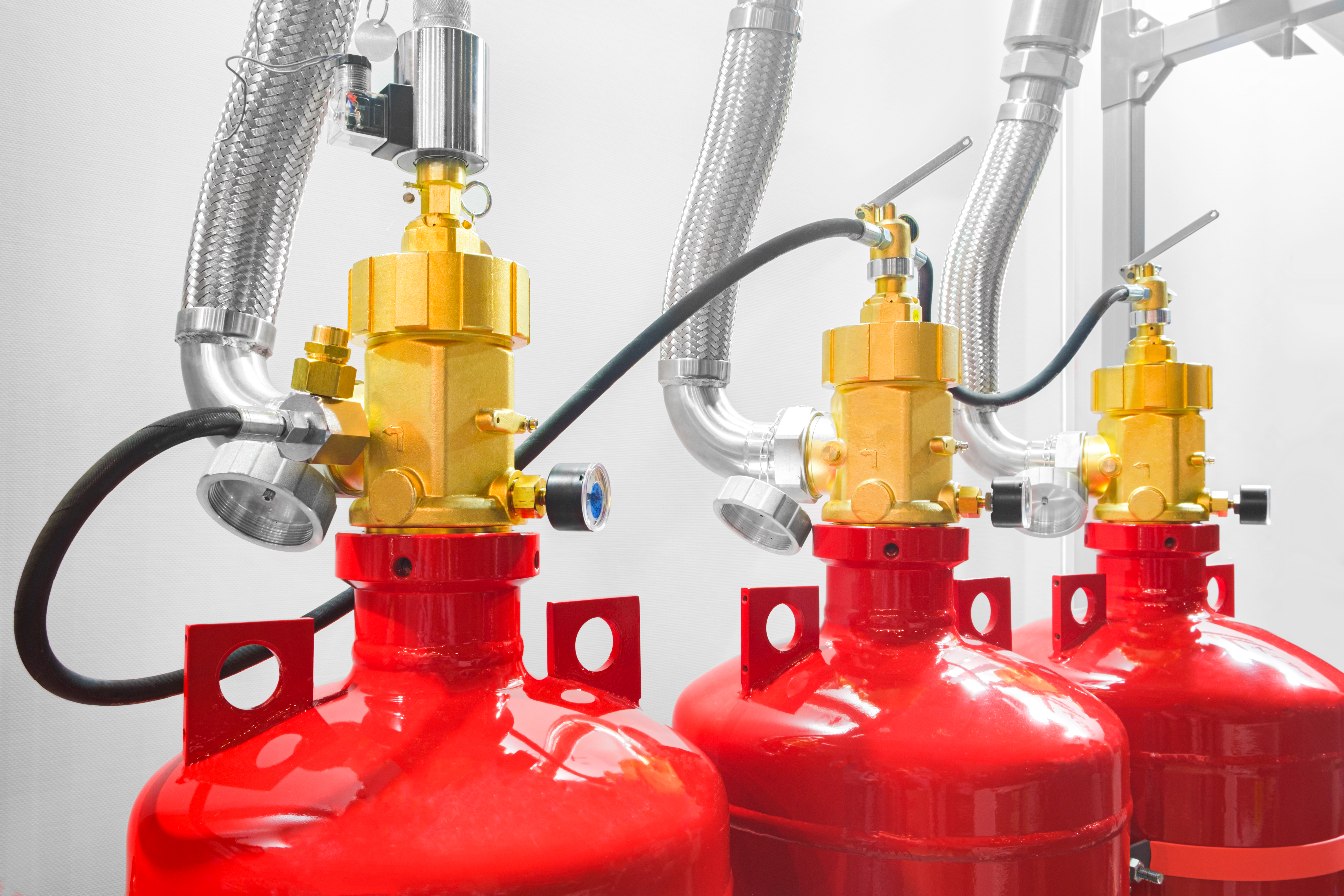
Different environments require tailored solutions. Understanding the variety of fire suppression systems can guide your choice in protecting specific areas of your business.
UL 300 Wet Chemical Systems
Ideal for commercial kitchens, UL 300 systems target grease fires with precision. They release a wet chemical agent that quickly cools the flames and prevents re-ignition. This method is especially crucial in busy kitchens where traditional methods fall short. Not only do these systems protect equipment, but they also ensure staff safety, keeping operations running smoothly. Explore more about how these systems work in this detailed guide.
Clean Agent Fire Suppression
For businesses handling sensitive data or electronics, clean agent systems are invaluable. Unlike water, these agents don’t damage equipment, making them perfect for server rooms. They rapidly extinguish fires without leaving residue. This means your business can resume operations without costly cleanups or replacements. Curious about the benefits? This article offers a deeper dive into their advantages.
Special Hazard Protection Solutions
Certain industries face unique fire risks, requiring specialized solutions. From chemical plants to data centers, these systems are engineered to address specific hazards effectively. They employ advanced technologies to detect and suppress fires before they spread. By investing in these systems, you safeguard high-risk areas, ensuring safety and compliance. Most assume these systems are a luxury, but they are a necessity for high-risk environments.
Maintaining Effective Fire Safety Systems
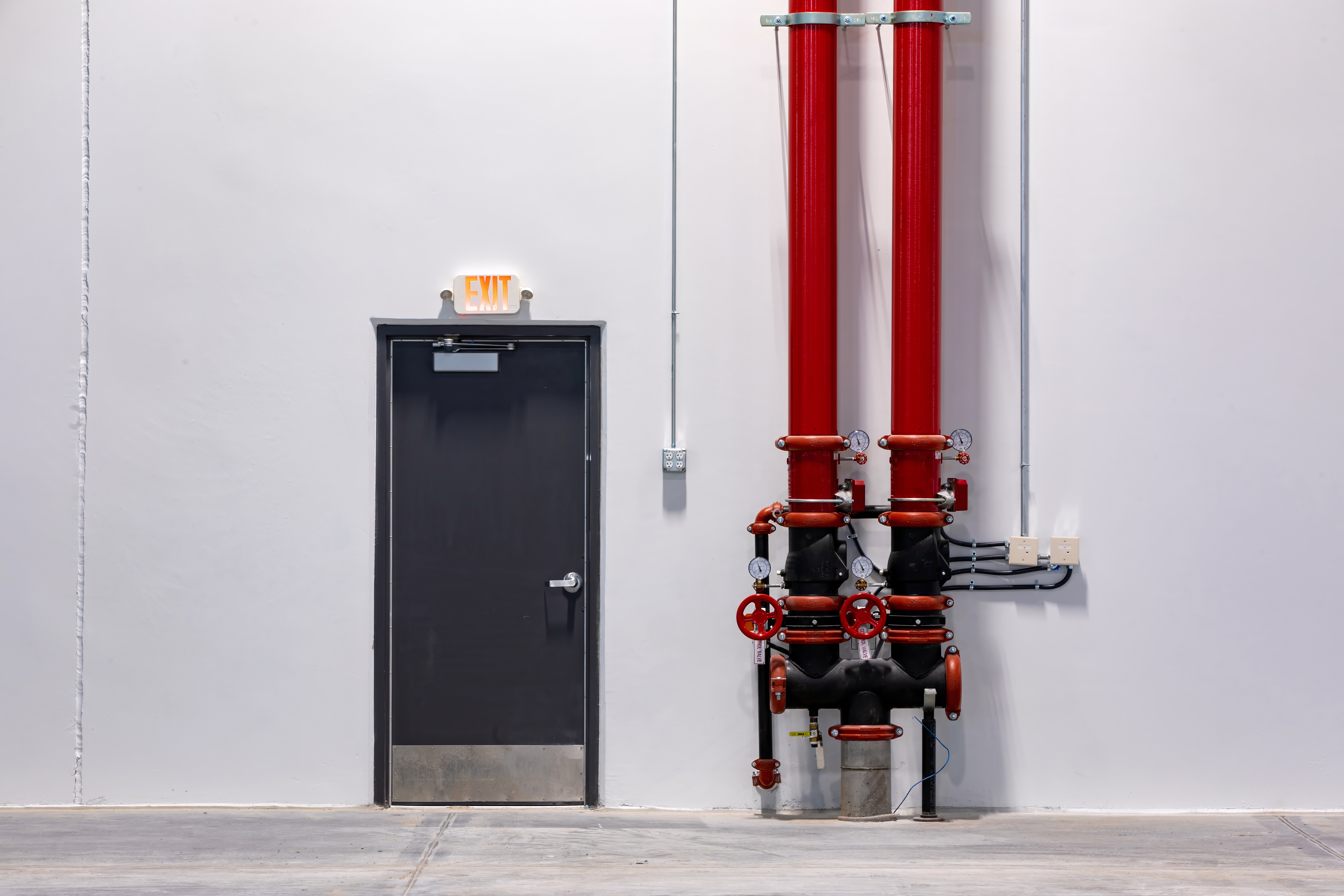
Having a system is just the beginning. Regular maintenance ensures it functions when needed most. Let’s look at how to keep your system in top shape.
Regular Fire System Inspection and Maintenance
Routine inspections are your first line of defense against system failures. Experts recommend checking systems every six months to catch potential issues early. This proactive approach saves you time and money in the long run. Regular inspections not only ensure compliance but also extend the life of your equipment. Neglecting this can lead to costly consequences.
Code-Required Testing and Retrofits
Codes like NFPA 17A require specific testing to verify system effectiveness. Regular testing and necessary retrofits keep your system compliant and functional. As codes update, staying current with requirements protects your business from penalties and safety risks. This commitment to compliance reflects your dedication to safety and professionalism.
Scheduling a Professional Consultation
An expert consultation can identify your unique fire safety needs. Professionals can provide tailored solutions and maintenance schedules that align with your business goals. This personalized service ensures you get the most out of your investment, offering peace of mind that your business is protected. Don’t wait until it’s too late; securing your operations now can prevent future headaches.
By understanding and maintaining your fire suppression systems, you not only comply with standards but also protect your business, employees, and clients. Investing in these systems is more than a regulatory requirement—it’s a commitment to safety and reliability.
