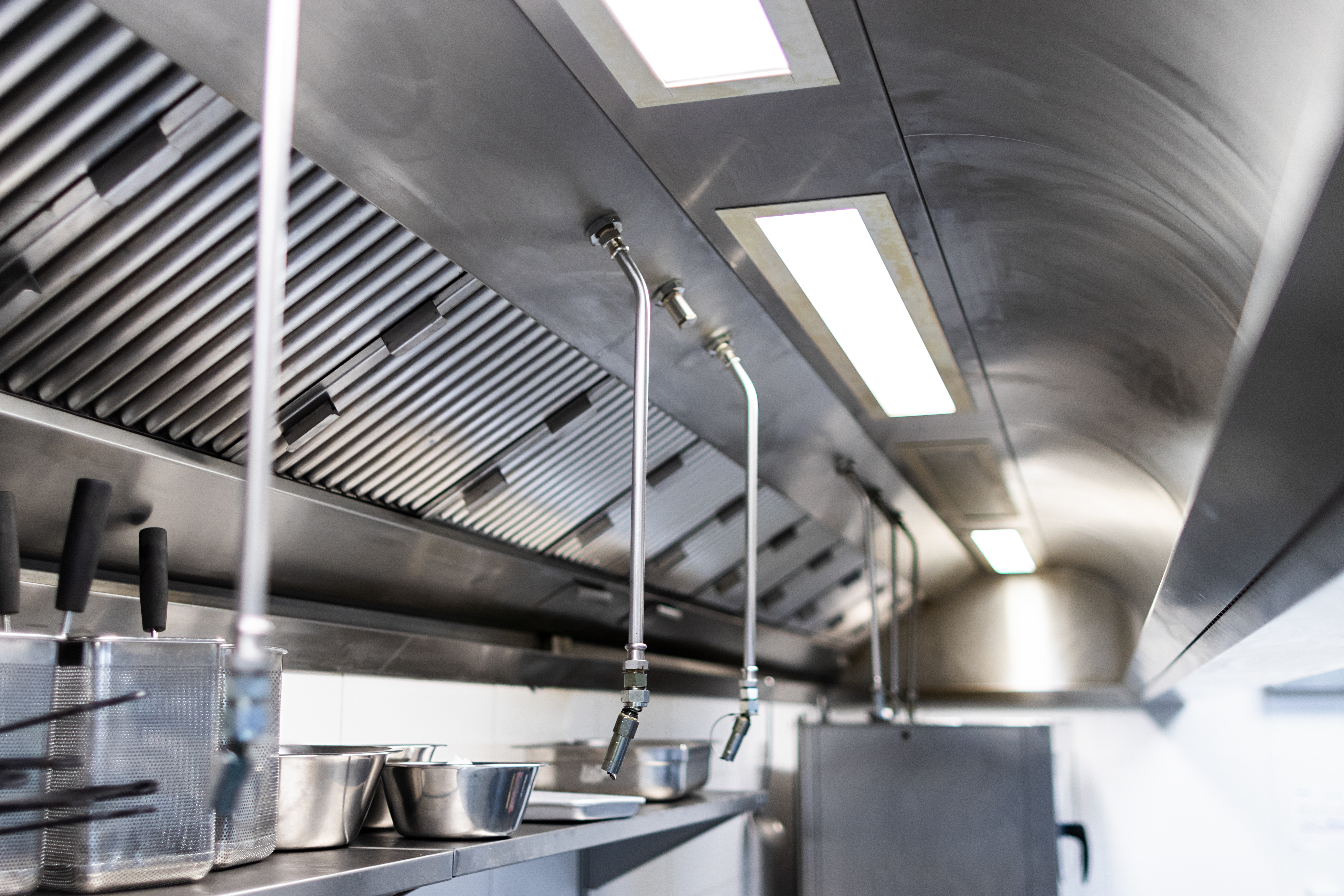
How Customized Fire Suppression Systems Enhance Safety and Compliance in Commercial Kitchens
How Customized Fire Suppression Systems Enhance Safety and Compliance in Commercial Kitchens
Most commercial kitchens use one-size-fits-all fire suppression systems that leave gaps in safety and compliance. Your kitchen’s unique layout and appliance mix demand a customized fire suppression system designed to meet NFPA 96 and UL 300 standards precisely. This tailored approach not only reduces fire risks but also streamlines inspections and keeps your operation running smoothly. Keep reading to learn why customized fire suppression systems are essential for your commercial kitchen’s safety and compliance. For more information on commercial kitchen fire suppression systems, you can check this link.
Boosting Kitchen Safety and Compliance
Importance of Customized Systems
Imagine your kitchen is a bustling hub with unique challenges. Standard solutions often fall short, leaving vulnerabilities. A tailored fire suppression system addresses these gaps, ensuring your kitchen meets all safety standards and stays protected.
Customized systems are designed with your specific needs in mind. They take into account your kitchen layout and the appliances you use. This approach ensures that every corner of your kitchen is covered, reducing fire risks significantly. With tailored solutions, you can be confident in your compliance with industry standards like NFPA 96 and UL 300. For more insights, explore this article.
Streamlining Inspections and Maintenance
Regular inspections are crucial to maintaining safety. Customized systems make this process smoother by aligning with your kitchen's unique configuration. This alignment simplifies maintenance tasks, making them quicker and more effective.
When your system is tailored, inspections become a breeze. Technicians can easily access components, reducing downtime for your business. Routine maintenance is also more efficient, as every part of your system is designed to work together seamlessly. This not only saves time but also ensures that your kitchen remains compliant and safe.
Key Components of Effective Suppression
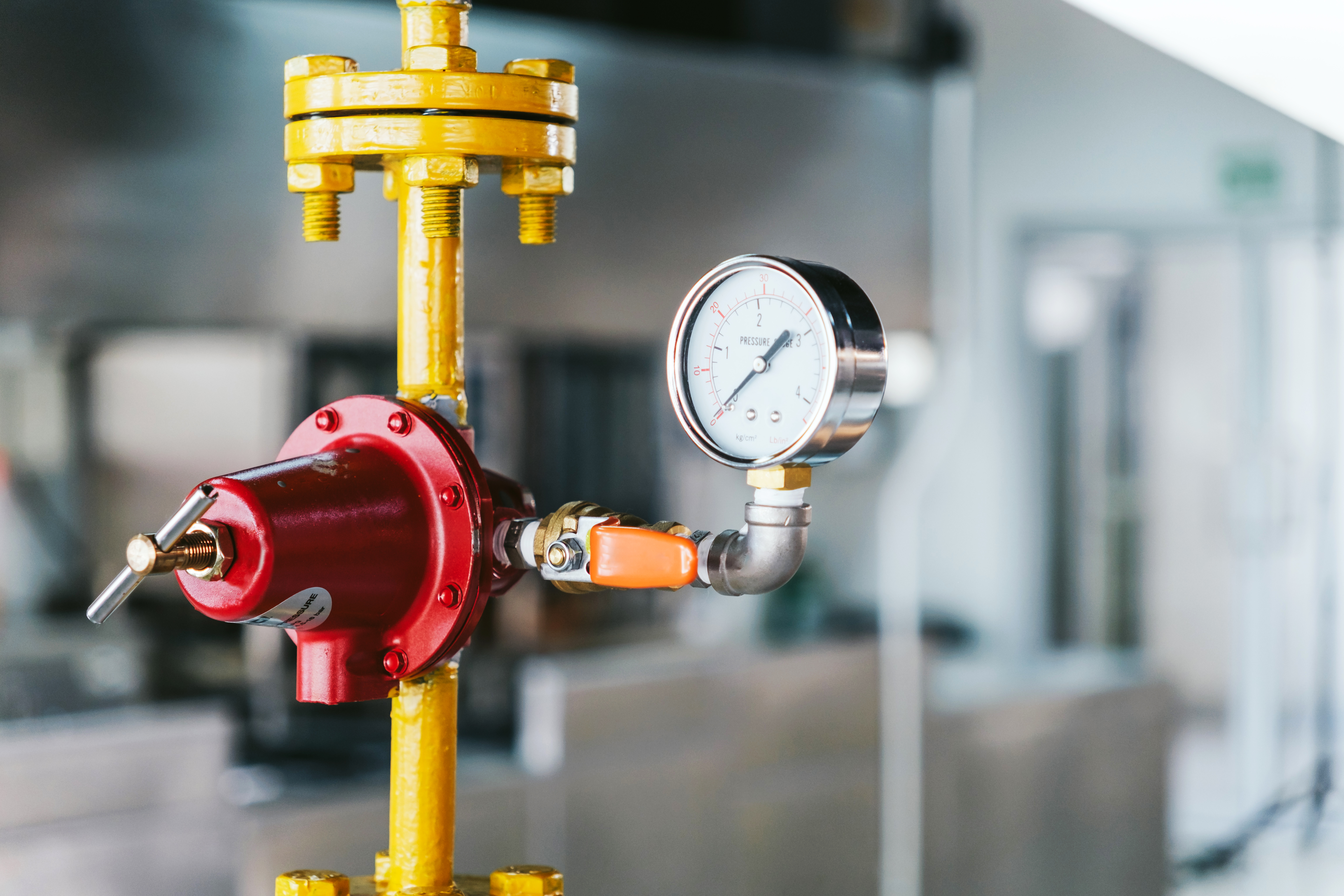
NFPA and UL 300 Standards
Meeting NFPA and UL 300 standards is non-negotiable for any commercial kitchen. These standards are the backbone of fire safety, ensuring that your suppression system is up to the task when it matters most.
NFPA 96 focuses on ventilation control and fire protection, while UL 300 sets the criteria for fire suppression systems. Together, they form a comprehensive safety net for your kitchen. By adhering to these standards, you ensure that your kitchen is protected against fires and compliant with regulations. Dive deeper into the importance of these standards with this detailed guide.
Nozzle Placement and Appliance Interlocks
Precision is key in fire suppression. Proper nozzle placement and appliance interlocks ensure that fires are quickly detected and suppressed before they can spread. This attention to detail can make all the difference in an emergency.
Nozzle placement is about targeting the right areas. By considering the layout of your kitchen, the system can respond swiftly to any incident. Appliance interlocks add another layer of safety by automatically shutting off fuel sources during a fire. This combination of features minimizes damage and enhances safety, giving you peace of mind.
Expert Services for Fire Safety

Comprehensive Hazard Assessments
Understanding potential hazards is the first step in fire safety. Expert assessments provide a detailed evaluation of risks, allowing you to address them proactively.
During an assessment, professionals examine your kitchen's layout, equipment, and operations. They identify potential fire hazards and recommend tailored solutions to mitigate them. This proactive approach ensures that you are always prepared and compliant with safety standards. For more on fire protection systems, visit this link.
Regular Maintenance and Recharge Services
Keeping your fire suppression system in top condition requires regular maintenance. This includes routine inspections, cleaning, and recharging of your system to ensure it functions optimally when needed.
Maintenance services focus on checking every component of your system. From the suppression agent to the nozzles and interlocks, each part is inspected and serviced. Recharging ensures that your system is ready to tackle any fire emergency. This ongoing care not only extends the life of your system but also guarantees compliance with safety regulations. Learn about the benefits of regular maintenance here.
By prioritizing customized fire suppression systems, you enhance the safety and compliance of your commercial kitchen. These systems provide peace of mind and ensure that your kitchen remains a safe environment for everyone.
