
Fire Extinguisher Service for Businesses: What to Review Before Your Next Inspection
Fire Extinguisher Service for Businesses: What to Review Before Your Next Inspection
Most businesses miss key steps before their annual fire extinguisher service, risking costly delays and compliance issues. If your extinguishers aren’t ready for inspection, you could face fines or worse—a fire hazard left unchecked. Learn what to review before your next fire extinguisher inspection to keep your business safe and meet NFPA 10 compliance with confidence.
Preparing for a Fire Extinguisher Inspection
Before diving into the details of inspection preparation, let's focus on creating a checklist to ensure nothing is overlooked.
Essential Pre-Inspection Checklist
Your fire extinguisher inspection starts with a thorough checklist. Start by checking the pressure gauge. Is it in the green? This indicates the extinguisher is ready to perform. Next, examine the tamper seals. If they're intact, it means the extinguisher hasn't been used or tampered with.
Don't forget to look for any obvious physical damage. Dents or corrosion can indicate that an extinguisher might not work properly during a fire. Keep an eye on the expiration date too. If it's past due, it needs servicing right away.
Understanding NFPA 10 Compliance
Knowing NFPA 10 standards is key to keeping your business compliant. These standards specify everything from the location of extinguishers to their maintenance. For example, extinguishers must be mounted at a specific height for quick access.
NFPA 10 also requires that inspections are conducted annually by professionals like those at Steel Mountain Fire & Safety. They ensure your equipment is up to date and functioning properly. Regular compliance checks can help you avoid fines and maintain safety.
Addressing OSHA Fire Extinguisher Requirements
OSHA standards are essential for workplace safety. They dictate that all employees must know how to use an extinguisher properly. Training should be part of your annual safety review.
Workplaces must have enough extinguishers to cover floor space effectively. Each extinguisher should be clearly labeled and easily accessible. If you’re not sure if your setup meets OSHA requirements, consult with experts. They can provide guidance tailored to your specific needs.
Key Components of Fire Extinguisher Maintenance
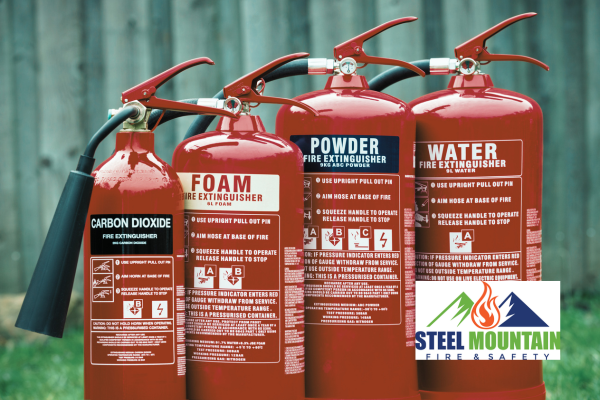
Once the pre-inspection checklist is complete, it's time to focus on maintenance. This ensures your fire extinguishers are always ready to use.
Annual Fire Extinguisher Service Essentials
Annual service is a must for keeping extinguishers in top condition. This involves a detailed inspection by certified technicians. They'll check the extinguisher's pressure, seals, and overall condition.
Technicians will also update maintenance record tags to keep track of service history. This is crucial for compliance and can help avoid potential fines. Make sure to schedule your service in advance to avoid any last-minute issues.
Monthly Visual Inspection Checklist
Monthly checks are quick but crucial. Look at the pressure gauge to ensure it's in the safe zone. Check for any visible damage or obstructions that might prevent easy access.
Ensure the mounting brackets are secure. Loose brackets can cause the extinguisher to fall, possibly leading to damage. A few minutes each month can save you a lot of trouble down the line.
Importance of Six-Year Maintenance
Every six years, a more thorough maintenance check is needed. This involves disassembling the extinguisher to check internal components. Any worn parts will be replaced to ensure reliability.
This service is essential for long-term safety and compliance. Neglecting this can lead to malfunction during an emergency, putting lives and property at risk.
Specialized Fire Extinguisher Services
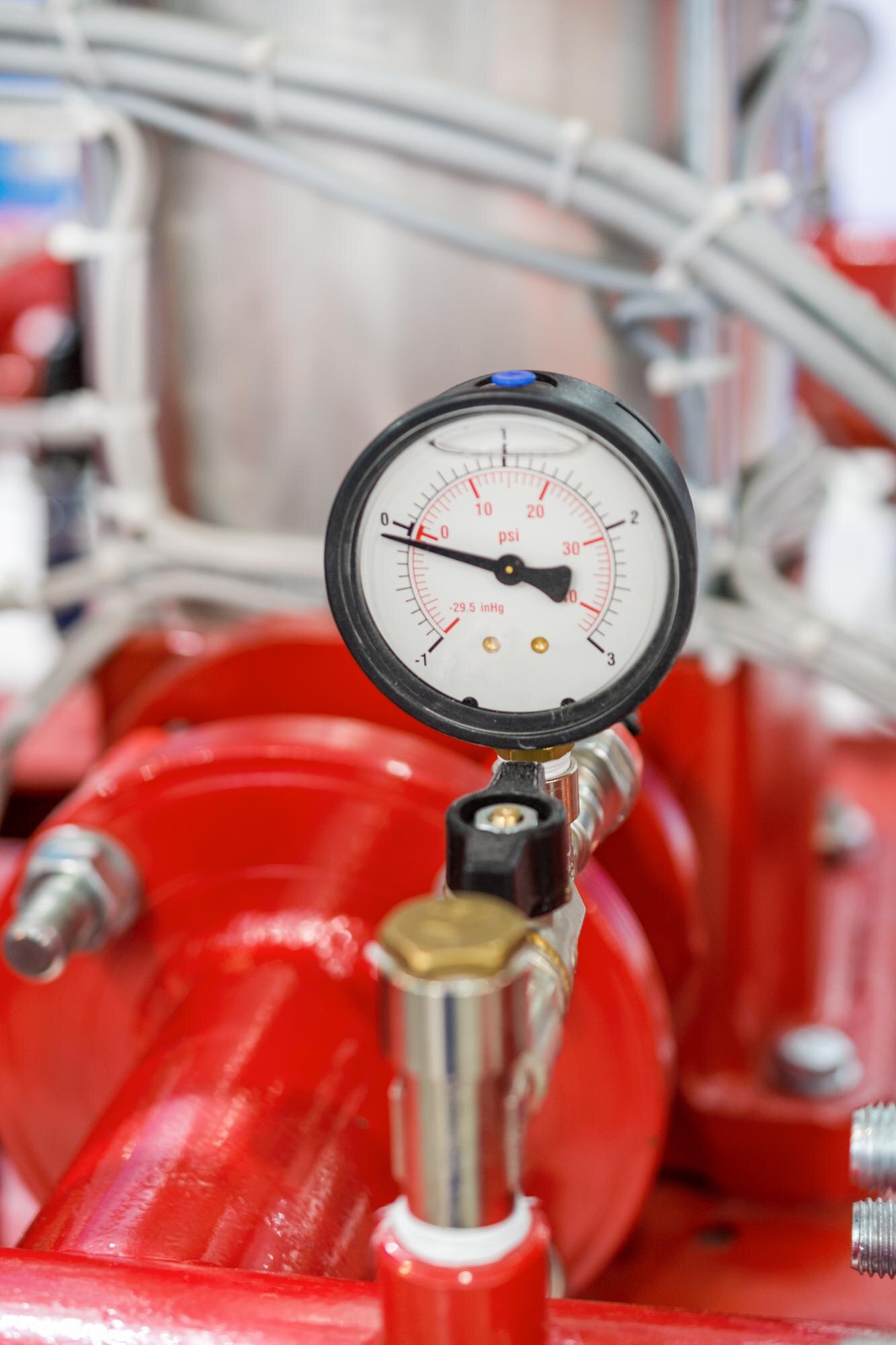
Beyond standard maintenance, some situations call for specialized services. Learn what these involve to be fully prepared.
Recharge Fire Extinguisher Protocols
If your extinguisher has been used, it needs recharging. This service ensures it's filled to the correct level and ready for future use. Even if it was only partially used, recharging is necessary.
Regular checks and refills are part of maintaining a reliable fire safety plan. Don’t wait for an emergency to find out your equipment is undercharged.
Hydrostatic Testing and Safety
Hydrostatic testing checks the durability of the extinguisher's shell. This is a safety measure to prevent failure under pressure. It's required every 12 years for most types.
This test ensures the extinguisher can withstand pressure without rupturing. It's a critical part of maintaining safety standards.
Class K and ABC Extinguishers Explained
Different types of extinguishers serve different purposes. Class K extinguishers are ideal for kitchen fires, dealing with grease and oils. ABC extinguishers are more versatile, suitable for most fires you might encounter.
Choosing the right extinguisher for your setting is crucial. Consult with experts to ensure you have the right mix for your environment.
By preparing thoroughly for inspections and maintaining your fire extinguishers, you can ensure the safety of your business while meeting all necessary compliance standards. Keeping up with these practices not only protects your property but also saves lives. For further guidance on fire safety, consider reaching out to professionals who can offer tailored advice and support.
