Facility Managers’ Fire Safety Playbook: Top Strategies to Stay Compliant and Protect Your Team
Facility Managers’ Fire Safety Playbook: Top Strategies to Stay Compliant and Protect Your Team
Most facility managers spend hours juggling inspections, maintenance, and training, only to face surprise fire code compliance audits. Missing a single detail can risk your team’s safety and your building’s certification. This guide lays out clear strategies to keep your facility on track with fire safety compliance, including practical steps and how Steel Mountain Fire & Safety supports you with reliable inspections, digital reporting, and expert maintenance. For more information, check out this resource.
Essential Fire Safety Compliance
Understanding fire safety compliance is crucial for facility managers. Staying informed on regulations will help keep your building safe and compliant.
NFPA Compliance Overview
The National Fire Protection Association (NFPA) sets the standards for fire safety. Knowing these standards is key to protecting your facility. The NFPA develops codes that cover everything from fire extinguishers to complete fire suppression systems. Your role in this is to ensure these codes are followed. This means regular inspections and updates as new standards evolve. Staying current with NFPA guidelines ensures that your facility is always ready for an audit. For more on NFPA standards, visit this article.
OSHA Fire Safety Requirements
OSHA, or the Occupational Safety and Health Administration, is another critical body in fire safety regulation. They focus on protecting employees in the workplace. Their requirements include maintaining clear exit routes, providing fire extinguishers, and ensuring proper signage. Compliance with OSHA not only keeps your facility safe but also protects your employees. Regularly reviewing and updating your safety practices can prevent penalties and enhance workplace safety.
Actionable Fire Safety Strategies
Let's dive into practical steps you can take now. These strategies will help you manage compliance effectively.
Facility Manager Fire Safety Checklist
Creating a checklist is a simple yet effective way to manage fire safety. Start with a weekly walk-through. Look for potential hazards like blocked exits or malfunctioning alarms. Include monthly tasks: inspect fire extinguishers and test emergency lighting. Quarterly, review your fire safety plan with your team. An annual review of your entire fire safety program keeps you on track. This checklist becomes your go-to tool, ensuring no detail is overlooked. Explore more checklist insights here.
Fire Extinguisher Inspection Best Practices
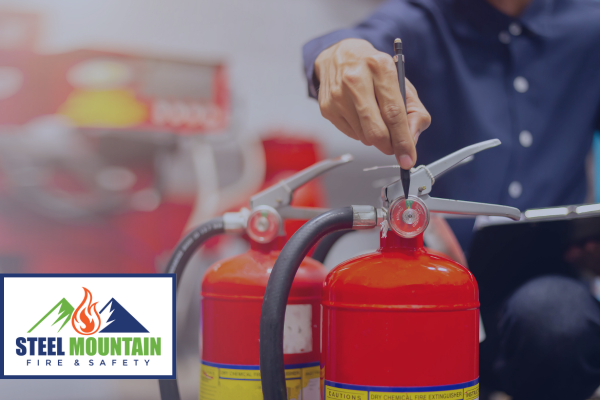
Fire extinguishers are your first line of defense. Ensure they are accessible and in working order. Monthly inspections should include checking pressure gauges and looking for signs of damage. Annually, a professional service should inspect and certify your extinguishers. Train your staff to use them correctly. This training not only boosts confidence but also ensures quick action in an emergency. Regular maintenance and training create a robust safety net.
Maintenance and Inspection Excellence
Regular maintenance and inspections are vital. They ensure that your safety systems are ready when needed.
Fire Suppression System Maintenance
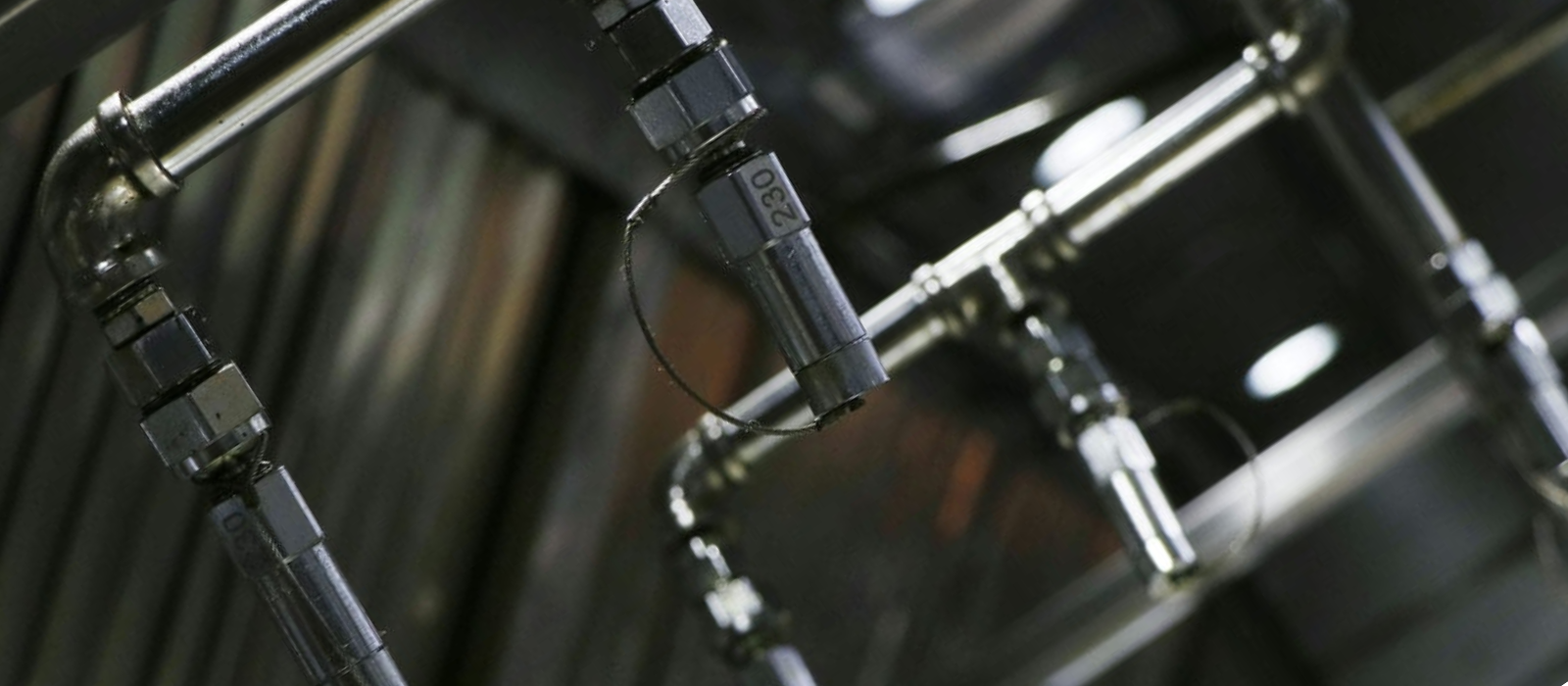
Your fire suppression systems need regular attention. Schedule semi-annual checks with a certified technician. They will inspect all system components, looking for wear and tear. Any issues should be fixed immediately to ensure reliability. Keeping a log of all maintenance activities helps track the system’s condition over time. Well-maintained systems are crucial during fire emergencies. They minimize damage and ensure safety. For more maintenance tips, refer to this guide.
Commercial Kitchen Exhaust Cleaning
Grease buildup in kitchen exhaust systems is a significant fire hazard. Regular cleaning prevents this risk. Set a cleaning schedule based on your kitchen’s usage. High-use kitchens may need monthly cleanings, while others might be quarterly. Document each cleaning to maintain a clear history of compliance. Clean systems function efficiently and reduce fire risks. Protect your kitchen and comply with NFPA 96 standards—invest in professional cleaning services. Learn more about best practices here.
By following these strategies, you not only maintain compliance but ensure a safer environment for your team and facility. Every step you take today strengthens your safety practices and protects your business in the long run.
