
Essential Fire Safety Training Tips to Empower Your Workforce and Protect Your North Carolina Business
Essential Fire Safety Training Tips to Empower Your Workforce and Protect Your North Carolina Business
Fire safety training isn’t just a box to check—it’s your frontline defense against costly disasters. Every minute your team spends unsure of evacuation steps or extinguisher use raises risk for your business and people. This guide breaks down clear, practical steps to build workplace fire safety that meets NFPA and OSHA standards, cuts response times, and strengthens your team’s readiness. Keep reading to protect your North Carolina business with proven fire safety training strategies. For more tips, visit this resource.
Building a Fire Safety Program
Creating a comprehensive fire safety program is crucial in protecting your business and people. Let's explore how aligning with standards and specific training can keep you secure.
Aligning with NFPA and OSHA Standards
The foundation of a strong fire safety program begins with compliance. NFPA and OSHA standards are your guides to ensuring that safety measures are in place. These standards require clear signage, accessible exits, and proper equipment. By following them, you not only comply with regulations, but you also boost your team's confidence in handling emergencies. For a detailed overview of these standards, check out OSHA's workplace fire safety tips.
Role-Based Training Essentials
Different roles require tailored training. Fire warden training equips leaders to guide evacuations and manage emergencies. Maintenance staff should focus on equipment checks, while frontline employees need to know basic fire extinguisher use. This targeted approach ensures everyone knows their part in an emergency. Imagine a fire outbreak; if each person knows their role, chaos turns into coordination.
Continuous Improvement Strategies
Staying prepared means ongoing learning. Regular drills and updated training keep fire safety knowledge fresh. Encourage feedback after drills to identify gaps. This keeps your program effective and responsive to changes. Continuous improvement fosters a culture of safety, where employees feel empowered to act swiftly in emergencies.
Mitigating Risks in Commercial Kitchens

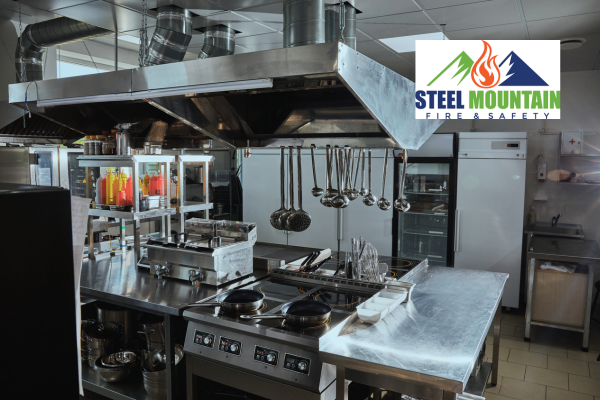
Commercial kitchens face unique challenges when it comes to fire safety. Here's how you can protect your business from kitchen-related fire hazards.
Class K Extinguishers and Grease Fire Response
Grease fires require special attention. Class K extinguishers are designed specifically for this type. They release a wet chemical that cools and smothers flames, preventing re-ignition. Training your staff on the proper use of these extinguishers can make all the difference in a crisis. Imagine the relief of knowing your team can handle a grease fire with confidence.
NFPA 96 Compliance Practices
NFPA 96 focuses on ventilation control and fire protection in kitchens. Regular cleaning of exhaust systems and adherence to these guidelines prevents grease buildup—a major fire risk. Compliance ensures your kitchen operates safely and efficiently, reducing downtime and costly repairs. Learn more about these practices at NFPA 96 compliance.
Suppression System Orientation for Staff
Understanding your kitchen's fire suppression system is vital. Staff should know how to activate and reset the system. Regular orientations ensure everyone can respond effectively. These systems are your first line of defense, so familiarity is key. By prioritizing this training, you're investing in your kitchen's safety and longevity.
Enhancing Workplace Fire Preparedness
Preparedness is the key to minimizing damage and ensuring safety during a fire emergency. Let's delve into actionable steps you can take.
Conducting Effective Evacuation Drills
Evacuation drills are essential for ensuring everyone knows their exit routes and assembly points. Conduct these regularly and vary scenarios to cover different times and areas. This practice boosts confidence and reduces panic during actual emergencies. Remember, the more familiar everyone is with the plan, the smoother the evacuation will be.
Fire Warden and Marshal Training
Fire wardens and marshals play a crucial role in emergencies. Their training includes identifying hazards, leading evacuations, and ensuring everyone is accounted for. By empowering these individuals, you create a reliable safety network within your workplace. This specialized training transforms ordinary employees into leaders during crises.
Emergency Action Plans and SOPs
An effective emergency action plan (EAP) outlines procedures for evacuations, communication, and post-incident actions. Standard Operating Procedures (SOPs) provide detailed instructions on handling specific fire scenarios. These documents should be accessible and regularly reviewed. Implementing a robust EAP and SOPs enhances your workplace's readiness and resilience.
Incorporating these strategies into your fire safety program not only ensures compliance but also empowers your workforce to act decisively and safely in emergencies. Protecting your business is an ongoing commitment, and with these tools, you're well-equipped to keep everyone safe.
