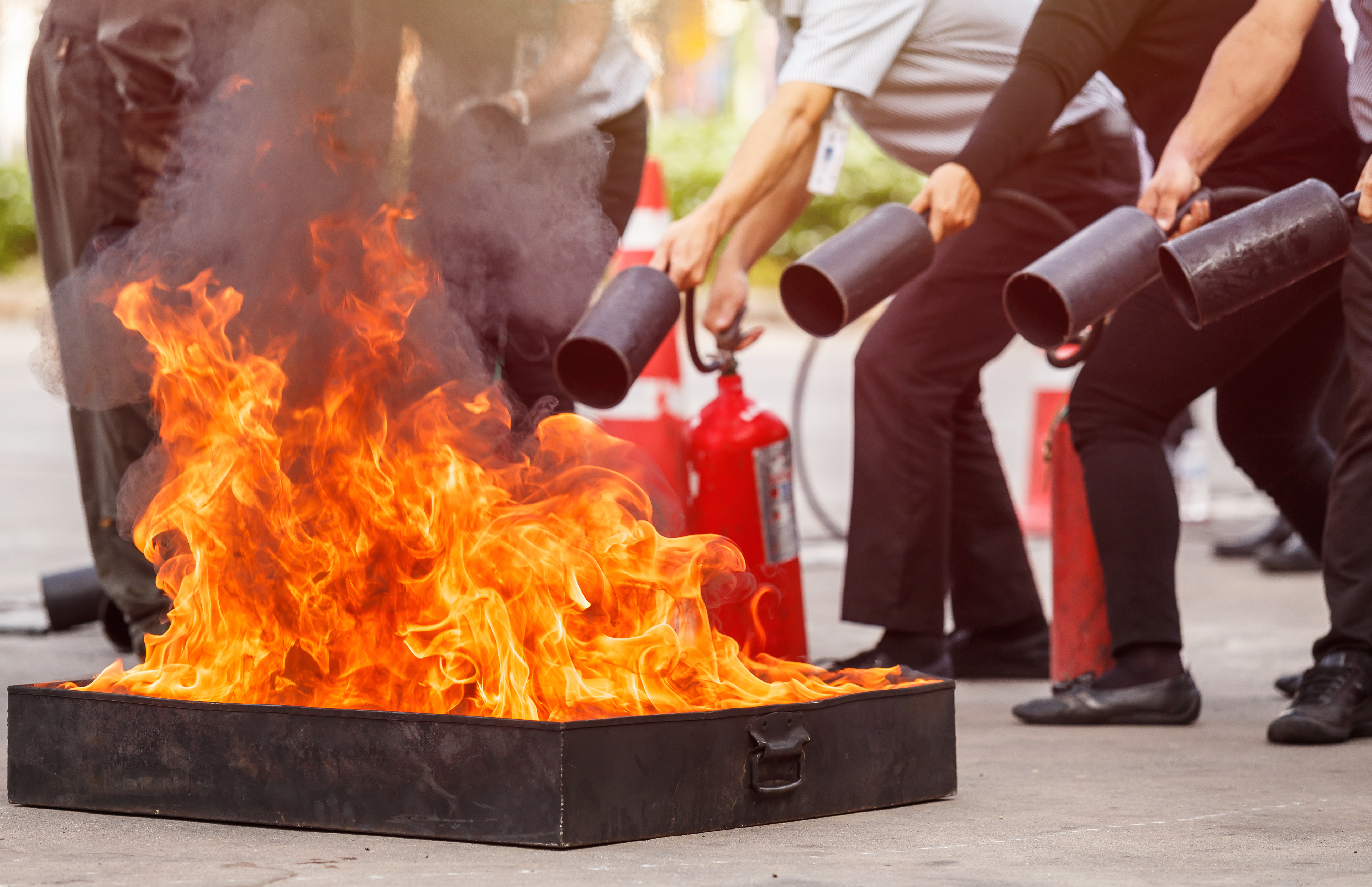
Empower Your Team with a Comprehensive Fire Safety Training Program
Empower Your Team with a Comprehensive Fire Safety Training Program
Most businesses underestimate how quickly a fire emergency can spiral out of control. Without proper fire safety training, your team may hesitate or act incorrectly when seconds count. This guide breaks down key steps to build a fire safety training program that ensures compliance and equips your staff with the skills to protect your business and everyone inside. For more insights, visit this resource.
Fire Safety Training Essentials
Building a solid fire safety program is not just about ticking boxes; it's ensuring your team is ready to respond effectively. A well-prepared team can make all the difference in an emergency.
Setting the Foundation
You start with understanding your building's unique hazards and layout. This means assessing exits, fire extinguisher locations, and potential fire sources. Your team needs to know these areas inside out. Regular walkthroughs can help them get familiar with their workspace.
Next, you should define clear roles. Assign a fire warden, someone who knows the escape plan by heart and can guide others safely. Assigning roles ensures everyone knows their part in a crisis, reducing chaos. It's also crucial to have evacuation maps clearly posted and to conduct regular drills to reinforce these plans. For more detailed guidelines, check out this comprehensive guide.
Core Training Components
A strong fire safety program includes hands-on training. Let your team practice using a fire extinguisher. Remember the PASS technique: Pull, Aim, Squeeze, and Sweep. This practical experience builds muscle memory, crucial in emergencies.
You should also cover different types of fires and which extinguishers work for each. For example, a Class A fire involves ordinary combustibles like wood, while Class B involves flammable liquids. Understanding these differences helps your team choose the right tool when it matters.
Finally, incorporate basic first aid training. Knowing how to treat burns or smoke inhalation can save lives. Encourage your team to stay calm and focused, a skill that can be honed through realistic simulations and scenarios. For more on creating engaging simulations, visit this article.
Empowering Your Team
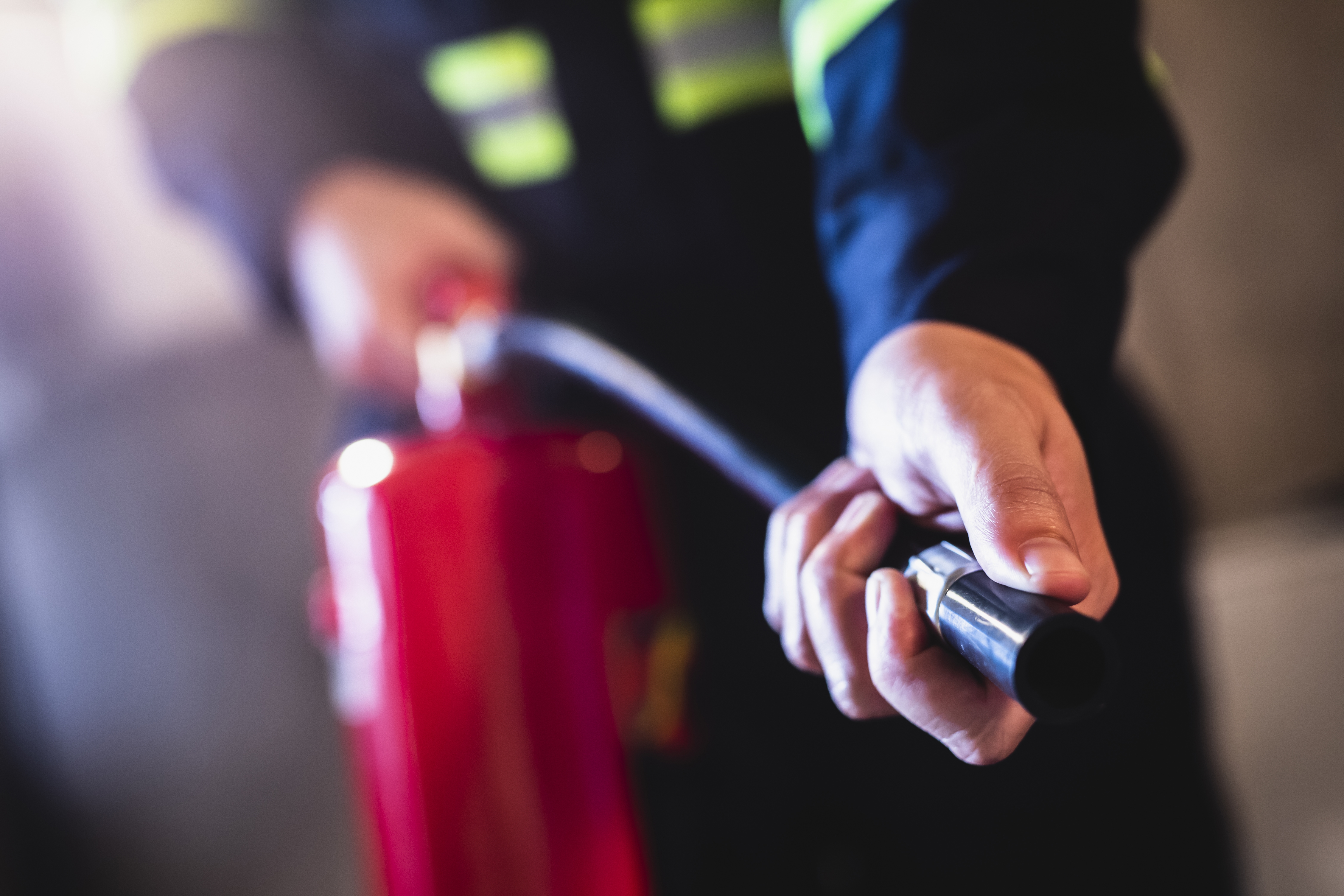
When your team is empowered, they're not just prepared; they're confident. This section explores techniques to engage and motivate them in their training journey.
Engaging Training Techniques
Engage your team with interactive sessions. Use videos and role-playing to simulate fire scenarios. These methods help team members visualize their actions during a real event. They can also highlight potential pitfalls like blocked exits or heavy smoke.
Invite guest speakers, like fire safety professionals, to share real-life stories and tips. These experts can provide insights that textbooks might miss. You could also organize field trips to local fire stations. Seeing the equipment and hearing stories from firefighters can be both eye-opening and inspiring.
Remember, the goal is to keep learning lively and engaging. Encourage questions and discussions. When your team talks about what they've learned, it reinforces their understanding and commitment to safety. For more on creating a culture of safety, visit this resource.
Instilling Confidence
Confidence comes from practice and knowledge. Regular drills help your team act quickly and decisively. Use varied scenarios in drills to keep them on their toes. Change the location of a simulated fire to challenge your team and ensure they remain adaptable.
Feedback is another critical component. After each drill, hold a debriefing session. Discuss what went well and what needs improvement. This constructive feedback loop builds confidence and competence.
Highlight successes, too. Recognize team members who perform well during drills. This recognition boosts morale and encourages others to strive for the same level of preparedness. The longer you wait to instill this confidence, the more you risk in an emergency.
Ensuring Fire Safety Compliance
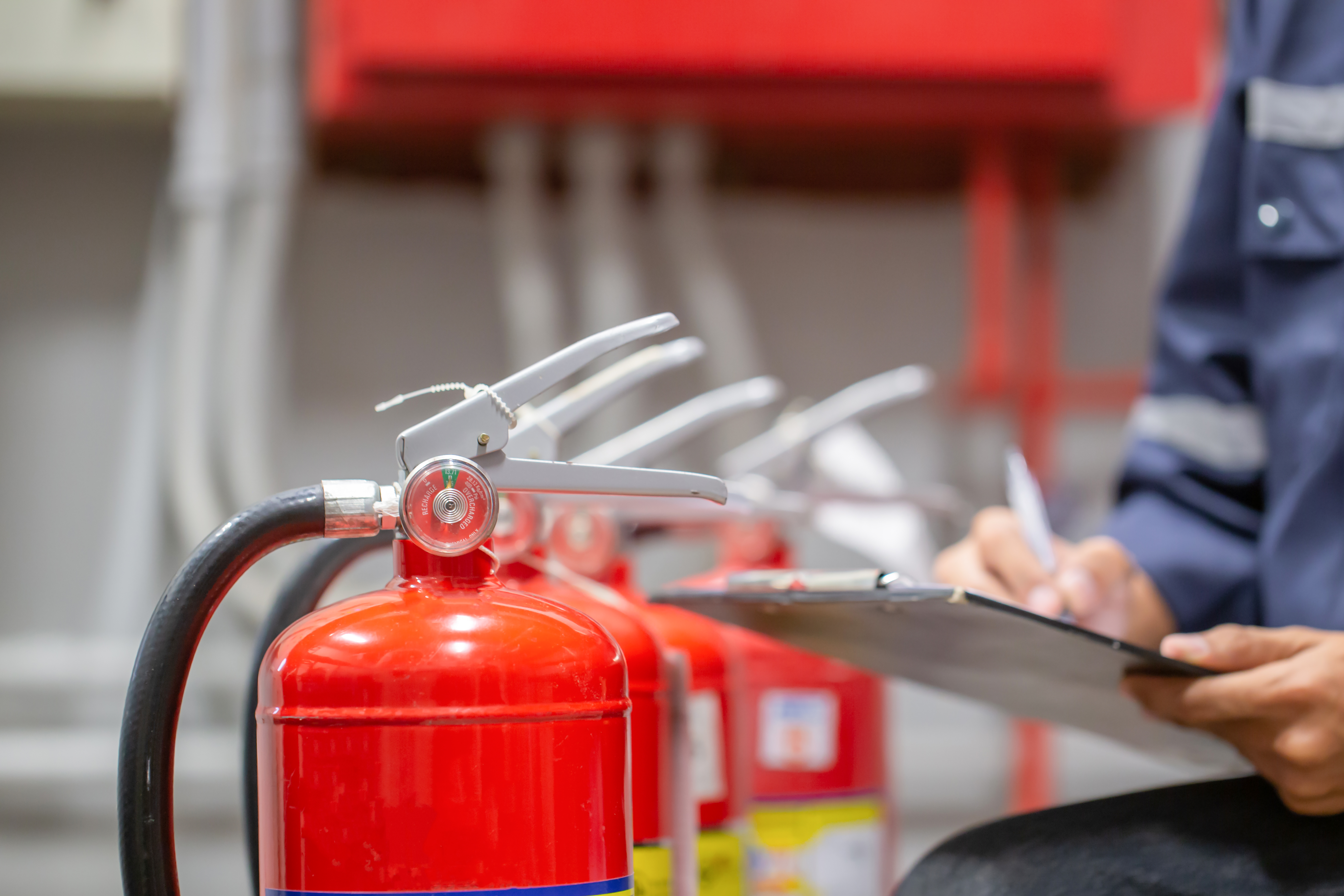
Achieving compliance is an ongoing effort, requiring regular checks and updates to your fire safety strategies.
Regular Assessments
Regular assessments are essential to ensure your program stays effective. Schedule quarterly inspections of your fire safety equipment. This includes checking extinguishers, alarms, and emergency lights. Ensure everything is in working order and replace any faulty equipment promptly.
Conduct surprise drills to test your team’s readiness. These drills highlight areas that need more focus and help to keep everyone alert. Document these drills and inspections to track progress and compliance with regulations. For more information on compliance, explore this guide.
Continuous Improvement Strategies
A fire safety program should evolve. Regularly update your training materials to reflect the latest industry standards and technologies. Encourage feedback from your team. They're on the front lines and can offer valuable insights into what's working and what’s not.
Consider investing in new technology. Fire safety apps and sensors can provide real-time updates and alerts, enhancing your team's preparedness. Stay informed about innovations in fire safety to ensure your program remains cutting-edge.
Finally, foster a culture of continuous improvement. Make safety a regular part of team meetings. Discuss recent drills, share news on fire safety developments, and celebrate successes. This ongoing dialogue keeps safety top of mind and your team motivated to protect both your business and each other.
