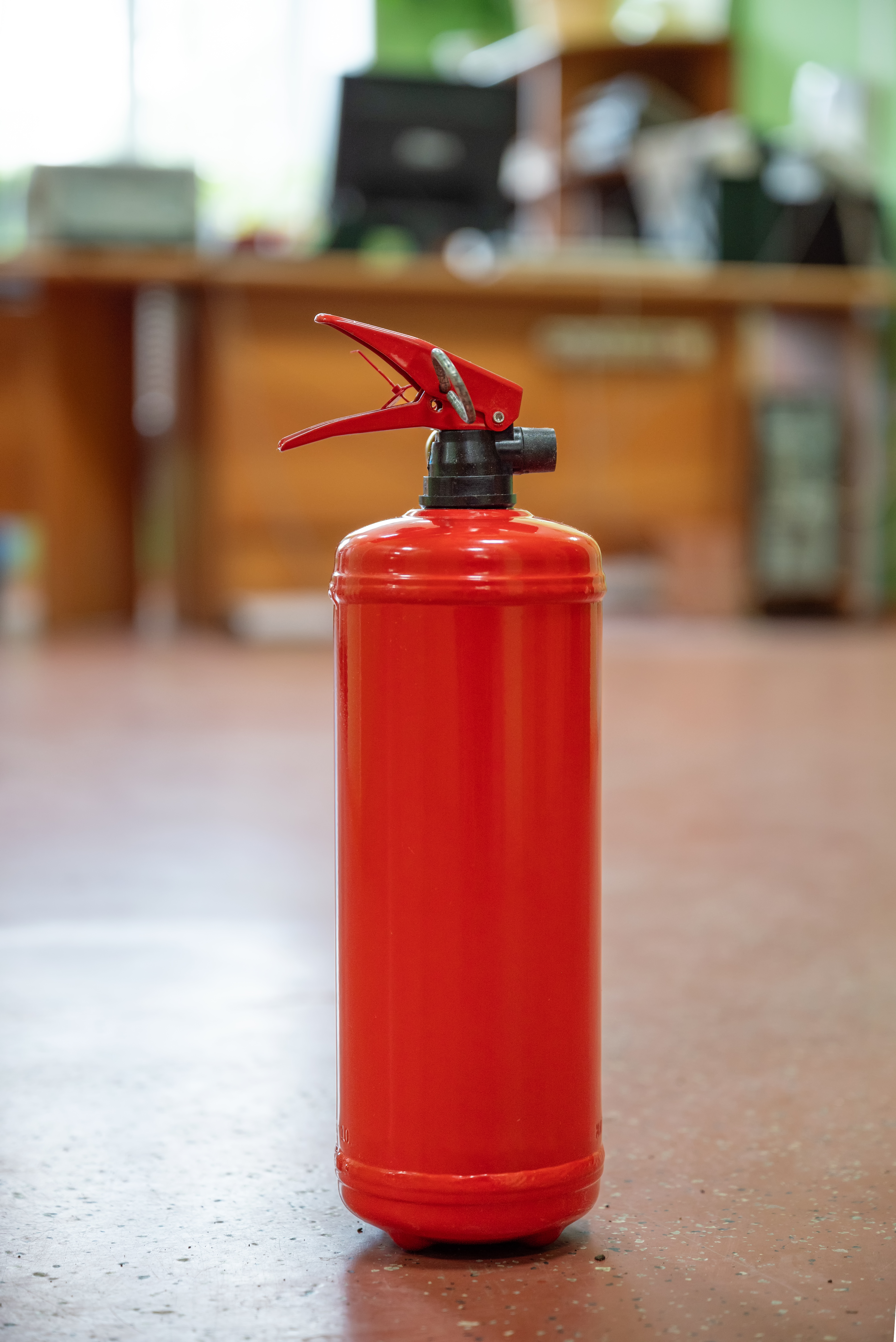
Creating a Fire Safety Culture: Empowering Your Employees to Act
Creating a Fire Safety Culture: Empowering Your Employees to Act
Most businesses think fire safety is about equipment alone. But without employee empowerment, protocols fall short when seconds count. Building a fire safety culture means giving your team the knowledge and confidence to act—and that starts with clear training and ongoing support. Read on to learn how to make safety compliance a shared priority in your workplace. For more insights on creating a safety culture, visit this link.
Establishing a Fire Safety Culture
Creating a fire safety culture goes beyond installing safety equipment. It involves fostering a proactive mindset towards safety. This culture ensures everyone in your organization is prepared to act swiftly in an emergency.
Importance of Proactive Measures
Why wait until a fire occurs to consider safety measures? Proactive steps can significantly reduce the risk of fires and minimize damage. Consider this: businesses with a fire plan are 80% more likely to recover quickly after an incident. By investing in preparedness, you protect not just your property but your team’s well-being too. For tips on developing a proactive safety culture, check out this resource.
Steps to Foster Safety Awareness
Start by educating your team about potential fire hazards specific to your business. Hold regular training sessions and discussions to keep fire safety top of mind. Encourage questions and address concerns immediately. By making safety a topic of regular conversation, you empower your employees to stay vigilant and engaged. Additionally, consider appointing fire safety officers to lead these initiatives and ensure information is disseminated effectively. This can be done through:
Interactive Workshops: Use real-life scenarios to train employees.
Safety Drills: Conduct these quarterly to reinforce protocols.
Feedback Sessions: Encourage input from employees on safety measures.
Learn more about fostering a safety culture in the workplace here.
Empowering Employees in Fire Safety

A fire-safe workplace relies heavily on empowered employees who know what to do during emergencies. Let’s explore how proper training and encouragement can make a significant difference.
Training for Employee Empowerment
Training is the backbone of employee empowerment. It's not just about knowing where the exit is; it’s about having the confidence to lead others to safety. 60% of employees feel more confident in their roles when they receive relevant training. Provide hands-on sessions that cover everything from using fire extinguishers to understanding alarm systems. Tailor training programs to fit different roles within your company, ensuring everyone knows their responsibilities in an emergency. Discover more about immersive fire safety training here.
Encouraging Responsibility and Action
Encourage your team to take ownership of their safety roles. Assign clear roles during fire drills and recognize those who take initiative. Acknowledge efforts publicly to motivate others. When employees understand their role in safety, they are more likely to act decisively in a crisis. Most people think safety is a solo responsibility, but it’s truly a team effort. By fostering a sense of responsibility, you create a cohesive and responsive team ready to act when needed. For more on empowering others in safety culture, visit this link.
Implementing Effective Fire Protection Protocols

With a culture of safety in place, it’s time to implement effective protocols. These will ensure your business is prepared and compliant with all necessary regulations.
Developing Safety Compliance Plans
A comprehensive safety compliance plan is essential. Begin by conducting a risk assessment to identify areas that need improvement. Document fire hazards, and ensure all safety equipment is up to date. Most importantly, the plan should be accessible to all employees, and its execution should be straightforward. Regularly update the plan to reflect any changes in the workplace or new regulations. For businesses, a well-documented plan not only ensures compliance but also provides peace of mind.
Regular Safety Audits and Reviews 🚒
Consistent audits are vital in maintaining fire safety standards. Schedule audits at least twice a year to inspect equipment, review safety protocols, and test alarm systems. Address any discrepancies immediately. These reviews are not just about ticking boxes but ensuring that each element of your safety plan is effective and understood by all. The longer you wait between audits, the more you risk encountering undetected issues. Make audits a routine part of your operations to ensure ongoing safety and compliance.
In conclusion, building a fire safety culture is about more than just equipment; it's about empowering your team, implementing robust protocols, and keeping safety at the forefront of your business operations. By taking these steps, you create a safer environment for everyone.
