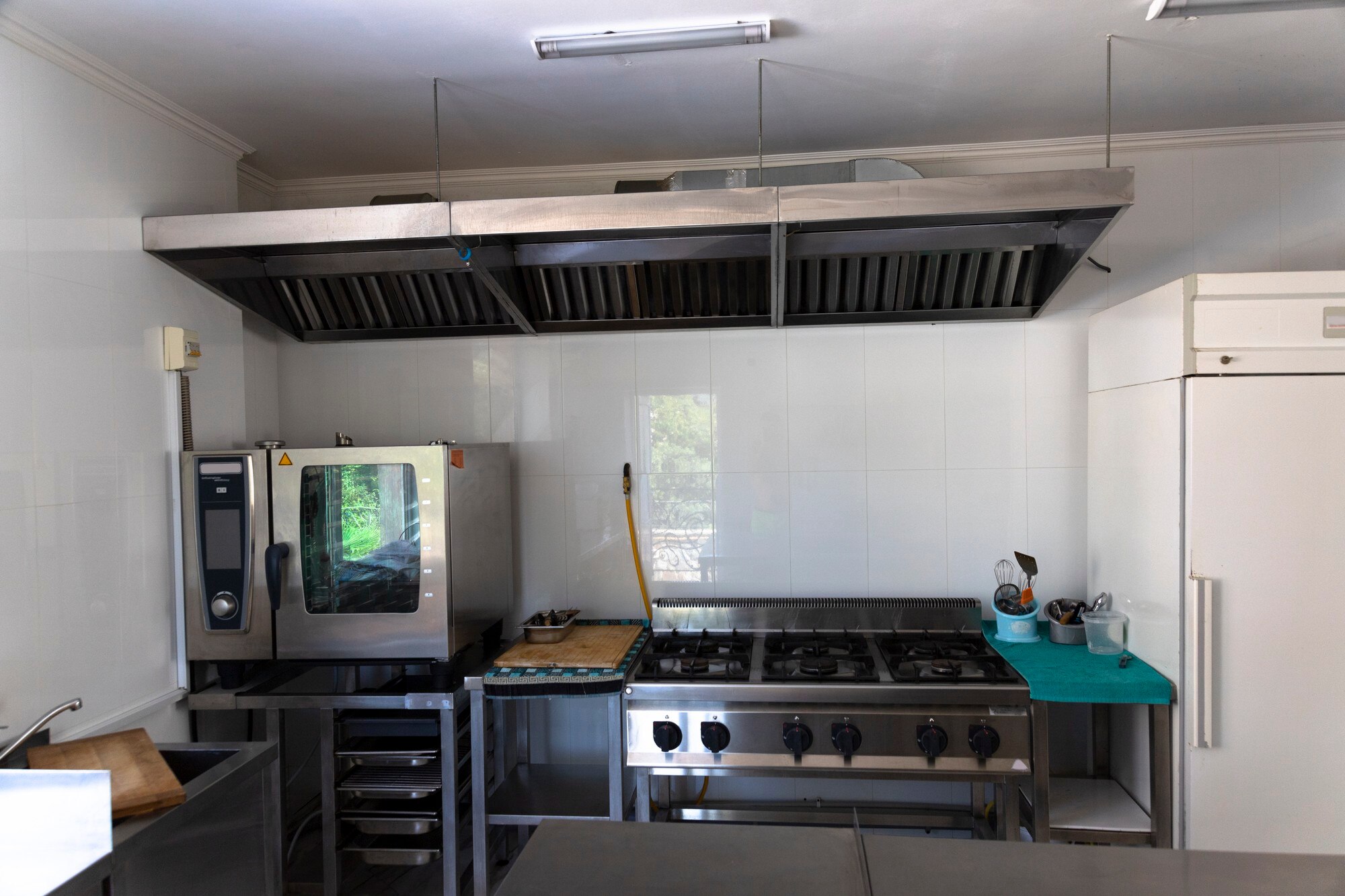
Commercial Kitchen Exhaust Cleaning: Hidden Grease, Real Fire Risk, and NFPA 96 Compliance
Commercial Kitchen Exhaust Cleaning: Hidden Grease, Real Fire Risk, and NFPA 96 Compliance
Hidden grease in your commercial kitchen’s exhaust system is not just unsightly—it’s a ticking fire hazard that can cost you thousands in damage and downtime. Most operators don’t realize how quickly buildup violates NFPA 96 compliance, risking fines and insurance issues. In this post, you’ll learn why thorough commercial kitchen exhaust cleaning matters, what NFPA 96 requires, and how to keep your kitchen safe and compliant year-round. For more insights, visit our detailed guide here.
Understanding Grease Buildup Fire Risk
The hidden grease in your kitchen's exhaust system could lead to dangerous situations if not addressed. Here’s why grease buildup is more than an aesthetic issue.
Hidden Dangers in Kitchen Hoods and Ducts
Grease can accumulate in kitchen hoods and ducts over time. This buildup isn't just unsightly; it's a serious fire hazard that lurks above your cooking area. Whenever you cook, this grease can ignite, causing a fire that’s difficult to control. To keep your kitchen safe, regular cleaning is essential. This ensures the grease doesn’t build up to dangerous levels that could spark a fire.
How Grease Buildup Affects Fire Safety
Grease is highly flammable, and when it accumulates, it increases the risk of a kitchen fire. Once a fire starts, the grease acts as a fuel, spreading flames rapidly. This can lead to significant damage, not only to your kitchen but also to your entire establishment. Regular cleaning of your exhaust system is crucial to minimize these risks. It’s not just about keeping your kitchen clean; it’s about keeping it safe.
NFPA 96 Compliance and Your Safety
NFPA 96 sets the standard for reducing fire risks in commercial kitchens. By following these guidelines, you ensure that your kitchen exhaust system is maintained to high safety standards. Compliance with NFPA 96 means you’re not only protecting your establishment but also meeting legal requirements. Regular inspections and cleanings keep your kitchen safe and compliant.
NFPA 96 Compliance Requirements
Adhering to NFPA 96 is critical for maintaining a safe kitchen environment. Here's what you need to know about compliance.
Recommended Cleaning Frequencies
To remain compliant with NFPA 96, kitchens should follow specific cleaning schedules. The frequency depends on the type of cooking and volume. Most commercial kitchens should clean their exhaust systems every three months. However, high-volume kitchens might require monthly cleanings. Keeping up with this schedule helps prevent grease buildup and ensures compliance with regulations.
Key Elements of NFPA 96 Standards
NFPA 96 outlines several key requirements for commercial kitchens. These include regular cleaning of hoods, ducts, and other components of the exhaust system. The standards also mandate the use of certified professionals for cleaning tasks. By adhering to these standards, you ensure your kitchen remains safe and avoids the risk of fines and shutdowns.
Importance of Kitchen Ventilation System Cleaning
Cleaning your kitchen ventilation system is essential for both safety and compliance. Regular maintenance ensures that your system operates efficiently. A clean system reduces the risk of fire and keeps your kitchen’s air quality high. It also prevents unpleasant odors from lingering in your establishment. Staying on top of ventilation cleaning is a smart move for any kitchen operator.
Professional Kitchen Exhaust Services
Hiring professional services for your kitchen exhaust cleaning can provide peace of mind. Here’s why it matters.
Benefits of Exhaust Fan Cleaning
Regular cleaning of exhaust fans is vital for maintaining a safe kitchen environment. When fans are clean, they operate at peak efficiency, which helps remove smoke, heat, and odors from your kitchen. This not only enhances air quality but also reduces the risk of grease fires. Professional services ensure thorough cleaning, reaching areas you might miss on your own.
Rooftop Grease Containment and Fan Hinge Kits
Rooftop grease containment systems and fan hinge kits are critical components of a well-maintained exhaust system. These tools prevent grease from damaging your roof and make cleaning the exhaust fans safer and easier. By investing in these systems, you protect your building’s structure and ensure easy access for maintenance tasks.
Comprehensive Fire Code Compliance Audits
Comprehensive fire code compliance audits are essential for identifying potential risks in your kitchen. These audits evaluate your exhaust system and ensure it meets all NFPA 96 requirements. Professional audits can uncover issues you might not notice, providing an extra layer of safety for your establishment. Regular audits help maintain compliance and peace of mind.
Frequently Asked Questions
What is NFPA 96?
NFPA 96 is a standard that outlines fire safety requirements for commercial kitchens, focusing on preventing grease fires through regular maintenance and cleaning of exhaust systems.
How often should commercial kitchen exhaust systems be cleaned?
The frequency of cleaning depends on the kitchen’s cooking volume. High-volume kitchens typically require monthly cleanings, while regular establishments should aim for every three months.
Why is grease buildup dangerous in kitchen exhaust systems?
Grease buildup is dangerous because it is highly flammable and can ignite, leading to rapid fire spread. This poses significant fire risks to the entire establishment.
What are the benefits of using professional exhaust cleaning services?
Professional services ensure thorough cleaning, reaching areas often missed. They help maintain system efficiency, improve air quality, and reduce fire risk by keeping grease levels in check.
What does a fire code compliance audit involve?
A fire code compliance audit involves evaluating your kitchen’s exhaust system to ensure it meets NFPA 96 standards, identifying potential risks, and suggesting necessary improvements or maintenance actions.
