Busy Facility? Here’s What a Complete Fire Protection Maintenance Plan Must Include
Busy Facility? Here’s What a Complete Fire Protection Maintenance Plan Must Include
Your facility runs nonstop, but fire protection can’t take a back seat. Skipping critical steps in your fire protection maintenance plan risks costly violations and dangerous downtime. Knowing exactly what your plan must include will keep your business safe, compliant, and running smoothly. Here’s what every busy facility needs to check off to meet NFPA compliance and protect what matters most. To learn more about creating a robust maintenance plan, check out this resource.
Essential Components of a Fire Protection Plan
Creating a comprehensive fire protection plan is crucial for maintaining safety and compliance, especially in busy facilities. Each component of the plan plays a vital role in ensuring your business is prepared.
Comprehensive Fire Extinguisher Inspections
Regular fire extinguisher inspections are essential for readiness. These inspections confirm that each extinguisher is in its designated place, accessible, and fully charged. During an inspection, technicians check for any physical damage or issues, such as corrosion or leaks. They also confirm the pressure gauge reading is within the correct range. Monthly visual checks should accompany annual professional inspections to ensure safety at all times.
Furthermore, keeping a record of these inspections is key to compliance. Documentation helps track maintenance and shows a commitment to safety standards. Consistent inspections mean you can trust your extinguishers to function properly when needed, reducing fire risks significantly.
Fire Suppression System Services
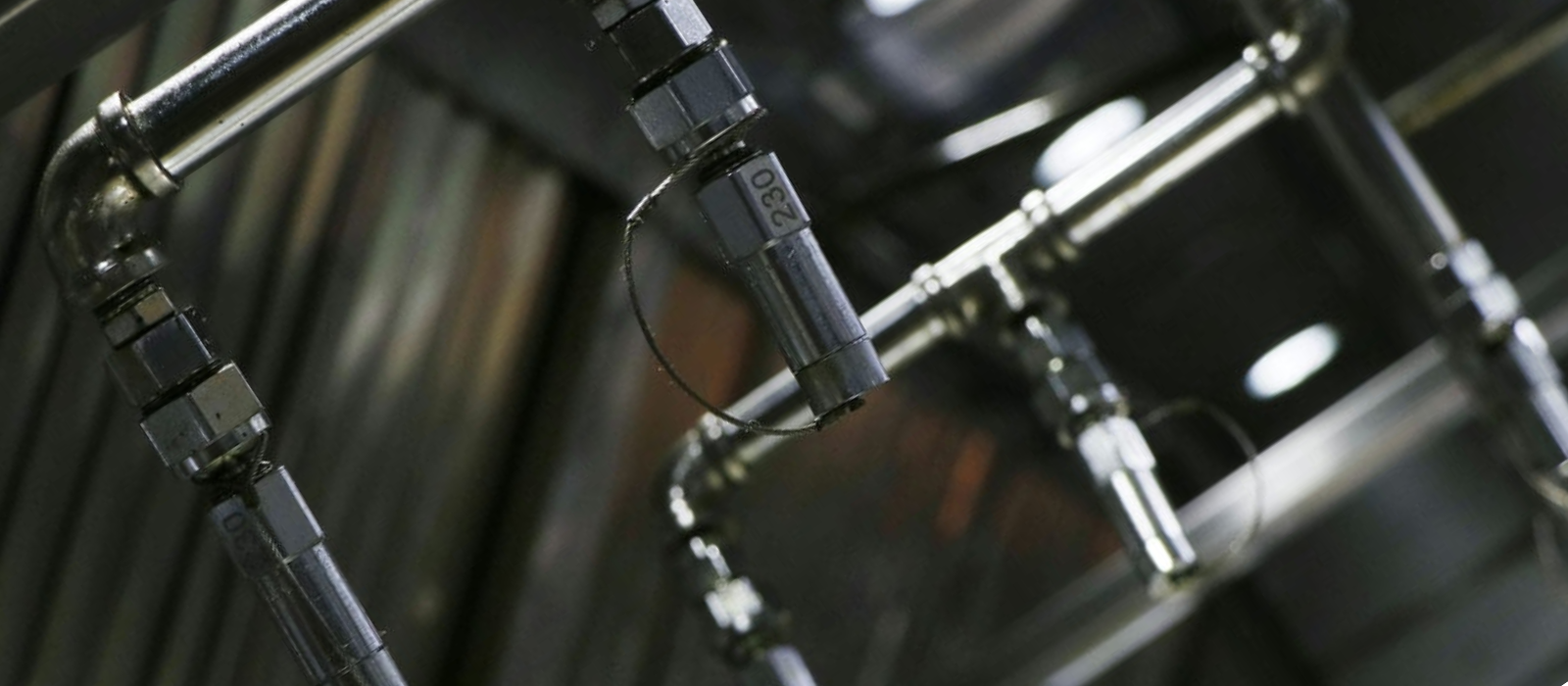
A reliable fire suppression system is crucial for any facility. These systems require regular checks and maintenance to ensure they operate effectively in emergencies. Services include testing control valves, checking for leaks, and verifying proper pressure levels. A well-maintained system can prevent fire spread and protect both property and lives.
Regular service also involves updating any outdated components. Using the latest technology enhances system reliability and compliance with current standards. By prioritizing these services, facilities can reduce the risk of unexpected failures and maintain uninterrupted operations.
Kitchen Exhaust and Hood Cleaning NFPA 96
Keeping kitchen exhaust systems clean is vital for safety and compliance. Grease buildup can lead to severe fire hazards, especially in commercial kitchens. Following NF## Essential Components of a Fire Protection Plan
Every facility needs to ensure a comprehensive maintenance plan to keep fire hazards at bay. Here are the essential components that should be on your checklist.
Comprehensive Fire Extinguisher Inspections
Fire extinguishers are your first line of defense. Regular inspections ensure they are in working condition. Each extinguisher should be checked monthly and undergo a thorough annual inspection. This routine includes checking the pressure, inspecting for visible damage, and verifying accessibility. If an extinguisher is found to be faulty, it must be replaced immediately. Remember, a well-maintained extinguisher can stop a small fire from getting out of control.
Fire Suppression System Services
A fire suppression system is crucial for quickly controlling fires. These systems require regular checks to ensure functionality. Professional services should inspect, test, and maintain your suppression system. This includes clean agent systems and wet chemical kitchen systems. With the right service, you’ll know your system will kick in when needed most, protecting your assets and personnel effectively.
Kitchen Exhaust and Hood Cleaning NFPA 96
Commercial kitchens pose unique fire risks. Grease buildup in exhaust systems is a common culprit for kitchen fires. Adhering to NFPA 96 standards involves regular cleaning of hoods and exhaust systems. This helps prevent grease-related fires and ensures compliance with safety regulations. Regular cleaning protects not only your kitchen but also your entire facility.
Ensuring NFPA Compliance
Compliance with NFPA standards is non-negotiable for safety and legal reasons. Consistent inspections and maintenance are key.
Importance of Quarterly and Annual Inspections
Regular inspections are critical for fire safety compliance. Quarterly and annual checks help identify potential hazards before they become serious problems. These inspections cover fire extinguishers, suppression systems, and emergency lighting. Staying on top of these inspections keeps your facility compliant and minimizes the risk of fire-related incidents.
Life Safety Systems and Emergency Lighting Testing
Emergency lighting is vital during power outages or emergencies. Regular testing ensures that lights function correctly when needed. Life safety systems like alarm systems and exit signage also need checking to guarantee they operate effectively. Testing these systems regularly provides peace of mind and ensures safety during critical moments.
Fire Safety Training for Employees
Employee training is essential in fire safety. Staff should know how to use extinguishers, respond to fire alarms, and evacuate safely. Regular training sessions keep everyone prepared and aware of safety protocols. Well-trained employees are a valuable asset in emergency situations, potentially saving lives and reducing damage.
Customized Solutions for Busy Facilities
Every facility has unique needs, and customization ensures your fire protection plan is effective and efficient.
Facility Fire Risk Assessment and Safety Audit
Conducting a thorough risk assessment identifies vulnerabilities in your facility. A professional safety audit evaluates current safety measures and recommends improvements. This proactive approach helps in tailoring solutions specific to your facility's layout and operations, ensuring maximum protection against potential fire hazards.
Digital Inspection Reports and 24/7 Emergency Service
Utilizing digital inspection reports offers detailed records and ensures no detail is overlooked. Accessibility to 24/7 emergency services provides added security, knowing help is available whenever needed. By combining digital reports with round-the-clock support, you maintain a robust safety net for your facility.
Code Compliance Checklist and Professional Support
Keeping up with fire safety codes can be daunting. A customized compliance checklist ensures all requirements are met. Professional support aids in understanding and implementing safety codes effectively. With expert guidance, you maintain compliance effortlessly, reducing the stress of inspections and audits.
Frequently Asked Questions
What is NFPA compliance, and why is it important?
NFPA compliance refers to adhering to the standards set by the National Fire Protection Association. These standards are crucial for ensuring safety and minimizing fire risks in facilities.
How often should fire extinguishers be inspected?
Fire extinguishers should undergo a monthly visual inspection, with a more detailed annual inspection to ensure they remain functional and accessible in case of a fire.
Why is kitchen exhaust cleaning critical in commercial kitchens?
Regular kitchen exhaust cleaning prevents grease buildup, a common fire hazard in commercial kitchens. It also ensures compliance with NFPA 96 standards, reducing the risk of grease-related fires.
How can digital inspection reports benefit my facility?
Digital inspection reports provide a comprehensive and accessible record of all inspections, ensuring nothing is missed and making compliance simpler and more manageable.
What should a fire risk assessment include?
A fire risk assessment involves identifying potential fire hazards, evaluating existing safety measures, and recommending improvements to enhance overall fire safety in a facility.
