Beat the Summer Rush: Fire Prevention Tips to Keep Your Commercial Kitchen Safe and Compliant
Beat the Summer Rush: Fire Prevention Tips to Keep Your Commercial Kitchen Safe and Compliant
Summer heat means your kitchen’s workload is about to spike—and so does fire risk. Commercial kitchen fire prevention isn’t just about ticking boxes; it’s about protecting your staff, your customers, and your business when demand peaks. In this post, you’ll find key steps to keep your kitchen safe and compliant with NFPA 96 standards before inspections and busy nights arrive.
Essential Fire Prevention Steps
Keeping your kitchen safe during the summer rush requires a strategic approach. Here’s how to ensure fire safety while meeting high demand.
Summer Restaurant Safety Strategies
As temperatures rise, so do the risks in your kitchen. Keeping your team informed and proactive is crucial. Start by reviewing emergency procedures with your staff. Regularly check your kitchen’s ventilation and ensure all exhaust fans are working properly. Inspect electrical equipment for frayed cords or faulty connections. This vigilance helps catch potential hazards before they become problems.
Moreover, consider the layout of your kitchen. Ensure that paths to exits are clear, and that fire extinguishers are accessible at all times. Encourage your staff to report any safety concerns immediately. By fostering a culture of safety, you create an environment where everyone plays a role in preventing fires.
Kitchen Fire Safety Checklist
Think of a checklist as your kitchen’s safety roadmap. Begin with regular inspections of fire suppression systems and smoke detectors. Check that fire extinguishers are charged and easily accessible. Verify that cooking equipment is clean and free of grease buildup, a major fire hazard.
Next, ensure all staff are trained on fire safety procedures. Conduct drills to keep them prepared for emergencies. Remember, the best fire prevention strategy is a well-informed team. Keep this checklist handy and regularly update it to reflect any changes in your kitchen operations.
Commercial Kitchen Risk Assessment
A thorough risk assessment identifies vulnerabilities unique to your kitchen. Start by evaluating the location and condition of cooking appliances. Are they too close to combustible materials? Are gas lines properly maintained? Check these regularly to minimize risk.
Assess staff training levels. Are all employees aware of how to use fire safety equipment? Providing regular training can significantly reduce risks. Finally, review past incidents to identify patterns or recurring issues. Addressing these proactively can prevent future problems and ensure a safer kitchen environment.
Key Compliance Areas
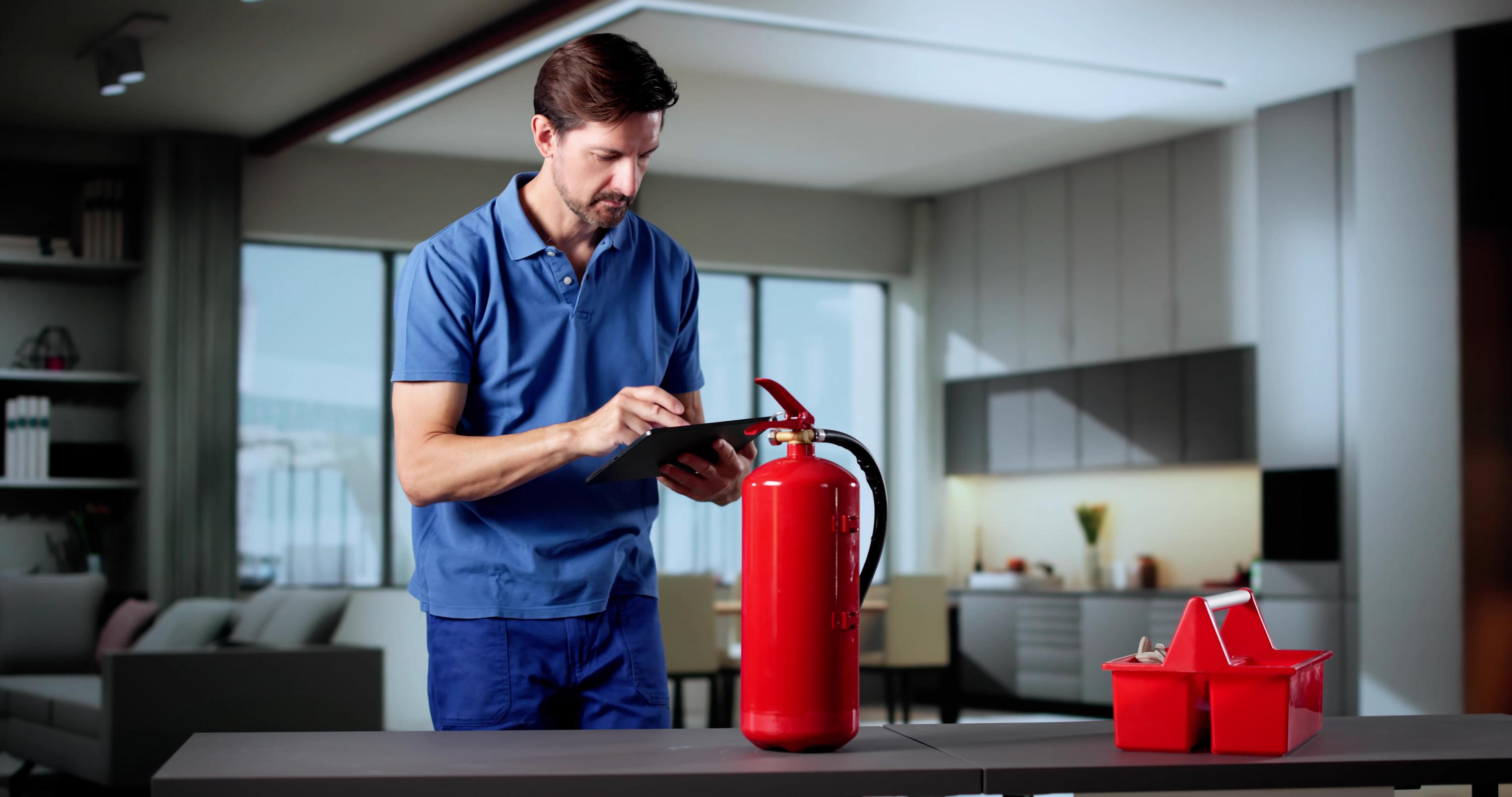
Meeting compliance is vital for your kitchen’s safety and operation. Let’s explore essential standards and tips to keep you on track.
NFPA 96 Compliance Essentials
Compliance with NFPA 96 is non-negotiable. Start by ensuring your ventilation control and fire protection systems are up to standard. This includes regular cleaning and maintenance of exhaust systems and fans. A reliable guide can help you stay aligned with these requirements.
Documentation is key. Keep detailed records of inspections and maintenance activities. This not only ensures compliance but also provides a reference if questions arise during inspections. Compliance isn't just about meeting regulations; it's about maintaining a safe environment for your team and customers.
UL 300 Suppression Systems Guidelines
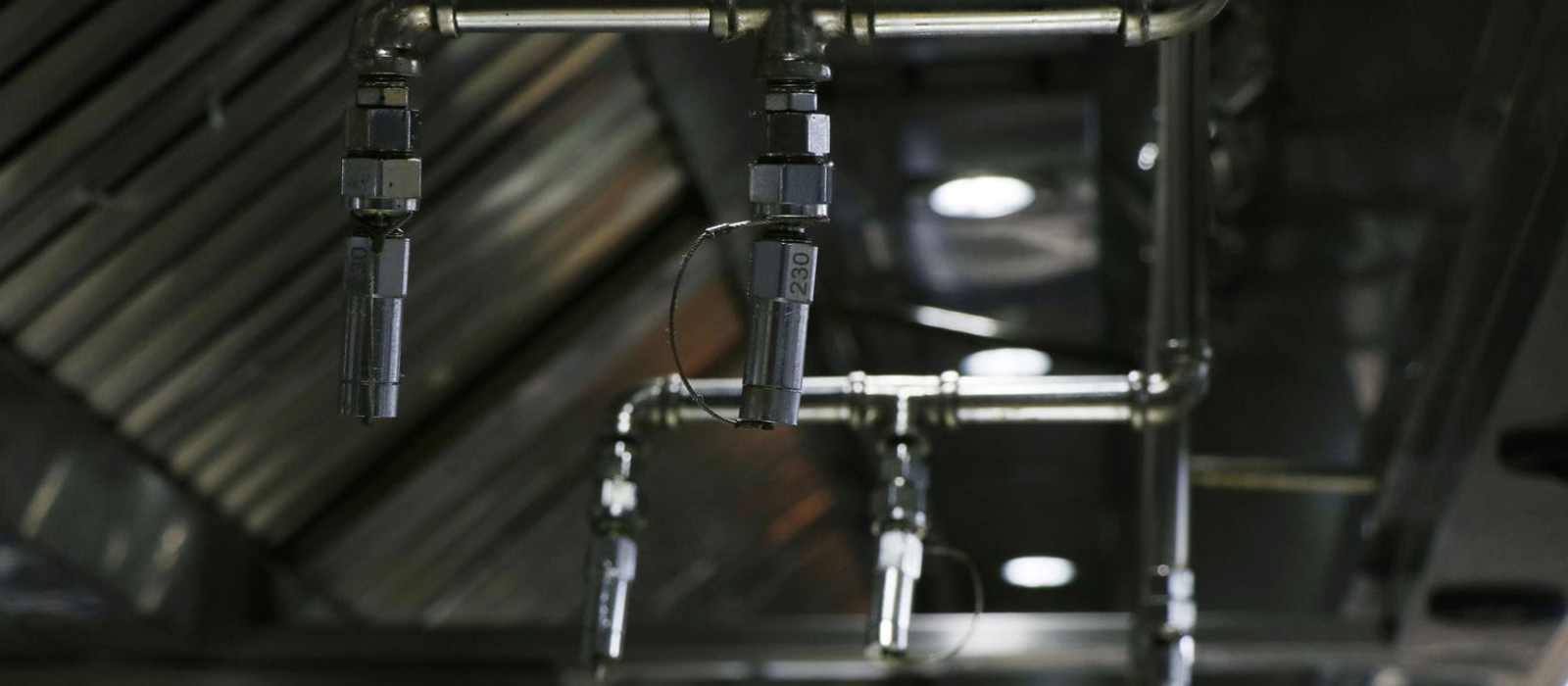
UL 300 is the benchmark for kitchen suppression systems. These systems must be specifically designed to handle the high-energy fires common in commercial kitchens. Regular inspections are crucial. Any part of the system showing wear or damage should be promptly repaired.
Consider upgrades when necessary. As cooking equipment evolves, so should your suppression system. Staying current with technology can prevent fires from escalating. Always have a professional review your system to ensure it meets UL 300 standards.
Fire Extinguisher Service NC Tips
In North Carolina, keeping your fire extinguishers in top condition is critical. Regular inspections should confirm that each unit is fully charged and free from damage. Schedule maintenance at least annually to ensure they function correctly when needed.
Train your team on proper use. A well-maintained extinguisher is only as effective as the person using it. Hands-on training can make a difference in an emergency. Remember, an extinguisher is your first line of defense, so keep it ready and your staff prepared.
Maintenance and Training Services
Ongoing services and training are key to a secure kitchen environment. Let's discuss essential maintenance and training areas.
Commercial Kitchen Hood Cleaning
Regular hood cleaning is a must. Grease buildup can ignite quickly, turning a small fire into a disaster. Schedule professional cleanings at least twice a year. This not only keeps your kitchen safe but also ensures compliance with local regulations.
During cleanings, inspect the entire system for wear and tear. Replace any faulty parts immediately. Keeping your hood system in top shape reduces fire risk and improves air quality in your kitchen. Show your commitment to safety by prioritizing these cleanings.
Restaurant Safety Training Importance
Training is the cornerstone of fire safety. Regular sessions keep your team alert and knowledgeable. Cover fire prevention techniques, evacuation procedures, and the proper use of fire safety equipment. These sessions should be interactive to engage your staff fully.
Update training materials regularly to reflect changes in regulations or equipment. Encourage feedback from your team to improve the program. Remember, well-trained staff are your greatest asset in preventing and handling fires.
Emergency Lighting Testing Benefits
Emergency lighting is crucial for safe evacuations. Test systems monthly to ensure they function correctly during power outages. Replace any faulty bulbs or batteries immediately. A well-lit path can make all the difference in an emergency.
Regular testing not only ensures safety but also keeps you compliant with safety standards. Document these tests for reference during inspections. By maintaining your lighting system, you demonstrate your commitment to creating a safe environment for everyone in your establishment.
Every action you take reinforces your commitment to safety. Keep your kitchen compliant, your team trained, and your equipment maintained. This proactive approach not only protects your business but also enhances its reputation as a safe and reliable place for customers and staff alike.
