7 Emerging Trends in Commercial Kitchen Fire Suppression (and What They Mean for Your Compliance)
7 Emerging Trends in Commercial Kitchen Fire Suppression (and What They Mean for Your Compliance)
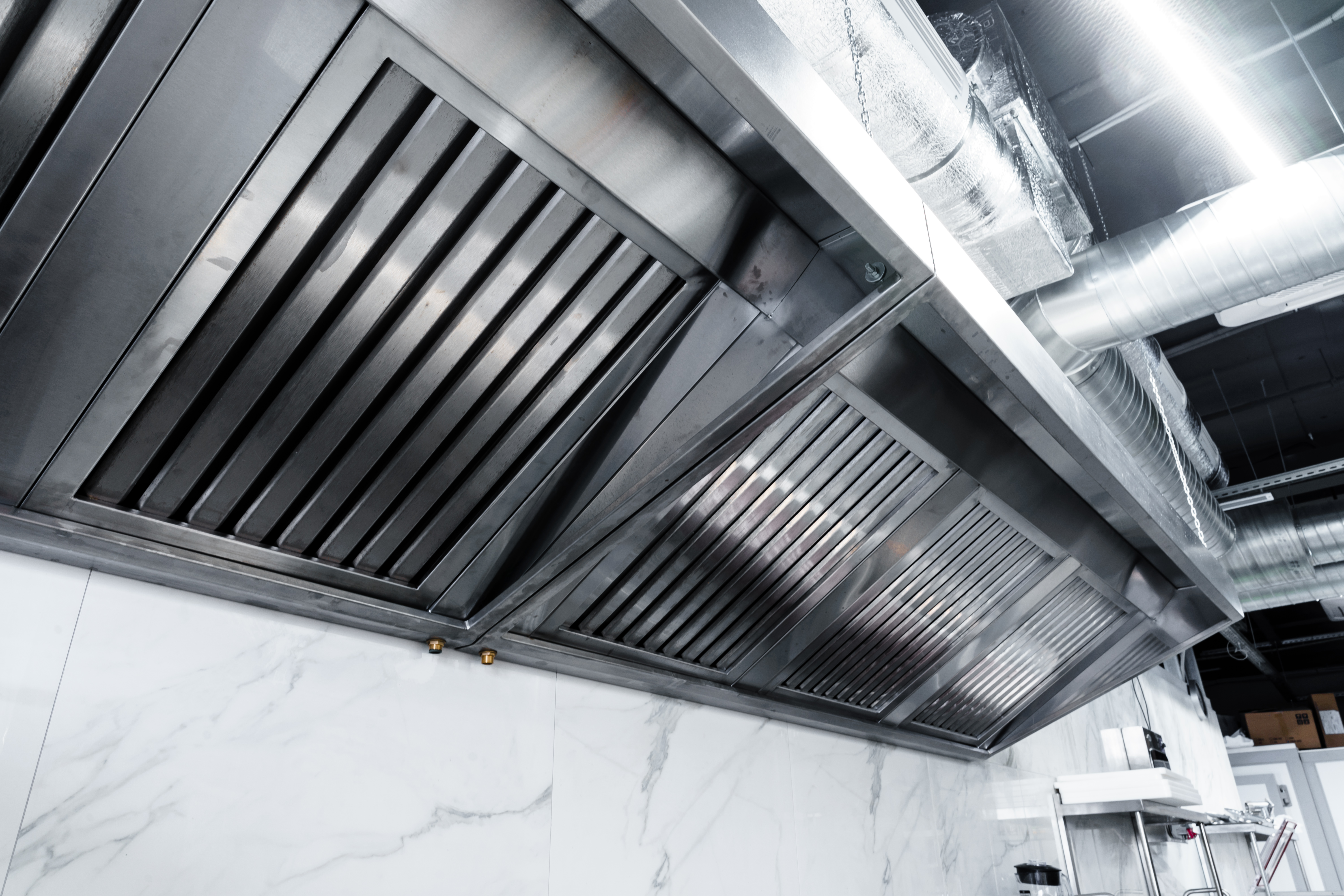
Commercial kitchen fire suppression rules are changing fast, and falling behind puts your business at risk. New UL 300 compliant systems and updates to NFPA 96 and NFPA 17A standards demand attention now. In this post, you’ll learn seven emerging trends shaping kitchen hood suppression systems and what they mean for your compliance and safety. For more information, you can check out this link.
Cutting-Edge Fire Suppression Technology
Staying ahead in fire suppression tech is crucial for maintaining safety and compliance. Let's dive into how new technologies are changing the game.
Remote Monitoring Systems
Imagine knowing the status of your fire suppression system from anywhere. Remote monitoring systems make this possible. They track system health in real time, alerting you to issues before they become serious. This proactive approach means fewer emergencies and more peace of mind. Most people think traditional systems are enough, but remote tech challenges that belief. By keeping tabs on your setup, you reduce the risk of unexpected failures. In a world where every second counts, this tech can be a lifesaver.
Advanced Wet Chemical Solutions
Wet chemical fire suppression is tailored for kitchen environments. It's specifically designed to tackle grease fires, which are common in commercial kitchens. This solution reacts with cooking oils to form a soapy layer, cutting off oxygen and preventing re-ignition. But why are these solutions so effective? They are engineered to address the unique challenges of kitchen fires, ensuring rapid response and containment. For instance, a 70% reduction in kitchen fire incidents was reported when advanced wet chemicals were used. Investing in these solutions not only protects your kitchen but also ensures compliance with stringent standards.
Digital Inspection Reports
Gone are the days of paper trails and missed inspections. Digital inspection reports streamline the process, providing instant access to your system's status. You can now keep comprehensive records with ease, which is particularly important for compliance audits. Imagine having detailed reports at your fingertips, ready whenever you need them. This streamlined approach not only saves time but also enhances accuracy. When you embrace digital documentation, you ensure nothing falls through the cracks, keeping your kitchen compliant and safe.
Compliance and Safety Standards
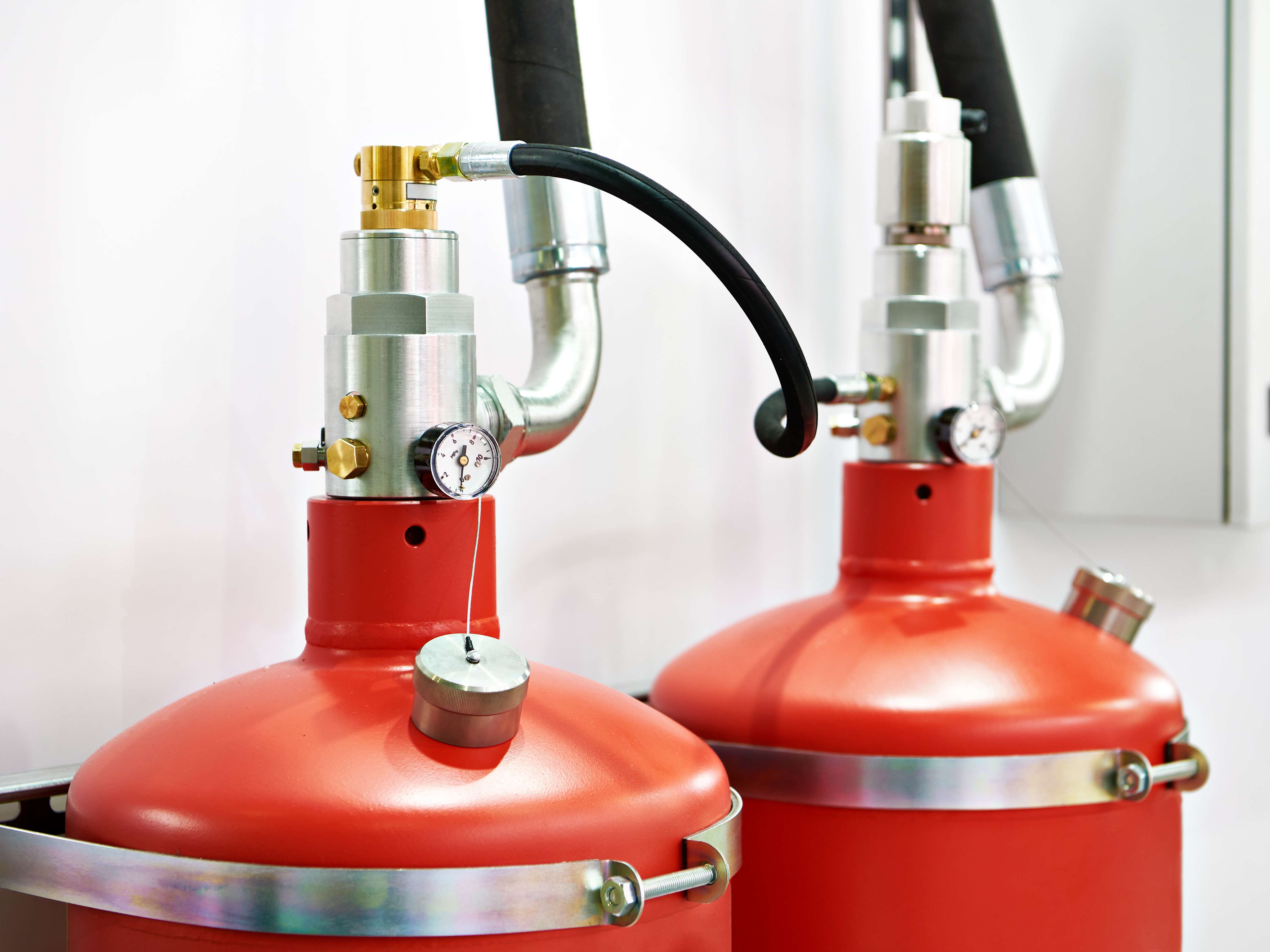
Understanding and navigating compliance standards can be daunting. Let's break down the essentials to keep your kitchen up to code.
Understanding UL 300 Requirements
UL 300 sets the benchmark for commercial kitchen fire suppression systems. It focuses on wet chemical systems specifically for kitchen fires. The primary goal is to ensure systems effectively suppress grease fires. Non-compliance isn't just a risk; it's a liability. By meeting UL 300 standards, you protect your business from potential fines and, more importantly, keep your staff and customers safe. Compliance with these standards isn't optional; it's a necessity for any commercial kitchen.
Navigating NFPA 96 and 17A
NFPA 96 and 17A provide guidelines on ventilation control and fire protection. These standards are vital for maintaining a secure kitchen environment. They cover everything from exhaust cleaning to system maintenance. Many operators overlook these details, but doing so can lead to severe consequences. Regularly updating your knowledge and systems according to these standards is essential. By doing so, you ensure your kitchen operates safely and efficiently, avoiding costly penalties and hazards. For more insights, visit NFPA 96 updates.
Comprehensive Fire Safety Audits
A thorough fire safety audit identifies vulnerabilities in your kitchen. These audits assess everything from equipment placement to emergency protocols. By understanding potential risks, you can address them before they escalate. Most kitchen operators think their setup is foolproof, but audits often reveal overlooked areas. Regular audits are crucial for maintaining high safety standards and ensuring compliance. They offer peace of mind, knowing that your kitchen is prepared for any emergency.
Essential Upgrades and Maintenance
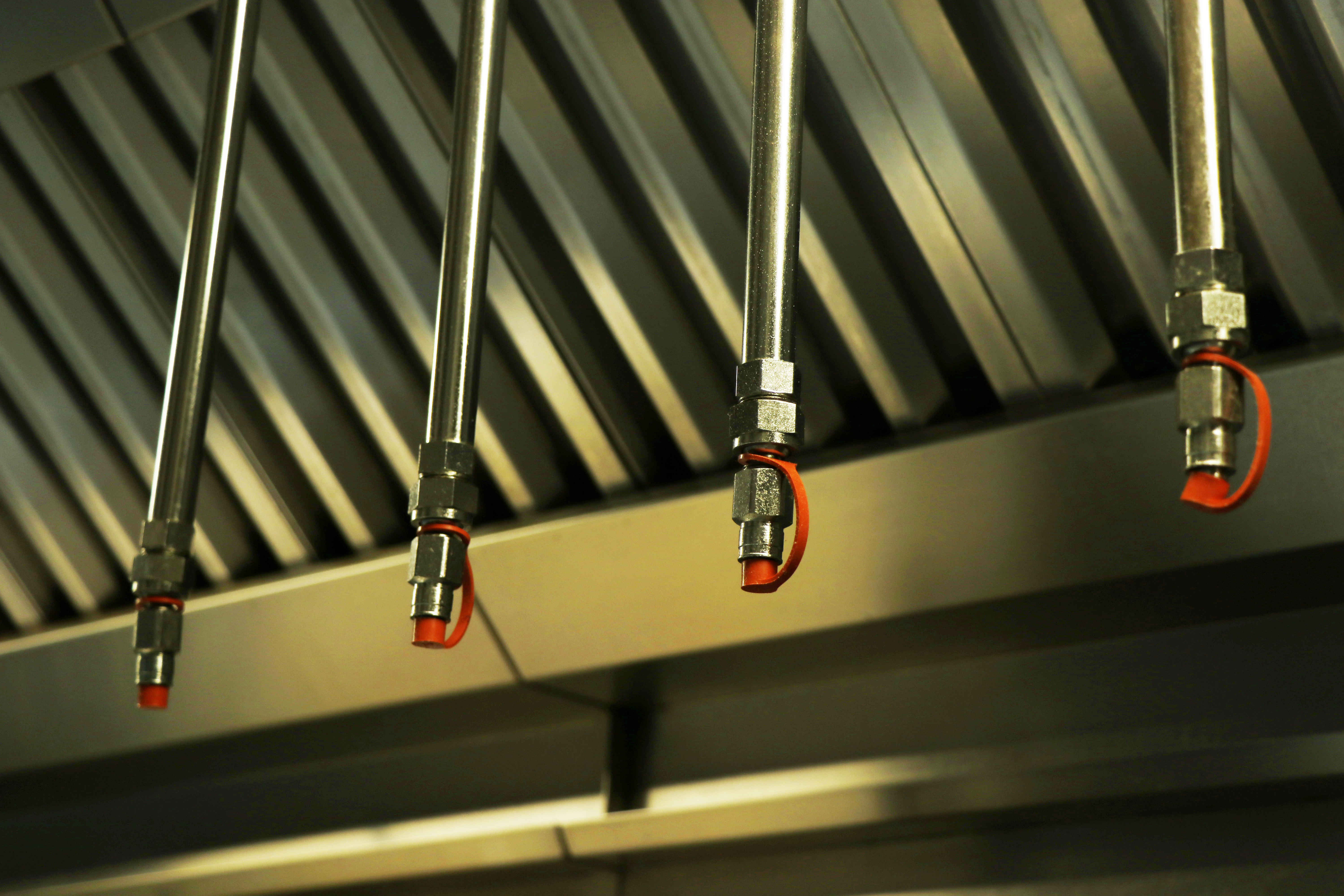
Maintaining a safe kitchen requires ongoing attention. Let's explore key upgrades and maintenance practices that keep your kitchen compliant.
Retrofit Hood Systems
Retrofitting your hood system can significantly improve fire suppression capabilities. Newer systems are more efficient in tackling kitchen fires. They integrate seamlessly with existing setups, offering enhanced protection without major overhauls. Retrofitting ensures your kitchen meets current safety standards while optimizing performance. It's a smart investment in your kitchen's safety and compliance. This proactive step can prevent potential hazards and costly downtime.
Regular Fire Suppression Inspections
Routine inspections are non-negotiable for maintaining compliance. They ensure your system functions correctly and addresses any issues promptly. Regular checks reduce the risk of system failures during an emergency. By scheduling inspections, you demonstrate a commitment to safety, reassuring staff and patrons alike. Inspections might seem like a chore, but they are vital for a reliable fire suppression system. Consistent evaluations ensure your kitchen remains a safe space for everyone.
Efficient Kitchen Exhaust Cleaning
Keeping your kitchen exhaust clean is crucial for preventing grease buildup, a leading cause of kitchen fires. Regular cleaning reduces this risk, ensuring your kitchen remains safe and compliant. Many assume occasional cleaning is enough, but frequent maintenance is necessary for optimal safety. Consistent cleaning not only protects your kitchen but also extends the life of your equipment. It's a simple yet effective way to ensure your kitchen operates safely and efficiently. For comprehensive guidelines on exhaust cleaning, explore kitchen hood cleaning NFPA 96.
In conclusion, staying informed and proactive about fire suppression technology and compliance is essential for any commercial kitchen. By implementing these trends and practices, you safeguard your business, employees, and customers. Remember, the longer you wait to upgrade, the greater the risk. Prioritize safety and compliance today to ensure a secure and efficient kitchen environment.
